Seller Guide · by Aidan Sowa · 2026-10-07
How to Prepare Wellesley Square Historic Demolition Review Records
Connect eligibility, preservation findings, waiver terms and actual permit outcomes before selling.
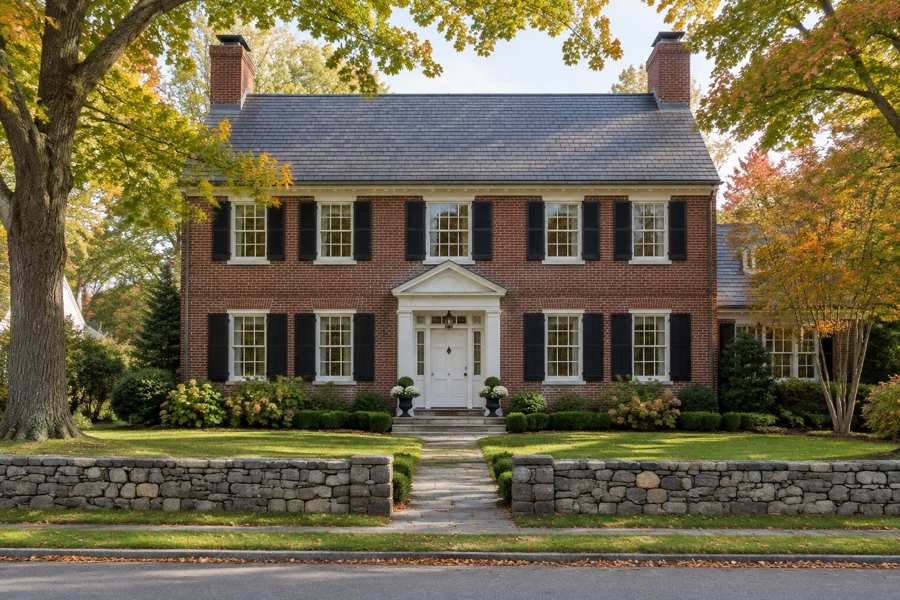
A Wellesley Square seller should preserve the historic-review record before describing a home as ready for demolition or a major exterior change. Construction age, a preservation finding, a waiver and a building permit are different records. Keep the actual authority decisions and project scope together rather than treating a buyer's plan or an old approval as permission to start work.
Wellesley's Demolition Review Bylaw Information page describes a twelve-month delay when an eligible dwelling is determined to be preferably preserved. That is a process outcome under stated conditions, not a claim that every Wellesley Square home faces the delay. This guide uses Town guidance and published documents checked in October two thousand twenty-six to organize a seller file, not to classify a private property or authorize demolition.
Identify the Building and the Responsible Review Pathway
Begin with the actual building, its dwelling history and the applicable review authority. A Wellesley Square address or an attractive older façade does not determine eligibility under the demolition-review bylaw. Local historic districts and neighborhood conservation districts can follow other rules. Keep the authority's written pathway and building identifiers separate from a neighborhood label, real-estate description or unofficial map.
The Town's Demolition Review Bylaw Information page describes dwelling use currently or within the preceding three years and construction on or before the end of nineteen forty-nine. The published bylaw adds that construction 'in whole or in part' can matter. A later assessor date is not, through this guide, proof that every part of the building falls outside review.
Identity sheet: Property, building, known construction records, dwelling-use history, actual review office and written determination. Retain original records and their limits. The published bylaw describes staff using combinations of public records, including assessor, building, deed and newspaper archives, to determine construction date. No single record is declared conclusive for a private home here.
The Town's Neighborhood Preservation page describes a separate Historic District Commission certificate process. The demolition-review bylaw says its provisions do not apply to buildings within the specified local historic or neighborhood conservation districts. That exception is not freedom from all review; it identifies a different pathway requiring its own records.
No parcel was searched, building age verified, historic boundary measured or district status decided through this guide. For example, an old house outside a local district can raise demolition-review questions, while a district building can need exterior review regardless of a seller's demolition-delay assumption. Preserve the actual authority answer instead of choosing the most convenient route.
Retain the Written Eligibility Notice and Its Basis
Keep the eligibility notice, supporting age and use records and the instructions it actually gives. Eligibility is an initial decision about whether this bylaw's process applies, not the Commission's later preservation finding. An application receipt is not the notice, and a seller's date estimate is not the staff determination. Preserve any appeal or corrected notice as part of the same chronology.
Wellesley's published historic demolition-review bylaw says staff make an eligibility determination and send written notice with permissible next steps. It describes a five-business-day initial decision period and a separate appeal process. Those published periods do not prove that a private application was complete, received on a particular date or decided on schedule.
Eligibility file: Date-stamped application acknowledgment, building identifiers, submitted records, notice, stated basis, next steps and any appeal outcome. Preserve the authority's wording. A finding that the building is eligible should not become the seller's phrase 'demolition denied'; a finding that it is not eligible should not become 'all permits approved.'
The Town guidance says the process is intended to occur before a demolition permit application, which requires utility disconnection, and that disconnection is not required before applying for an eligibility notice or preservation determination. This distinguishes planning review from preparing an actual demolition application. Do not disconnect utilities merely to organize a sale record packet.
An older notice should retain its original date and scope rather than being edited to appear current. If the seller has only an application or meeting agenda, keep the notice as not found in that file. No application, appeal, utility action, age determination or eligibility request occurred through this guide.
Match Partial Demolition and Envelopment to Actual Drawings
Preserve the drawings and calculations showing what the proposed project removes or envelops. Wellesley's trigger is based on the existing exterior structure and its defined calculation process, not a casual estimate of floor area. A project described as an addition can still need this analysis. Keep the responsible professional's submission and the authority's actual determination without calculating a private exemption from photographs.
The Town's calculation instructions say removal or envelopment of fifty percent or more of an eligible building's existing exterior surface area triggers compliance. They call for plans or elevations showing the affected portions and calculations for the whole exterior, including the roof. Do not substitute living-area square footage or the cost of the renovation for that source's measure.
The instructions list additions, decks or porches, dormers, bay windows and other partial-demolition or addition projects among the situations requiring calculations. Being on that list does not mean every such project crosses the threshold. It means the actual scope and required submission should be checked rather than assumed from the project label.
Scope file: Existing building, proposed removal, proposed envelopment, dimensioned drawings, calculation method, plan version and authority response. Keep later changes visible. A drawing showing an addition without identifying the existing exterior affected may not answer the historic-review question; preserve that gap for the appropriate professional rather than filling it with a seller estimate.
The main bylaw uses '50% or more', while part of the overview describes 'greater than' fifty percent. This guide follows the bylaw and calculation instructions for the threshold and does not interpret the summary as an exemption at exactly half. No private area was calculated, project designed, threshold finding made or alteration authorized here.
Preserve the Preservation Finding and the Actual Delay Record
Keep the Commission's written preservation determination with the project, hearing materials and any imposed delay. Eligibility does not itself decide whether the dwelling should be preferably preserved. A hearing recommendation is not the final written result. Preserve the actual decision date and any later action instead of promising that every older home is protected forever or that a delay is automatically avoidable.
Wellesley's Demolition Review guidance describes the Commission's historic and architectural criteria, including associations with people or events, architectural importance and specified contextual proximity to a historic district. Those criteria explain review, not a private score for this building. The source uses the phrase 'Preferably Preserved' for the determination that can lead to delay.
The published bylaw starts a twelve-month delay from the preservation determination when the building is found preferably preserved, subject to its waiver provisions. It ties hearing timing to receipt of required documentation and allows mutually agreed continuances. Do not translate an application date or a general monthly meeting schedule into this property's deadline.
Decision chronology: Eligibility, required additional materials, hearing, written determination, actual delay start, continuance if relevant and later written status. Keep the complete notice and reasons. A public agenda showing the item was scheduled does not show what the Commission decided or whether the matter remained open.
The bylaw also has distinct periods concerning validity of preservation determinations. This guide does not calculate a private expiration, determine that an older finding remains usable or give a demolition date. No hearing was requested, preservation assessment made, deadline calculated or written status confirmed for a home. Keep uncertainty visible for the responsible authority and transaction professionals.
Retain Waiver Terms and Approved Plans Without Promising Relief
A waiver request is not a granted waiver, and a reduced delay is not permission for any design. Preserve the written outcome, conditions and approved plans that belong to the actual proposal. Wellesley's process can consider preservation-oriented sale efforts or specified permit conditions, but it does not promise relief because an owner wants to sell or a buyer prefers replacement construction.
The Town's demolition-review page says a waiver can 'reduce the length of the delay or eliminate it entirely' if granted under the described process. The published bylaw permits consideration of bona fide, reasonable and unsuccessful efforts to find a purchaser willing to preserve, rehabilitate or restore, or an agreement to accept a permit under approved conditions.
Waiver file: Application, hearing materials, preservation comments, design response, written decision, conditions and signed or stamped plans where required. Preserve the original scope instead of retaining only a favorable sentence. A marketing record can document an effort without this guide deciding that it meets the Commission's standard or guarantees an outcome.
The Town's Waiver Submission Guidelines is labeled updated in May two thousand twenty-four even though the link's filename refers to an earlier year. It calls for a complete submission and says the Commission is 'unlikely to consider or approve an incomplete submission'. The checklist includes site and building drawings, materials and neighborhood context, with a design response to Commission comments.
The bylaw and Town overview distinguish later changes that substantially alter approved plans from modifications that do not. Keep revisions and the actual authority response rather than making that judgment in a seller advertisement. No waiver application, purchaser search, stamped plan, redesign or condition acceptance occurred through this guide.
Keep Ownership Transfer and Review Timing Questions Visible
Do not assume an active preservation delay or its record transfers unchanged to the next owner. Wellesley's published bylaw has a specific transfer provision when a building has been deemed preferably preserved before the delay expires. Preserve the ownership and decision chronology and obtain the appropriate interpretation for an actual transaction. A sale agreement is not itself a new determination or an extension approval.
The bylaw's transfer provision says the transferee 'must submit a new Application' under the described circumstances and that the existing delay remains while review occurs. If the new review again finds the building preferably preserved, the text describes a new full twelve-month delay from the new determination, with the former period then ending. Do not promise a buyer that only the seller's remaining months apply.
Transfer question file: Actual determination, delay status, proposed transaction timing, existing plans, relevant ownership records and written professional or authority answer. Keep household estate details and unrelated financial information out of a broadly shared packet. A limited property-record handoff should not disclose more than the recipient needs.
The published provision contains an estate-planning exception and a detailed change-of-control definition. Those terms need actual facts and appropriate review; a company purchase or partial transfer should not be labeled outside the provision solely because the visible deed wording is unchanged. This guide makes no private legal conclusion about any transfer.
For example, a seller and buyer can agree on a closing date while still needing to resolve the review consequence of that transfer. Preserve the unanswered question rather than rewriting the approval as transferable. No deed was reviewed, ownership classified, application submitted, closing commitment made or private transfer deadline calculated here.
Connect Historic Review With Building and District Results
Keep historic-review decisions separate from issued permits and actual construction results. A preservation determination or waiver does not complete building, plumbing, electrical or other applicable review. Local historic district certificates also belong to a different authority and scope. Match the actual project to each relevant decision and result instead of describing a complete permit history from one favorable document.
Wellesley's Building Department page describes inspection of building construction, electrical wiring, plumbing and fuel-gas systems alongside enforcement of applicable Town and zoning rules. Its current page lists the department at Worcester Street, while the demolition packet titled two thousand twenty describes older Town Hall location and contacts. This guide does not use that old packet as a current appointment or routing instruction.
The Town's Neighborhood Preservation page says exterior work in a historic district needs an applicable certificate before proceeding. Its Historic District Commission page describes the exterior-review role, distinct from the Historical Commission's demolition-review role. The Town's Districts page notes that no Historic District Commission review is required for interior changes; that is not an exemption from building permits or other applicable rules.
Project outcome file: Historic pathway, approved plan version, actual issued permit, related trade permits, correction notices, inspections and any recorded final or occupancy result that applies. Keep each authority's scope visible. A demolition waiver should not be presented as the Building Department's issued demolition permit.
The Town's Report of Permits Issued page publishes annual lists. An issued-permit list does not by itself show every inspection or final outcome, and absence from a selected year is not proof that no older permit exists. No private permit search, certificate request, inspection booking or construction evaluation occurred through this guide.
Compare the Evidence Before Describing a Sale as Demolition Ready
Build one index connecting eligibility, project scope, preservation findings, waiver conditions, timing questions and actual permit outcomes. Make the limits of each record visible before comparing sale terms. A useful seller packet does not certify demolition readiness or grant a future buyer's design. Preserve missing documents and use actual written authority results rather than an optimistic summary.
The Town's main demolition-review guidance, published bylaw, calculation instructions and waiver guidelines describe separate stages. The district and Building Department pages explain other review roles. Keep those sources distinct in the packet. A finding that a project falls outside this particular demolition-review process does not mean all exterior, zoning or building approvals are unnecessary.
Record index: Title, date, building or property match, issuing authority, submitted scope, actual result, condition and open question. Preserve original limitations and versions. If a seller has an invoice but no permit result, say what the invoice documents rather than claiming that government approval was granted.
No private building classification, area calculation, review application, waiver, ownership decision, permit, inspection, demolition or payment occurred through this guide. Share only the records intended for the transaction. Compare actual written proposals while leaving unresolved technical and legal questions visible for the responsible professionals.
| Record | What it supports | What it does not prove alone |
|---|---|---|
| Age and use evidence | Inputs to eligibility review | Staff final determination |
| Eligibility notice | Stated initial review pathway | Preservation outcome |
| Plans and calculations | Submitted exterior scope | Authority approval by themselves |
| Preservation determination | Actual finding and delay | Issued demolition permit |
| Waiver and approved plans | Its stated relief and conditions | Any later design approved |
| Transfer response | Actual transaction-specific guidance | Universal transfer rule exemption |
| Permit and inspection results | Their recorded project outcomes | All future development permitted |
Frequently Asked Questions
These questions follow Wellesley's demolition-review guidance, published bylaw, calculation instructions, waiver checklist and distinct historic-district and building pages. They separate age and use evidence, project scope, review decisions and actual permits. No answer classifies a private home, calculates its delay, interprets a particular ownership transfer or authorizes demolition.
Does an older Wellesley Square house automatically face delay?
No, the actual eligibility and preservation process matters. Preserve written authority findings instead of a neighborhood assumption.
Does a later assessor year exclude every older building part?
Not necessarily, because the published bylaw refers to construction in whole or in part. Keep the actual eligibility determination and its evidence.
Is the threshold based on living area?
No, Town instructions use existing exterior surface area and the defined removal or envelopment calculation. Preserve dimensioned plans and the actual review result.
Does exactly half escape the review trigger?
The bylaw and calculation instructions say fifty percent or more. Do not interpret a looser overview phrase as a private exemption.
Is eligibility the same as preferably preserved?
No, they are separate determinations. Keep the later Commission notice with the initial eligibility record.
Does a waiver request guarantee a shorter delay?
No, the Commission must decide under the stated process. Preserve its written result, conditions and approved plans.
Can a buyer assume the seller delay simply continues unchanged?
No, the published bylaw includes a new-application provision for specified transfers during an active delay. Resolve the actual transaction facts with the responsible authority and professionals.
Are Historical and Historic District Commission records interchangeable?
No, the Town describes different roles and review pathways. Keep the appropriate decision or certificate with the actual project.
Does a direct sale grant demolition permission?
No, a purchase process issues no historic determination or building permit. Compare written terms while preserving approval gaps.
How Maison Off-Market Fits a Historic Review Handoff
Maison Off-Market offers a direct-purchase route to compare after historic-review records are organized. Its public process assesses the home and land and may lead to an offer if the property fits. That assessment does not decide eligibility, shorten a preservation delay or issue a demolition permit. Keep actual written sale terms and unresolved review questions separate from published service claims.
Maison Off-Market's public site describes privacy without showings, no commissions or closing costs, and skipping buyer inspections and related repair requests. Those are published service claims, not a private Wellesley Square offer or proof of demolition readiness. Its process says 'If it fits' before describing an offer, so no purchase is guaranteed here.
Compare written terms: Preserve the eligibility notice, preservation finding, waiver scope, transfer questions and actual permit results while weighing a direct proposal against other sale routes. Skipping buyer repair requests does not remove public requirements or create relief from a delay. This guide promises neither a purchase, a waiver, a transferable determination nor a fixed redevelopment outcome.
Compare your options before committing. Request a written private offer for your property, with no obligation, then weigh it against your listing plan.
Sources
- Town of Wellesley, Checked October2026. Demolition Review Bylaw Information. https://wellesleyma.gov/270/Demolition-Review-Bylaw-Information.
- Town of Wellesley, Checked October2026. Historic Preservation Demolition Review Bylaw. https://www.wellesleyma.gov/DocumentCenter/View/7432/Article-46C---Historic-Preservation-Demolition-Review-PDF.
- Town of Wellesley, Checked October2026. Calculation Instructions. https://wellesleyma.gov/DocumentCenter/View/36913/Demolition--Envelopment-Calculation-Instructions-.
- Town of Wellesley, Checked October2026. Waiver Guidelines - updated May2024. https://wellesleyma.gov/DocumentCenter/View/39005/WHC-Waiver-Submission-Guidelines-2023.
- Town of Wellesley, Checked October2026. Neighborhood Preservation. https://www.wellesleyma.gov/700/Neighborhood-Preservation.
- Town of Wellesley, Checked October2026. Historical Commission. https://wellesleyma.gov/689/Historical-Commission.
- Town of Wellesley, Checked October2026. Historic District Commission. https://wellesleyma.gov/388/Historic-District-Commission.
- Town of Wellesley, Checked October2026. Districts. https://wellesleyma.gov/401/Districts.
- Town of Wellesley, Checked October2026. Building Department. https://wellesleyma.gov/161/Building.
- Town of Wellesley, Checked October2026. Report of Permits Issued. https://wellesleyma.gov/168/Report-of-Permits-Issued.
- Town of Wellesley, Checked October2026. Demolition Packet - dated2020. https://wellesleyma.gov/DocumentCenter/View/18472/BLD002---Demolition-Packet-2020.
- Maison Off-Market, Checked October2026. Public Process. https://bulkscaler.com/.
Related research
Seller Guide · 2026-10-08
How to Prepare Bloomfield Hills Tree and Woodland Sale Records
Separate tree approvals, replacement duties and wetland limits before selling wooded property.

Seller Guide · 2026-10-07
How to Prepare Georgetown Historic Exterior Sale Records
Separate historic design approval, building permits and actual exterior work before selling.
Seller Guide · 2026-10-07
How to Prepare Tenafly Tree Permit Sale Records
Connect tree removal approvals, mitigation planting and accepted inspections before promising landscape changes.