Seller Guide · by Aidan Sowa · 2026-10-07
How to Prepare Tenafly Tree Permit Sale Records
Connect tree removal approvals, mitigation planting and accepted inspections before promising landscape changes.
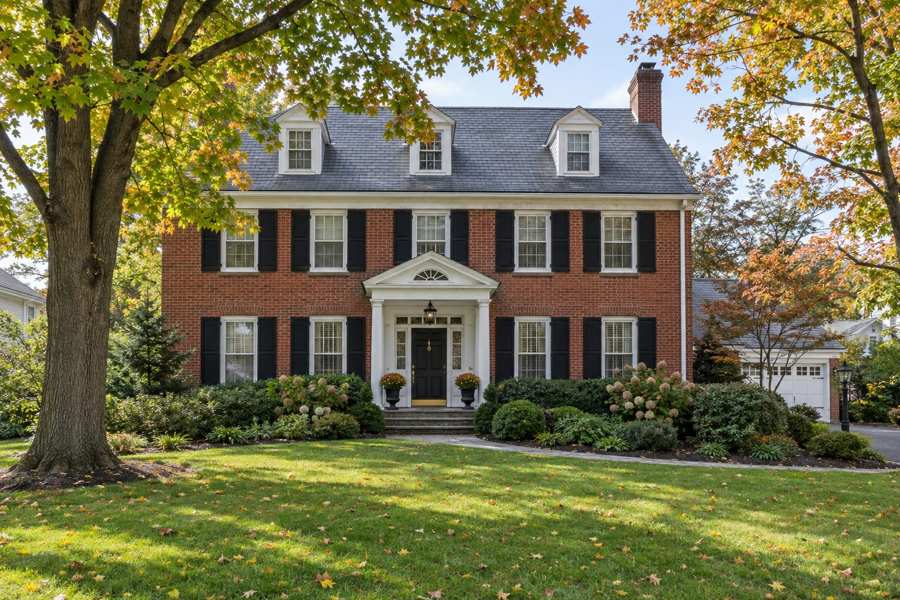
A Tenafly seller should show which trees were authorized for removal and which replacement obligations remain before promising an open yard, pool site or addition. The Borough's posted tree code counts twenty or more live trees applied for removal within twenty-four months toward its cumulative major-permit trigger. Splitting requests does not automatically make a major removal history a series of unrelated minor permits.
This guide explains how to connect the actual lot, tree plans, borough decisions, mitigation planting, inspection outcomes and bond records. It also separates municipal approval from professional tree assessments and state land-use requirements. No private property, tree, permit, title or bond was investigated. Preserve unresolved questions instead of treating a contractor receipt or a landscaped yard as proof every public obligation is complete.
What a Tree Permit Record Establishes
A tree permit file links an identified lot and specific trees to the approved removal scope, mitigation requirements and later accepted outcomes. A contractor invoice records work, not the entire municipal decision. A planted replacement may still have inspection or survival obligations. Keep the application, approved plan, issued permit and public follow-up separate so the buyer can see what is complete and what remains.
Tenafly's Tree Removal and Protection page directs owners to the Department of Public Works to determine whether a permit is required. Its Preservation and Protection page says tree removal permits are issued by that department. Those pages are starting points for the actual office route, not findings about the trees on a particular estate. Recover the original records and match their lot and block to the sale property.
The Borough's posted Chapter Twenty-Six is titled "Tree Removal and Protection Regulations" and describes both removal and protection of retained trees. Its purpose includes soil stabilization, reduced stormwater runoff and preservation of the Borough's appearance. A seller should therefore avoid reducing the file to a count of stumps. Records about protection during construction and required planting may matter even after the removal contractor has been paid.
Example: A file contains an application showing six trees, a permit approving four and a receipt saying tree work was completed. Preserve all three. Identify the approved tree labels, any conditions and the actual work reported, then seek the office's accepted follow-up. Do not combine the application count and contractor description into an unsupported statement that every requested removal was approved. A dated one-page index makes this distinction visible without replacing the original records.
How Tree Size Location and Project Scope Work
Identify the tree size, measurement method, lot zoning, buffer location and reason for removal before selecting a permit path. Tenafly distinguishes ordinary removal, construction-related removal, boundary buffers, landmark trees and public street trees. A postal address or lawn edge does not settle ownership. Use the actual survey, tree assessment and borough records before promising that a smaller tree or planned improvement avoids review.
The posted code generally requires a permit for removal of a tree with a caliper of six inches or greater, measured at four and one-half feet above ground, or for site clearing. It also addresses removal for construction or contemplated construction of specified improvements requiring construction or zoning permits. The six-inch provision should not be turned into blanket permission to clear smaller trees for every project. Preserve the actual project and ask the Borough which provision applies.
The code defines side and rear buffer widths by zoning district: five feet in the listed smaller-lot districts, ten feet in the listed intermediate district and twenty feet in the listed larger-lot district. Trees in that buffer have a stated permit and mitigation path. Confirm the actual zoning, property boundary and tree location before using any buffer width. A fence, hedge or driveway edge is not a substitute for surveyed ownership.
Scope file: Lot and block, legal description, survey, tree labels, species, measured sizes, condition, zoning, structures, proposed work and prior approvals. Chapter Twenty-Six defines home improvement but expressly excludes swimming pools and tennis courts from that definition. Do not assume an estate's pool project uses the same mitigation category as a qualifying home improvement. A landmark tree also has a separate Mayor and Council approval requirement. Have the responsible office confirm the actual category instead of using a landscaping label to choose the least restrictive path.
Why Prior Applications and Neighbor Records Matter
Recover the complete application history, including amendments, and connect it to current ownership and the actual lot. Tenafly counts cumulative requested removals over a stated period when deciding minor or major permit eligibility. Boundary-tree notice and consent have distinct requirements. A neighbor notification, a survey and written consent answer different questions; retain each where applicable rather than assuming a removal permit settles private ownership.
The code defines a major application as twenty or more trees from a single lot and a minor application as fewer than twenty. Its cumulative provision looks at trees the applicant has applied to remove, including amendments, during twenty-four months, and specifies the threshold for live trees. The measure is not simply the number a contractor removed last week. Ask Public Works how the full application history is treated for the actual file and applicant.
Chapter Twenty-Six requires neighbor notification where the Director determines a tree is in the buffer or close to the boundary, with written evidence at application. Where a tree is shown on a survey plan on the property line, it calls for "written consent" from the adjacent owner. It also describes an objection period and Borough investigation. Notification alone is not the same as consent to remove a boundary tree, and a past conversation should not be rewritten as documented approval.
Recover history: Original applications, revised plans, amendments, issued permits, neighbor notices, proof of service or contact, written boundary consent, objections and the Borough's response. For example, a seller might have two minor-looking applications separated by a year. Preserve both and let the receiving office determine the actual cumulative treatment. Do not erase one from the handoff because the current contractor saw only the later permit. If a boundary is disputed or consent cannot be recovered, state that gap and ask the survey and legal professionals to resolve it before promising removal rights.
Match the Approved Plan to Removal and Mitigation
Use the approved tree labels and project category to connect removal work to required replacement planting. Tenafly's mitigation schedules depend on tree size and project type, with conditions and exceptions. Do not substitute a universal one-for-one rule or an informal donation. Preserve any accepted alternative, planting plan and required species or size so the buyer sees the actual remaining obligation.
The code's application procedure describes different plan submissions for development, construction and buffer removal. The development path calls for a scaled removal plan prepared, signed and sealed by a licensed engineer or land surveyor, with listed information. It also calls for a mitigation plan where required and an inventory explaining condition and reasons for removal. Do not say every permit has the identical submission requirements; recover the actual path and accepted plan.
The posted mitigation schedules distinguish qualifying home improvement from development that does not qualify. For example, the home-improvement table identifies one minor replacement for its smallest listed size band, while larger bands require more major trees. A separate development table has different bands and ratios. These examples explain why category and measured caliper matter, not how many replacements any private property owes. Preserve the Borough's actual calculation, planting sizes and approved locations rather than inventing a total from a photograph.
Chapter Twenty-Six allows a payment-in-lieu route only with the stated agreement and amount determination, and certain substitutions require the Director's approval. Its editor's note says a former donation provision was repealed. Mitigation file: Approved calculation, plan, planting species and sizes, nursery records, installation dates, accepted alternatives, written agency conditions and inspections. A charitable receipt or unapproved tree purchase does not establish that the Borough accepted an alternative. Keep dead-or-hazardous assessment conditions separate too: a fee waiver, removal justification and mitigation exception are not automatically the same outcome.
Track Inspection Bond and Survival Outcomes
Preserve planting completion, the request for inspection, the Borough's accepted result and bond disposition as separate events. A bond receipt or planted tree does not alone prove the obligation ended. Tenafly also addresses deadlines and later replacement where protected or mitigation trees die. Record the actual trigger dates and approved extensions rather than assuming closing transfers or cancels every outstanding condition.
Chapter Twenty-Six calls for a mitigation cash bond before permit issuance where mitigation is required. The posted amounts are four hundred fifty dollars per major tree and two hundred fifty dollars per minor tree. These are bond amounts in that provision, not a project price or guaranteed automatic refund. Preserve the posted bond receipt, relevant permit, any release request and the office's actual disposition. Do not say the bond was returned merely because the seller believes the planting was finished.
The code directs the applicant to contact Public Works within forty-eight hours after required planting is completed to schedule inspection. Its timing section refers to planting within six months after the earlier specified project completion or certificate event, with written extension paths. Recover actual dates and any granted extension. A request for more time is not an approved extension, and an inspection appointment is not a passed inspection. Keep the result itself.
The protection section says a tree saved in connection with construction or planted in mitigation that dies within two years is to be replaced within six months. Confirm the actual application to retained and planted trees with Public Works. Example: Replacement planting was inspected before a sale, but the file still needs the planting date and survival condition for the buyer. Record the facts without assigning unverified legal liability between seller and buyer. Have the transaction professional address the actual permit and agreement, and keep known failed trees and outstanding work visible rather than treating an earlier inspection as a lifetime release.
Separate Professional Evidence and Other Approvals
Verify the tree professional's credentials and service scope, then separate the assessment from municipal and state authorization. A registered removal business and a licensed expert do not issue borough permits. Tree work near regulated water, wetlands or protected areas may involve separate state review. Keep existing-tree protection, public right-of-way issues and land-use approvals visible before describing the site as ready for unrestricted clearing.
The New Jersey Board of Tree Experts consumer page says tree-care businesses must be registered and employ the relevant licensed professional for their offered services. Its licensing page distinguishes Licensed Tree Expert services, including consulting, diagnosis and risk assessment, from the Licensed Tree Care Operator service scope. Tenafly's posted code defines its tree specialist as a certified or licensed tree expert. Verify the professional required for the actual certification instead of assuming any removal operator can supply every opinion.
The Board's Benefits of Hiring a Registered Business page describes business registration and insurance requirements. Its Information for Businesses page says tree-care services for hire require biennial registration. Preserve the current business registration, relevant individual license, insurance evidence and written scope. An old logo, general business license or pesticide credential should not be substituted for the required tree-care credentials. Credentials also do not prove the Borough accepted the assessment for this tree.
NJDEP's Permit Applicability page asks owners to determine whether their site contains regulated areas before proposed work. Its FAQ says mapping is "guidance only" and does not precisely delineate boundaries; a wetlands Letter of Interpretation is not a construction permit. Some maintenance has conditions, but do not turn an exception into universal clearing rights. The Borough code separately says removal cannot proceed where prohibited by other laws. Public street-tree removal and protection of retained roots also need attention. Preserve any applicable state decision and actual project approval, and ask qualified professionals about regulated areas rather than declaring none from an empty map.
Compare Evidence Cost and What Remains
Compare the removal permit, professional assessment, planting evidence, accepted inspection, bond record and other agency approvals by the question each answers. Use posted fee schedules only within their stated scope and date. Project costs still depend on actual work and conditions. The comparison helps choose what to recover next, not estimate a universal tree-removal budget or certify a private estate.
The posted Chapter Twenty-Six fee schedule identifies twenty-five dollars for one tree, higher count-based fees and seventy-five dollars for review of a proposed revision or amendment. It includes a conditional fee waiver for a certified dead or hazardous tree in the buffer. The permit fee is not the contractor charge, mitigation planting, bond, professional report or state review cost. Confirm current fees for the actual application before relying on a total.
The Borough's tree permit form is marked revised September two thousand twenty-one, while the code fee provision shows a September two thousand twenty-four amendment. Preserve document dates and use the current office and code to confirm amounts or instructions that differ. An older form still helps identify expected information; it should not silently overrule a newer posted fee schedule or permit condition.
Tenafly's Citizen Services Portal describes construction and zoning search functions and inspection requests. That does not establish that every tree permit or older Public Works file appears in the construction database. Ask the correct department for missing records. Cost file: Office-confirmed fees, written contractor scope, professional report price, mitigation estimate, bond receipt and any approved alternative amount. Keep paid work separate from accepted work and uncertain totals visible. No service was ordered or quote obtained for a private property in preparing this guide.
| Record | Cost evidence | Best use | Limitation |
|---|---|---|---|
| Borough removal permit | Current count-based fee and office confirmation | Shows authorized trees and conditions | Application alone is not approval |
| Expert tree assessment | Written professional scope and quote | Explains condition and removal basis | Does not issue the permit |
| Mitigation planting file | Actual nursery and installation costs | Matches planting to accepted plan | Purchase receipt alone is not inspection |
| Inspection and bond outcome | Posted bond and actual disposition | Shows agency follow-up status | Posting a bond does not prove release |
| State or other land-use decision | Project-specific fees and professional advice | Addresses separate regulated scope | Borough approval does not replace it |
Choose a Clear Buyer Handoff
Give the buyer original approvals and a short index describing each tree decision, work event, mitigation condition and accepted outcome. Separate known completion from owner-reported work and missing evidence. Confirm open obligations with Public Works and the transaction professional before promising future landscape changes. The same accurate record file belongs with either a conventional listing or a written direct-purchase proposal.
Ready file: Correct lot and block, survey, approved tree labels, issued permits, amendments, accepted mitigation plan, neighbor records where relevant, contractor and expert evidence, planting dates, inspection results and actual bond outcome. Tenafly's Building Department lists tree removals, soil movement, stormwater, zoning and construction as separate regulated subjects. Keep them connected to the actual project without suggesting one permit automatically completes every review.
Unresolved file: Missing permit, inconsistent tree count, uncertain buffer location, unrecovered boundary consent, incomplete planting, pending inspection, failed replacement, missing bond decision or unconfirmed state scope. Write the missing item and the office or professional needed to answer it. For example, say that mitigation inspection is pending instead of calling a photographed newly planted tree accepted. State that a buyer's planned pool needs separate review rather than describing a cleared area as a buildable pool pad.
Compare sale routes using written purchase terms about access, inspections, repairs, timing, contingencies and costs. Neither a quick closing nor an as-is description is a tree removal authorization or release of an actual condition. A useful handoff explains what the records show today and what remains unanswered. It does not promise that a buyer can clear the lot, keep a returned bond, alter a public street tree or ignore retained-tree protection. Use the original records and qualified answers to support any claim that matters to the buyer's intended use.
Frequently Asked Questions
These questions use Tenafly's posted tree code, Public Works guidance, permit form and building information; New Jersey tree-professional requirements; and NJDEP land-use guidance. They separate removal approval, mitigation, inspection, bond and professional evidence. Confirm the actual lot, project category and current agency requirements before promising a complete handoff. No private tree condition, permit, boundary, regulated area or bond was evaluated.
Does every tree under six inches avoid review?
No, construction-related removal and site-clearing provisions have separate scope. Ask Public Works about the actual project.
Does one small application prove the history is minor?
No, the code has a cumulative twenty-four-month calculation. Preserve prior applications and amendments.
Is a swimming pool automatically a home improvement for mitigation?
No, the code excludes pools from that definition. Confirm the actual category before calculating replacements.
Does neighbor notification equal consent to remove a boundary tree?
No, the code separately requires written consent for a surveyed property-line tree. Preserve the actual notice and consent records.
Does a dead tree automatically avoid every permit and planting duty?
No, fee and mitigation provisions have stated conditions. Obtain the required assessment and Borough determination.
Does a nursery receipt prove mitigation passed inspection?
No, connect planting to the approved plan and public result. An inspection request is not acceptance.
Does posting a cash bond mean it was returned?
No, preserve the actual bond disposition. Confirm outstanding conditions with Public Works.
Does a borough permit replace state wetlands review?
No, state authorization has separate scope. A map or wetlands interpretation is not universal construction approval.
Can a direct purchase authorize later tree clearing?
No, purchase terms do not issue tree permits. Preserve the actual approvals and unresolved obligations.
How Maison Off-Market Fits a Tree Record Handoff
Maison Off-Market offers a direct purchase route to compare once tree permits and mitigation records are organized. Its process assesses the home and land and may lead to an offer if the property fits. That assessment is not a tree diagnosis, borough approval or bond release. Keep missing records and actual public conditions visible alongside the written purchase terms.
Maison Off-Market's live hosted process says "We assess the home and the land" and "If it fits" before describing an offer. These purchase-process statements do not certify a Tenafly tree inventory or determine a mitigation obligation. Preserve the real file when comparing a direct proposal.
Compare written terms: The hosted site describes no showings, commissions, closing costs or seller repair work, while retaining applicable-law and written-terms conditions for inspections and disclosures. A direct purchase does not cancel a planting obligation or authorize the buyer's later clearing plan. Compare the actual proposal without presenting convenience as Borough acceptance.
Compare your options before committing. Request a written private offer for your property, with no obligation, then weigh it against your listing plan.
Sources
- Borough of Tenafly, Checked October 2026. Chapter Twenty-Six Trees. https://ecode360.com/36195735.
- Borough of Tenafly, Checked October 2026. Tree Removal and Protection. https://www.tenaflynj.gov/172/Tree-Removal-Protection.
- Borough of Tenafly, Checked October 2026. Preservation and Protection of Trees. https://www.tenaflynj.gov/192/Preservation-Protection-of-Trees.
- Borough of Tenafly, Checked October 2026. Tree Removal Permit Form. https://www.tenaflynj.gov/DocumentCenter/View/884/Tree-Removal-Permit-Form.
- Borough of Tenafly, Checked October 2026. Citizen Services Portal. https://tenaflynj.portal.fasttrackgov.com/Common/ApplicationLinks.aspx.
- Borough of Tenafly, Checked October 2026. Building Department. https://www.tenaflynj.gov/164/Building-Department.
- New Jersey Board of Tree Experts, Checked October 2026. Licensing of Tree Experts and Tree Care Operators. https://www.nj.gov/njbte/licensing/licensing/licensing-te-teo/.
- New Jersey Board of Tree Experts, Checked October 2026. What Consumers Should Look For. https://www.nj.gov/njbte/consumers/what-consumers-should-look-for/.
- New Jersey Board of Tree Experts, Checked October 2026. Benefits of Hiring a Registered Business. https://www.nj.gov/njbte/consumers/benefits-of-hiring-a-registered-business/.
- New Jersey Board of Tree Experts, Checked October 2026. Information for Businesses. https://www.nj.gov/njbte/operators/information-for-businesses/.
- NJDEP, Checked October 2026. Permit Applicability. https://dep.nj.gov/wlm/lrp/permit-applicability/.
- NJDEP, Checked October 2026. Land Resource Protection FAQ. https://dep.nj.gov/wlm/lrp/faq/.
- NJDEP, Checked October 2026. Wetlands. https://dep.nj.gov/wlm/lrp/wetlands/.
- Maison Off-Market, Browser checked October 2026. Current Hosted Process. https://files.instinct.com/zp8jmzhzb6oc-luxury-off-market-buyer-website.
Related research
Seller Guide · 2026-10-08
How to Prepare Bloomfield Hills Tree and Woodland Sale Records
Separate tree approvals, replacement duties and wetland limits before selling wooded property.

Seller Guide · 2026-10-07
How to Prepare Georgetown Historic Exterior Sale Records
Separate historic design approval, building permits and actual exterior work before selling.

Seller Guide · 2026-10-07
How to Prepare Santa Barbara Wildfire Sale Records
Separate defensible space documentation, home hardening disclosure and local fire requirements before selling.