Seller Guide · by Aidan Sowa · October 6, 2026
How to Prepare The Nations HPR and Shared Property Records Before Selling
Separate recorded ownership, shared duties and construction approvals before comparing sale terms.
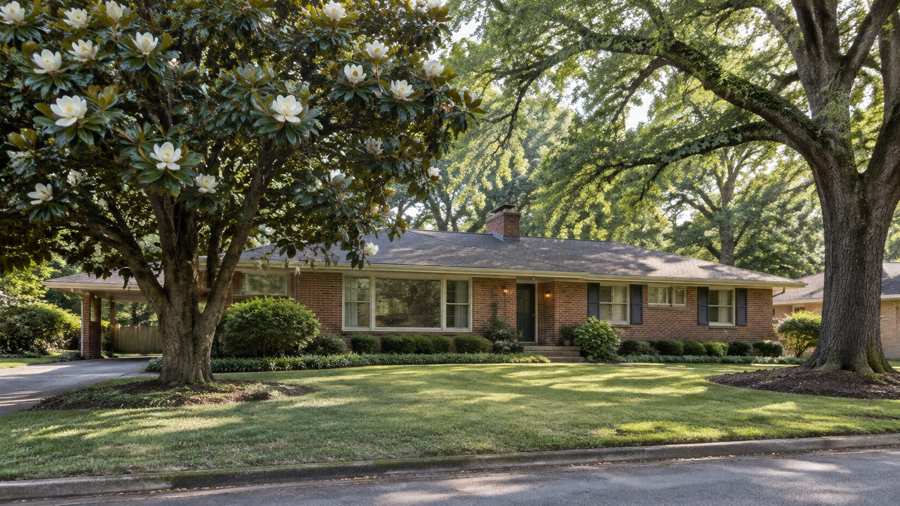
A seller in The Nations may describe a home as detached, a tall-and-skinny or part of an HPR. Those descriptions do not establish which land, driveway, yard or maintenance duties transfer with the unit. Recover the recorded ownership documents and construction history before telling a buyer that the property works like an ordinary separately platted house.
Metro Nashville's Building Permit Process page says approximately 240,000 parcels exist across Nashville and Davidson County. That countywide figure is not a Nations housing count or an HPR share. It is a reminder to identify the actual parcel and unit rather than using a neighborhood label as a substitute for the ownership and approval records.
This guide explains a seller handoff for an existing horizontal property regime, commonly shortened to HPR. It covers governing documents, shared access and maintenance, association information, insurance and permit closeout. It does not assume every Nations home is an HPR, interpret a private deed or promise lender approval. Ownership structure, zoning permission and completed construction remain separate questions.
What an HPR Record File Needs to Establish
An HPR file needs to identify the unit being sold, the recorded ownership framework and the shared rights and duties that accompany it. Recover the deed, governing declaration or master deed, exhibits, plans and amendments together. Detached appearance alone does not answer those questions. Neither does a tax entry, listing description or neighbor's understanding of how the property operates.
The Davidson County Register of Deeds' Document Codes page distinguishes "Master Deed" from "Master Deed Declaration of Condominium". Those labels are useful search leads, not legal conclusions about a specific property. Start with the seller's deed and the recording references it gives, then ask the closing attorney or title company which associated records and later amendments belong in the file.
The Tennessee Legislature's enacted Public Chapter 766 describes condominium ownership through separately owned portions and common ownership by unit owners. It also distinguishes allocated interests, common expense liability and voting rights. Use that official enactment as background to the record types, not as a ruling that every locally labeled HPR has the same boundaries, shares or current statutory treatment.
Identity sheet: Record the street address, unit designation, parcel reference, legal owner and document recording references. A nearby unit with a similar address may have a different private area or share. Keep the identity sheet attached to every survey, insurance document, invoice and permit so that evidence about one home is not quietly applied to the other.
Create separate folders for title and governing documents, shared operations and finances, and public approvals. Add a dated gap list. That structure keeps a paid contractor invoice from being mistaken for a recorded right, and a building permit from being mistaken for the governing ownership agreement. Mark an unavailable document as missing rather than inventing a rule from past practice.
How to Recover the Recorded Documents and Amendments
Recover the complete recorded document chain, including exhibits and later changes, rather than relying on an unsigned formation draft. Search using exact recording references and the actual parties and property. Ask a title professional to determine which instruments govern. A recorded copy proves what was filed; it does not by itself prove clear title, physical boundaries or that every agreement is enforceable.
The Register of Deeds' Get Copies of Davidson County Deeds Documents page explains in-person and mailed copy routes. For a document other than a property deed, it asks for as much identifying information as possible. Supply the known instrument reference, parties, property and document type so that the request can target the master deed or declaration, amendments and relevant exhibits rather than stopping at the purchase deed.
The Register's Frequently Asked Questions says online records are available by subscription and explains that determining whether liens exist requires a title search, usually by an attorney or title company. Its Online Subscription Services page is an access route, not evidence that a seller can obtain every document through a free public search. Do not describe an office index or copied deed as a completed title review.
The Register's posted Tennessee Code Sections recording guide points to both declaration and master-deed statutes. The Legislature's Public Chapter 766 includes an applicability framework separating newer condominiums from older regimes and allowing some older documents to be amended into a newer framework. Have counsel check formation history and current law instead of choosing an act solely from the words HPR on the listing.
Completeness check: Confirm all pages, attached plats or plans, referenced bylaws and recorded amendments are present and legible. Preserve the recording date and source of each copy. If an owner's old closing folder differs from a newer recorded amendment, flag the difference for title review. Do not splice competing versions into a new unofficial document or call an unrecorded draft the controlling agreement.
Why Shared Access and Yard Boundaries Need More Than a Fence
Identify access, parking, yards and shared facilities from the governing documents and appropriate survey evidence. A fence, paved driveway or long-standing parking habit does not independently establish ownership or exclusive use. Separate private areas, common areas and any limited-use rights, then compare the actual layout with the records. Have unresolved boundary or access questions reviewed before describing the property to a buyer.
The Legislature's Public Chapter 766 distinguishes common and limited common elements and describes allocations in governing documents. That distinction explains why a yard used by one household can still require a closer document review. Do not assume that exclusive-looking use means separate land ownership, or that every driveway in a two-home development is split equally. The actual instrument and legal review matter.
The Register of Deeds' Frequently Asked Questions states that deeds and subdivision plats can describe dimensions, but locating actual lot lines requires a private surveyor. Its office does not provide a property-staking service. A recorded diagram can be important evidence without replacing a current survey where physical boundaries, improvements or access are disputed or unclear.
Access register: List driveways, parking pads, gates, sidewalks, trash storage and any utility access used by more than one unit. For each, identify the governing page or plan, any recorded easement, maintenance responsibility and known change. A neighbor's verbal permission to park should remain described as that conversation, not as a permanent transferable right.
Keep photographs and a simple orientation sketch as supporting material, clearly labeled non-survey documents. If a fence or gate moved, recover the approval or amendment, if any, rather than changing the sketch to suggest the records always matched. Do not promise a buyer the ability to relocate a driveway or expand a yard without the appropriate ownership, association and public review.
How to Organize Shared Maintenance and Association Records
Organize the written maintenance allocation, operating decisions, money history and association contact information separately. Low or absent regular dues do not establish that there are no shared duties or future costs. Recover the actual documents and dated financial information, including known unpaid charges and planned work. Avoid describing a small regime as having no association simply because the owners rarely hold formal meetings.
The Legislature's Public Chapter 766 treats common expense liability and votes as allocated interests. It also describes declaration provisions concerning common areas and administration. Use those distinctions to ask who pays, who decides and which procedure applies, rather than assuming a two-unit arrangement always means equal costs and unanimous decisions. The guide does not calculate a particular owner's share.
Maintenance matrix: Identify the responsible party and recorded basis for driveway repairs, drainage, walls, fences, roofs, insurance and landscape work. List the actual arrangement even when separate structures are maintained individually. If there is no clear written allocation for a shared item, flag it for counsel and association review instead of letting an informal invoice split become a promised permanent rule.
Tennessee Secretary of State's business FAQs explain a certificate of existence and business filing history, including possible administrative dissolution for failure to file required annual reports. If the governing organization is incorporated, match its exact legal identity to the state record. Entity status is not the same as paid assessments, sufficient funds, approved repairs or clear title; it answers an administrative question only.
Recover applicable bylaws, current contacts, budgets or financial statements, assessment notices, relevant minutes and records of pending work or disputes. Ask counsel what sale information and timing rules apply to this regime. Do not import a generic condo deadline without establishing applicability, and do not advertise a fixed annual state filing fee from an old commentary page as the current cost for every organization.
How to Separate Zoning Permission From Recorded Ownership
Keep title structure and public land-use permission in different parts of the file. A recorded HPR document is not a zoning approval, building permit or occupancy letter. Likewise, a permit does not create private driveway rights or settle maintenance duties. Confirm the actual zoning, overlays, approved plans and permit history before promising how the home or another part of the site may be used.
Metro Nashville's Understanding the Zoning Code page explains that property zoning and overlays must be read together, and that a Specific Plan can require reviewing the associated ordinance. Its examples are not determinations about a Nations parcel. Use the actual property information and responsible Metro office to establish the applicable rules rather than borrowing a nearby property's zoning or a developer's standard description.
Metro's Building Permit Process page separates zoning readiness, application review, agency signoffs, permit issuance and later inspections. It says most, but not all, applications need approvals from multiple Metro agencies. That is a process description, not a new instruction for every seller to reapply. For the actual completed project, recover the approvals and scope that were required and issued.
Metro Water Services' July 2026 Single Family Residential Development Guide discusses a scenario where one residence is demolished and two replace it, with separate building applications and utility-capacity review. It helps explain why an HPR project may have related records across more than one application. It does not prove the utility layout, capacity or fee credit for any existing Nations home.
Use check: Separate the recorded unit, permitted structure and proposed buyer use. If an owner added a room, garage conversion, fence or accessory building, locate the applicable approval and final records. Do not assume detached appearance, an HPR formation or an earlier utility signoff authorizes every later change, rental use or expansion. Refer unresolved use questions to the appropriate office and professional.
How to Verify Building and Occupancy Closeout
Locate the actual building permit, related trade permits, inspection results and final use-and-occupancy evidence. Permit issuance, paid fees and a finished-looking home are not the same as construction closeout. Match the records to the correct unit and scope, then identify outstanding items. A final result for original construction does not automatically cover later alterations or certify present physical condition.
Metro's Codes Department Public Records and Information page says ePermits can show construction and trade permits, signoffs, inspection status and property-violation updates. It points to the "Available Reports" tab for related reports and tracking documents, and to the Document of Record Search Portal for plans and permit-related material searchable by permit, address or parcel references. Use each route for its stated purpose.
The same Metro page warns that some records are not automatically posted online and gives a public-records request route for retained files. A no-hit search therefore does not establish that the property never had a permit or violation. Keep the search criteria and pursue the underlying record when the transaction depends on it, rather than calling an incomplete online search a clearance.
Metro's Apply for Use and Occupancy Letter page describes the letter as typically the last step in the building-permit process. It explains checking inspections and related permits before requesting it, with the inspector and contractor determining the necessary inspections for the specific project. That qualification matters: an uncompleted intermediate line is not automatically a failure if the final review resolves the applicable checklist.
Closeout register: Record the parent building permit, related electrical, plumbing and mechanical permits, completed inspections and actual final letter. Metro's Building Permit Process describes separate trade permits and obtaining the final Use and Occupancy letter after required inspections. A report showing permission to occupy is not a warranty against defects, a private boundary ruling or approval of changes outside the reviewed work.
How to Compare Title, Insurance and Lender Evidence
Compare each record by the question it answers. Title review addresses the legal interests and exceptions; insurance addresses stated coverage; public approvals address reviewed work; lender review addresses a particular loan. None substitutes for the others. A small or detached condominium may fit a project-review waiver, but that does not waive all property, appraisal, insurance or borrower requirements or guarantee financing.
Fannie Mae's General Information on Project Standards says it generally treats a development filed as a horizontal property regime as a condominium project, with a stated exception where the statute and legal documents establish a PUD. That is Fannie Mae's lending classification, not a universal label for every buyer, insurer or legal purpose. Let the actual lender classify the actual documents.
Fannie Mae's Waiver of Project Review page identifies detached units and units in two-to-four-unit condo projects as waiver categories, with remaining requirements. Its March 2026 Lender Letter LL-2026-03 and General Information page describe an expanded small-project pathway up to ten units, with added limits for five-to-ten-unit projects. Do not use the older standalone wording to announce a universal cap or approval.
Insurance file: Recover the applicable master and individual policies, declarations, covered interests, exclusions and renewal information, and have the insurer and lender review how they match the governing responsibilities. The Fannie Mae lender letter expressly retains applicable property-insurance requirements for the waiver route. A seller's premium receipt or a neighbor's policy does not establish adequate coverage for this unit or shared improvements.
| Record | What it supports | What it does not establish |
|---|---|---|
| Recorded deed and governing documents | Stated unit interests and framework | Physical condition or completed construction |
| Survey and recorded plans | Boundaries and layout within their scope | Unwritten permanent parking rights |
| Association financial records | Dated dues, funds and operating information | No future shared expenses |
| Entity-status record | Stated administrative standing | Clear title or funded repairs |
| Building and trade finals | Reviewed work and inspection outcomes | Private ownership allocations |
| Use and Occupancy letter | Permission for the reviewed completed use | Warranty or unrelated later alterations |
| Insurance and lender review | Policy terms and loan-specific findings | Automatic acceptance by every buyer or lender |
How to Choose the Next Step Before Comparing Sale Routes
Choose the next step from the missing fact, not from the most convenient sale route. Use title counsel for ownership and document conflicts, the association for operating information, Metro for approvals and qualified professionals for condition or coverage. Then compare offers using the same records and known gaps. A direct buyer does not replace title review, public closeout or an insurer's coverage decision.
Decision list: Name the unresolved issue, supporting document, person or office responsible and requested answer. A missing recorded exhibit needs document recovery; a driveway mismatch may need survey and legal review; an unpaid shared charge needs current association information; a missing occupancy letter needs permit clarification. Different gaps should not be bundled into an unsupported statement that the HPR is fine.
Maison Off-Market's public process describes reviewing a property and making an offer if the home fits. A Nations seller can compare a direct proposal with a listing, but this article does not establish a private offer, acceptance, title opinion or loan result. Give each route the relevant ownership, shared-duty and approval information before weighing written terms and professional advice.
Keep the file dated through the transaction. New assessments, repair decisions, insurance changes, document amendments or inspection results may change what the handoff needs to say. Preserve earlier versions and add the update rather than deleting inconvenient history. A clear record of what is known and unresolved is more useful than a promise that a small regime has no complications.
Frequently Asked Questions
These answers address common HPR sale questions about detached homes, shared land, maintenance, records and financing. They do not interpret a Nations deed or approve a loan. Use the actual governing documents, applicable law, survey evidence, association information and public approvals, with advice from the responsible professionals, to answer questions about a specific unit and transaction.
Does a detached HPR home automatically own a separate lot?
No, detached appearance does not establish the ownership allocation. Read the recorded documents and obtain title and survey advice for the actual unit.
Does a fence prove the yard belongs only to my unit?
No, a physical fence does not independently establish ownership or permanent exclusive use. Match the governing documents and appropriate survey evidence to the actual layout.
Do no monthly dues mean there are no shared costs?
No, regular payment habits do not erase written maintenance or expense duties. Recover the actual allocation and current financial and planned-work information.
Does recording an HPR approve the construction?
No, recorded ownership and public construction approval are separate questions. Recover the actual zoning, permits, inspections and occupancy evidence.
Is a permit issuance the same as final occupancy permission?
No, Metro describes later inspection and use-and-occupancy steps. Obtain the final evidence for the applicable project rather than relying on issuance alone.
Can a no-hit online search be treated as a permit clearance?
No, Metro says some retained records are not automatically posted online. Pursue the underlying documents when the transaction depends on the answer.
Does a project-review waiver mean insurance is optional?
No, Fannie Mae retains applicable insurance and other requirements for waived reviews. The actual lender and insurer must review the property and coverage.
Can the Register of Deeds confirm there are no liens?
Its FAQ says that determination requires a title search, usually by an attorney or title company. A recorded copy or index result is not a completed title opinion.
Does selling directly remove shared-property obligations?
No, the sale route does not itself amend governing documents or create public approval. Compare the actual written terms while keeping known duties and gaps visible.
How Maison Off-Market Fits an HPR Record Handoff
Maison Off-Market offers a direct-purchase route to compare with a listing after the ownership, shared-duty and approval records are organized. Its public process includes property review and an offer if the home fits. This is not a title opinion, association-management service, permit closeout, insurance approval or guaranteed purchase of a Nations unit.
Maison Off-Market's public site describes buying luxury homes and estates directly from owners without showings, commissions, closing costs or seller repair work. Those are public service claims, not a private offer or a waiver of HPR obligations, title exceptions or construction requirements. No price, ownership allocation or acceptance is certified here.
Compare actual terms: Provide the relevant deeds, governing documents, shared-cost records, insurance and approval evidence to each sale route. Ask how any unresolved issue affects the actual proposal and who handles the remaining steps. Choose using written terms and professional advice rather than assuming an off-market sale makes the document gaps disappear.
Compare your options before committing. Request a written private offer for your property, with no obligation, then weigh it against your listing plan.
Sources
- Metro Nashville Register of Deeds, Current public page. Document Codes. https://www.nashville.gov/departments/register-deeds/document-codes.
- Tennessee Legislature, Enacted 2008 law. Public Chapter 766: Tennessee Condominium Act. https://capitol.tn.gov/Bills/105/Chapter/PC0766.pdf.
- Metro Nashville Register of Deeds, Current public guidance. Get Copies of Davidson County Deeds Documents. https://www.nashville.gov/departments/register-deeds/services/get-copies-deeds-documents.
- Metro Nashville Register of Deeds, Current public guidance. Frequently Asked Questions. https://www.nashville.gov/departments/register-deeds/faq.
- Metro Nashville Register of Deeds, Current public service. Online Subscription Services. https://www.nashville.gov/departments/register-deeds/internet-services.
- Metro Nashville Register of Deeds, Posted September 2025. Tennessee Code Sections for Recording Documents. https://www.nashville.gov/sites/default/files/2025-09/TCACodesForFilingKJ.pdf?ct=1757089307.
- Tennessee Secretary of State, Current public guidance. Business Frequently Asked Questions. https://sos.tn.gov/businesses/faqs.
- Metro Nashville Codes, Current public guidance. Understanding the Zoning Code. https://www.nashville.gov/departments/codes/construction-and-permits/land-use-and-zoning-information/understanding-zoning-code.
- Metro Nashville Codes, Current public guidance. Building Permit Process. https://www.nashville.gov/departments/codes/construction-and-permits/building-permit-process.
- Metro Nashville Water Services, July 2026. Single Family Residential Development Guide. https://www.nashville.gov/sites/default/files/2026-07/Single_Family_Residential_Development_Guide_07152026-ADA.pdf?ct=1784219400.
- Metro Nashville Codes, Current public guidance. Public Records and Information. https://www.nashville.gov/departments/codes/codes-administration/public-records-and-information.
- Metro Nashville Codes, Current public guidance. Apply for Use and Occupancy Letter. https://www.nashville.gov/departments/codes/construction-and-permits/apply-use-and-occupancy-letter.
- Fannie Mae, Current public guide. General Information on Project Standards. https://selling-guide.fanniemae.com/sel/b4-2.1-01/general-information-project-standards.
- Fannie Mae, Current page qualified by 2026 letter. Waiver of Project Review. https://selling-guide.fanniemae.com/sel/b4-2.1-02/waiver-project-review.
- Fannie Mae, March 2026. Lender Letter LL-2026-03. https://singlefamily.fanniemae.com/media/44986/display.
- Maison Off-Market, Current public site. Direct purchase process. https://bulkscaler.com.
Related research
Seller Guide · 2026-10-08
How to Prepare Bloomfield Hills Tree and Woodland Sale Records
Separate tree approvals, replacement duties and wetland limits before selling wooded property.

Seller Guide · 2026-10-07
How to Prepare Georgetown Historic Exterior Sale Records
Separate historic design approval, building permits and actual exterior work before selling.
Seller Guide · 2026-10-07
How to Prepare Tenafly Tree Permit Sale Records
Connect tree removal approvals, mitigation planting and accepted inspections before promising landscape changes.