Seller Guide · by Aidan Sowa · October 6, 2026
How to Prepare Plaza Midwood Historic Exterior Records Before Selling
Separate historic design approval, permit closeout and condition before comparing sale terms.
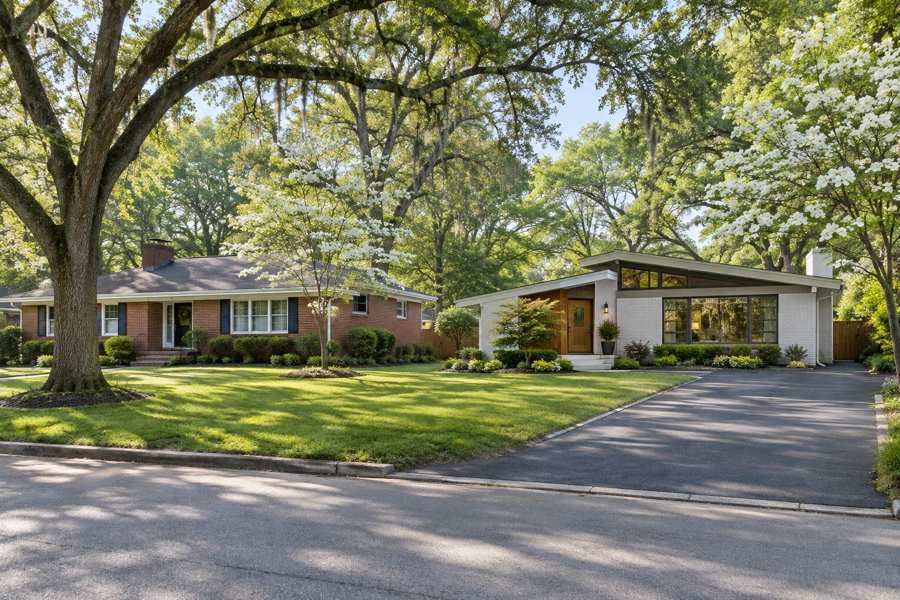
A Plaza Midwood seller needs to separate the neighborhood name from the local historic-district boundary, then separate design approval from building permits and present condition. A preserved porch or attractive replacement window does not show whether the actual work was approved, completed within scope or inspected by the right authority. A useful sale file makes those questions visible before a buyer relies on the listing.
Mecklenburg County's Expired Permits page says a permit with no requested or performed inspections expires six months after issuance, while a started inspection process without the required completion certificate expires one year after the latest inspection. Those are different stages, not one universal clock. A paid permit or completed contractor invoice is not the same as documented inspection closeout.
This guide uses Charlotte's Certificate of Appropriateness guidance and design standards, current County record sources, NCREC materials and substantive Plaza Midwood seller articles. It prepares a dated file without declaring that an unseen home is compliant, safe or eligible for a particular addition. The guide does not supply a demolition approval, retrospective cure, title opinion or guaranteed sale price.
Confirm the Parcel and Local Historic Designation
Begin with the actual parcel and local district designation rather than the Plaza Midwood neighborhood label. Ask City staff to confirm the relevant boundary and review process. Historic appearance, building age and a nearby approved project do not establish that this property is inside the district or subject to the same conditions. Preserve the official answer with the property identifier and date.
Eric Layne's Plaza Midwood Homes: Renovate Or Start From Scratch? article uses the heading "Check Historic District Status First". That is the right first question, but its neighborhood-share statistic is not a parcel determination. Use official mapping and staff review instead of treating a broad percentage or an agent's neighborhood description as the exact boundary.
Designation file: Collect the parcel number, deed, available survey and district correspondence. Ask whether the actual proposed work falls within the local review program. A marketing description such as historic bungalow may express architectural character without establishing a formal designation. Other zoning, building and recorded restrictions can remain relevant outside the historic district.
Charlotte's Certificate of Appropriateness page applies to a "local historic district". The City's design standards describe district review and its limits; they do not certify a home's structural health. Confirm the particular designation and scope before applying a rule from another neighborhood or promising that a buyer can freely alter a non-designated property.
Retrieve the Actual Certificate and Approved Scope
Collect the Certificate of Appropriateness, application, approved plans and conditions for known exterior work. Match the record to the actual property and project instead of treating an application number or meeting appearance as approval. Keep revisions and outstanding requirements together. A design approval establishes its stated scope, not every building permit, completion finding or condition of the home.
The City of Charlotte's Certificate of Appropriateness page says approval is needed "prior to work commencing" within its described exterior-review scope. Work can include alteration, restoration, construction, relocation or demolition, and landscaping or site work can also require review. Do not narrow the rule to visible front-facade changes merely because an outside article describes streetscape preservation.
Approval packet: Keep the issued document, drawings, staff comments, approved materials and any later revisions. Record what was proposed, what was authorized and what was actually installed. An incomplete application does not hold an agenda place under the City's stated process. Neither an agenda entry nor a contractor's estimate proves that the final design was approved.
Jessica Grier's Plaza Midwood due-diligence article makes a useful distinction when it describes design review and inspection as answering "two completely different questions". Use that distinction without adopting its inspection-frequency statistics or fixed transaction window. A certificate can help explain design history while leaving electrical, foundation, moisture or other condition questions open for the appropriate professionals.
Distinguish Routine Maintenance From an Exterior Change
Ask historic-district staff whether the actual work is routine repair or an alteration requiring review. Charlotte generally treats in-kind repair and maintenance differently from a change in design or material. That is a scope determination, not a seller's label for any inexpensive project. Replacing a component, changing its appearance and maintaining it can have different review consequences.
Charlotte's Historic District Design Standards say ordinary maintenance is different when there are no changes in "design or material", and state that staff must determine whether a project truly fits that category. Its current COA page gives in-kind reroofing and planting flowers as generally exempt examples while advising confirmation with staff before work begins.
Work description: Identify the existing material, proposed repair, replacement extent and any change in dimensions or finish. A roofer's use of the word maintenance does not establish the City's category. Keep the written staff determination and the contractor's scope so a buyer can distinguish a repair from a broader alteration marketed under a reassuring label.
The Sears Group's Getting Your Plaza Midwood Bungalow Ready To Sell article recommends "Focus on polish, not over-renovation". That is useful spending discipline, not authority to skip review. Choose cleaning, repair or other preparation based on the actual condition and required permissions instead of assuming every small-cost change is automatically exempt or every older feature must be replaced.
Prepare Window, Masonry, Porch and Site Records Separately
Exterior elements can have different design and technical questions. Gather records for windows, doors, porch work, masonry, fencing, trees and other known site changes rather than describe the whole house as renovated. Keep original condition, authorized repair, replacement material and completion separate. A single project photograph or invoice may not explain each component's actual approval or current performance.
Charlotte's Historic District Design Standards advise owners to "Contact staff before ordering windows" and discuss repair before replacement. The guide does not turn that into an absolute promise that every window can be repaired or every replacement is prohibited. The actual condition, appropriate professional scope and City's current decision must support the proposed work.
Masonry and site work: Charlotte's COA page lists painting previously unpainted brick among major-project examples. It also says tree removal and site work should be discussed with staff. Do not paint masonry, remove a tree or change a fence merely because a seller-preparation article recommends curb appeal. Keep the actual project response rather than infer permission from an older photograph of a neighbor's house.
The Sears Group's article encourages protecting original porch, trim and window patterns instead of stripping character from a bungalow. Use that as a preparation question, not proof of a price premium. Preserve known repair and alteration records for those features and ask the qualified inspector about actual deterioration. The guide does not diagnose a porch, chimney or window from its age or style.
Keep Historic Review and County Building Permits Distinct
A Certificate of Appropriateness and a building permit address different requirements. Exterior work can require historic review even when a building permit is not needed, and a building permit can govern systems or structural work without establishing historic design approval. Retrieve the relevant records for each actual project. Do not let one familiar certificate stand in for every required review.
Charlotte's Historic District Design Standards explicitly describe "Exterior work that does not require a building permit" as still needing the appropriate historic review before work begins. Read that alongside staff's maintenance determination and the current COA page, not as a claim that all ordinary flower planting requires a certificate. The actual activity and category matter.
Permit ledger: List each addition, system change and other substantial project with the contractor, approximate date, scope and record. NCREC's Building Permits - A Broker's Responsibility bulletin says requirements are determined by "county and/or municipal building inspection offices" and can vary or change. Use its verification principle, not an old dollar-threshold example as a current exemption for this project.
Plaza Midwood Living's Renovating a Plaza Midwood Home article summarizes historic review as applying to exterior work visible from the street. The City's current exterior and site-work language is broader, so this guide does not use that visibility shortcut. Nor does an unrestricted interior design choice eliminate a building, trade or safety requirement for the actual work.
Verify Final Evidence and Explain Missing Records Honestly
A submitted application, issued permit and completed inspection are different stages. Retrieve the inspection results and any required completion evidence, then ask the responsible office about open or expired items. Missing online results do not establish that work was unpermitted. Record availability and system coverage can limit what a search shows, especially when a project is older.
Charlotte's Certificate of Appropriateness page provides a "HDC Final Inspection Request Form" for completed work. Keep that review separate from County building or trade inspections. An HDC completion response is not a whole-property warranty, and a passed building inspection does not establish that later exterior changes match the historic approval.
Search limits: Mecklenburg County's Public Records page describes an online research period of six years; its Expired Permits page describes records covering seven years and directs owners to search both relevant systems. Those descriptions differ. Do not select one number as a universal retention rule or conclude that a missing permit proves an absence of approval. Ask the office about the actual record and available route.
The County's Expired Permits page says "Only expired permits require action" in its property-owner record discussion, then describes ways to resolve those permits. That is not a universal statement that every active record or unpermitted change is irrelevant. Preserve the actual status, scope and office instructions instead of promising a simple cure, guaranteed retrospective approval or automatic closing delay.
Separate Condition Findings From Historic Character
A design-approved exterior can still have condition issues, and an attractive original feature can still need assessment. Gather dated findings for the actual concern without diagnosing from neighborhood age. Distinguish cosmetic preparation, maintenance, repair and unresolved recommendations. A seller's preserved facade or an old inspection does not establish the current state of systems, structure or moisture conditions.
Jessica Grier's article distinguishes the historic design process from what is "behind the walls or under the foundation". That is a useful question boundary, not evidence that a particular Plaza Midwood home has old wiring, sewer damage or a foundation problem. Its generic inspection probabilities, repair-credit claims and roof-age rules are not adopted as property facts.
Condition packet: Keep the inspection date, scope, findings, specialist reports, contractor proposals and completed-work evidence. State what was actually observed and what remains uncertain. A repair invoice supports its stated work, not a guarantee that every related issue has disappeared. Do not conceal a known concern with cosmetic finishes or market an untested component as fully restored.
The National Association of Realtors' Preparing to Sell Your Home guide says a pre-sale inspection "is not required" in its general preparation discussion, while explaining its potential use. That is not an exemption from required government review or the seller's actual transaction duties. Choose useful assessment with the professionals rather than order every possible test or assume preservation review substitutes for one.
Prepare Accurate Owner and Broker Information
Provide the current disclosure materials and project history to the transaction professionals, keeping owner responses separate from broker duties. North Carolina's current form allows certain No Representation responses but warns about latent-defect liability and separate broker obligations. A certificate, as-is term or repaired condition does not remove the need for accurate statements. Obtain advice about the actual facts and agreement.
The North Carolina Real Estate Commission's Residential Property and Owners' Association Disclosure Statement, revised July of the current year, says the owner responses "are not a warranty". It also distinguishes No Representation from a guarantee of no defect. Use the actual current form and professional review rather than a seller article's blanket rule that every repaired issue has the same disclosure treatment.
Different roles: NCREC's Building Permits - A Broker's Responsibility bulletin explains verification of known work and disclosure of material permit issues. Its Sellers' Obligation to Disclose Latent Defects bulletin discusses actual knowledge and hidden defects. Those materials should be read with the current form, not replaced by a national summary or an outside article's shorthand about all owners and all defects.
Record table: Keep project, condition and approval evidence organized, and update it if an event or finding changes the information during negotiations. No Representation is not a method for a broker to avoid a known material fact. The guide does not decide the legal consequence of a particular missing certificate, repair or inaccurate answer; counsel and the transaction professionals need the actual record.
| Record | What it supports | What remains separate |
|---|---|---|
| Parcel and district response | Actual designation and scope | Whole-neighborhood assumptions |
| COA and approved plans | Authorized exterior design within scope | Building permits and condition |
| County permits and final evidence | Review and completion within scope | Historic design approval |
| Invoices and condition reports | Documented work or dated findings | All approvals and future performance |
| Current disclosure and project ledger | Actual owner information and history | Broker duties and legal conclusions |
Compare Sale Routes With the Same Approval Questions
Compare listing, scoped preparation and direct-sale proposals using the same historic, permit and condition file. Identify which offer depends on corrections, inspections, financing, future alterations or a particular closing date. Use actual written terms and professional review rather than assume a neighborhood-wide timetable. A private buyer does not grant design approval, cure expired work or guarantee a better net sale result.
Eric Layne's article says the renovate-or-rebuild answer is "property-specific, not neighborhood-wide". Apply that reasoning to seller preparation as well: identify the actual concern, permissions, scope and cost before choosing a major project. Do not borrow national renovation medians or neighboring redevelopment activity as proof that this parcel supports an addition, demolition or profitable rebuild.
Offer worksheet: Compare purchaser identity, price, deposit, financing, inspection, correction or credit, approval and completion evidence, possession and closing date. Include real preparation and carrying costs where known. Separate an estimate from contracted work and a proposed credit from an accepted term. A buyer's proposed future use remains subject to its own current review.
The National Association of Realtors' Real Estate Sales Contract Contingencies guide describes a contingency as "a condition that needs to be met" before completion. The actual agreement supplies the evidence, deadlines and consequences. Do not import a brokerage article's typical due-diligence fee or fourteen-to-thirty-day window as a universal North Carolina contract rule. Have counsel assess the actual language before committing to the sale plan.
Frequently Asked Questions
Plaza Midwood sellers should identify the actual local designation, exterior approvals, building permits, completion evidence and current findings. Charlotte design review is not a structural certification. Missing online records need further inquiry, and disclosure roles remain separate. These answers use official materials without promising retrospective approval, a universal exemption, a standard contract window or a particular price.
Does the Plaza Midwood name establish local historic status?
The actual parcel and local boundary need confirmation. Architectural character or a nearby approval is not the property designation.
Is a COA the same as a building permit?
They address different requirements and may both be needed. Retrieve the records for the actual exterior, structural or system work.
Does a design approval certify the house condition?
It addresses its stated design scope. Obtain the appropriate condition findings separately.
Does inexpensive exterior work automatically qualify as maintenance?
The actual scope and any change in design or material matter. Charlotte advises consulting staff before work rather than relying on the contractor label.
Should a seller order replacement windows before review?
Charlotte design standards advise contacting staff before ordering windows. Assess actual condition and required review before choosing replacement.
Does a missing online permit prove unpermitted construction?
Online coverage and record availability have limits. Ask the office about the specific project and available history.
Does an issued permit show inspections are complete?
Issuance and final evidence are separate stages. Check actual inspection results and any required completion certificate.
Does No Representation remove broker material-fact duties?
NCREC keeps owner responses and broker duties separate. Have the professionals review the actual facts and current form.
Does a direct offer approve future demolition or additions?
A purchase proposal is not government design or construction approval. Compare actual terms with the remaining review and condition questions.
How Maison Off-Market Reviews a Plaza Midwood Sale Option
Maison Off-Market describes a direct-purchase process that reviews the property before proposing price and timing. A Plaza Midwood seller can compare its written option using designation, exterior approval, permit and condition records. The company does not issue a COA or certify construction. Confirm how the proposal handles missing records, corrections and unresolved conditions before relying on closing terms.
Maison Off-Market's homepage describes working through "your attorney or title company", flexible closing dates, no commissions and no seller closing costs. Verify purchaser identity, deposit, net proceeds and conditions in the actual proposal. A preference for no seller repair work does not erase required reviews, recorded restrictions or accurate statements about known work.
Decision evidence: The actual property proposal and written terms, not a verified Plaza Midwood historic-restoration outcome or approval case study. Compare listing and direct-sale routes with the same remaining questions. A private sale is an option to evaluate, not a guaranteed cure, demolition right, condition warranty or higher price.
Compare your options before committing. Request a written private offer for your property, with no obligation, then weigh it against your listing plan.
Sources
- City of Charlotte, Checked October 6, 2026. Certificate of Appropriateness. https://www.charlottenc.gov/Growth-and-Development/Planning-and-Development/Historic-District/Certificate-of-Appropriateness.
- City of Charlotte, Checked October 6, 2026. Historic District Design Standards. https://www.charlottenc.gov/files/sharedassets/city/v/1/growth-and-development/planning-and-zoning/documents/hdcdesignstandards.pdf.
- Mecklenburg County, Checked October 6, 2026. Code Enforcement Public Records. https://code.mecknc.gov/public-records.
- Mecklenburg County, Checked October 6, 2026. Expired Permits and Resolution. https://code.mecknc.gov/site-menu/permitting/expired-permits.
- North Carolina Real Estate Commission, Checked October 6, 2026. Current Residential Property and Owners Association Disclosure. https://www.ncrec.gov/Forms/Consumer/rec422.pdf.
- North Carolina Real Estate Commission, Checked October 6, 2026. Building Permits - A Broker Responsibility. https://bulletins.ncrec.gov/building-permits-a-brokers-responsibility/.
- North Carolina Real Estate Commission, Checked October 6, 2026. Seller Latent Defects and Broker Roles. https://bulletins.ncrec.gov/sellers-obligation-to-disclose-latent-defects-legal-liability-and-the-role-of-brokers/.
- The Sears Group, Checked October 6, 2026. Getting Your Plaza Midwood Bungalow Ready To Sell. https://thesearsgroupnc.com/blog/getting-your-plaza-midwood-bungalow-ready-to-sell.
- Eric Layne, Checked October 6, 2026. Plaza Midwood Homes: Renovate Or Start From Scratch?. https://ericlaynerealestate.com/blog/plaza-midwood-homes-renovate-or-start-from-scratch.
- Jessica Grier, Checked October 6, 2026. Plaza Midwood Due Diligence and Inspection Questions. https://jessicagrier.com/blog/in-plaza-midwood-you-dont-lose-the-sale-at-the-inspection-you-lose-it-during-due-diligence.
- National Association of Realtors, Checked October 6, 2026. Preparing to Sell Your Home. https://www.nar.realtor/the-facts/consumer-guide-preparing-to-sell-your-home.
- National Association of Realtors, Checked October 6, 2026. Real Estate Sales Contract Contingencies. https://www.nar.realtor/the-facts/consumer-guide-real-estate-contract-contingencies.
- Plaza Midwood Living, Checked October 6, 2026. Renovating a Plaza Midwood Home, Visibility Summary Compared With City Scope. https://plazamidwoodliving.com/renovating.
Related research
Seller Guide · 2026-10-08
How to Prepare Bloomfield Hills Tree and Woodland Sale Records
Separate tree approvals, replacement duties and wetland limits before selling wooded property.

Seller Guide · 2026-10-07
How to Prepare Georgetown Historic Exterior Sale Records
Separate historic design approval, building permits and actual exterior work before selling.
Seller Guide · 2026-10-07
How to Prepare Tenafly Tree Permit Sale Records
Connect tree removal approvals, mitigation planting and accepted inspections before promising landscape changes.