Seller Guide · by Aidan Sowa · October 6, 2026
How to Prepare Menlo Park Sewer and Permit Records Before Selling
Separate sewer condition, district review and completed permits before comparing sale terms.
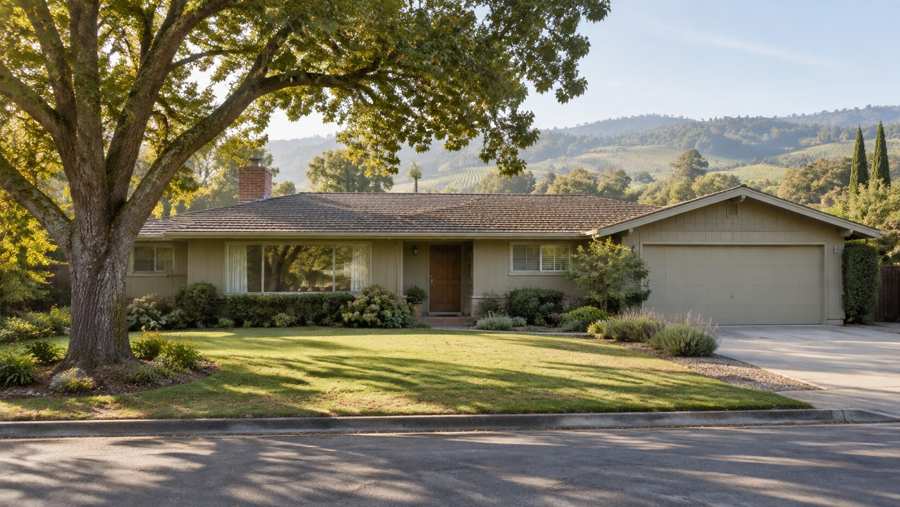
A Menlo Park sale file should identify the sewer provider before making claims about inspections or completed repairs. The City of Menlo Park Sanitary Sewer page reports three sanitary sewer providers in the community. That statistic matters because a city address does not make every parcel subject to the same district procedures, and a neighboring home's paperwork is not your property's clearance.
This guide separates an ordinary transfer, optional condition research and proposed construction. It explains how to organize footage, district evaluations, repair scope, recorded service terms and final permit records without claiming that a listing photograph proves the buried pipe is sound. No private parcel, inspection video or permit history was reviewed.
Identify the Sewer Provider Before Applying a Rule
Confirm the parcel and its actual sewer provider first. Menlo Park has more than one provider, and city limits are not a district boundary. Save the lookup result with the address and date. If a proposed improvement or repair is involved, ask the responsible provider about that scope rather than borrowing a requirement from a nearby sale.
The City of Menlo Park Sanitary Sewer page calls West Bay Sanitary District the "main provider", but also lists East Palo Alto Sanitary District and Fair Oaks Sewer Maintenance District. Its interactive map is the starting point for an address check. The provider list is not permission to assign a parcel by neighborhood name alone.
The City's Utility Requirements page directs questions about "new laterals" and cleanouts to West Bay. Read that project guidance alongside the parcel lookup, not as proof that all city properties have West Bay service. Water service is a separate lookup; a water bill or meter label should not substitute for identifying the sewer authority.
Parcel sheet: Record the street address, parcel identifier, city or county jurisdiction, sewer provider, lookup date and any uncertain boundary. Keep a distinction between the building-side work, lateral work and public-right-of-way work. A contractor's familiar provider name is a lead to verify, not a current written answer for the property.
Separate an Ordinary Sale From a Proposed Improvement
A sale question and a construction question should have separate answers. Do not invent a universal preclosing sewer certificate or assume that no transfer rule means no repair responsibility. Describe whether the property is being transferred without work, undergoing permitted changes or being marketed with unfinished improvements. Obtain current scope-specific guidance before promising an approval date.
Redwood City Pulse's March reporting states that Menlo Park does not require sewer lateral inspections "as part of the home-sale process". Luxuriant Realty's Menlo Park sewer article similarly distinguishes an ordinary sale from permitted improvements. These articles explain the question readers ask; they are not an official parcel-specific exemption or a substitute for current district review.
West Bay's current Code of General Regulations says a person must obtain a written permit before making connections with, altering or disturbing a public sewer. Its section on building sewers is about the work itself. Do not replace that actual scope language with a claim that every cosmetic kitchen update, ADU idea or ownership change automatically requires a new lateral.
Scope example: A seller considering a detached dwelling should give the provider the actual plans, proposed connection and existing records. A seller making no improvements should still keep known defect and repair information ready. A buyer's contractual request for an inspection is a different matter from an authority's construction requirement.
Build a Condition Timeline Rather Than a Clean Bill of Health
List known backups, slow drainage, inspections and repairs with dates and source documents. Separate what the owner observed from what a qualified inspector reported. A period without symptoms does not certify hidden condition, and an older repair does not prove the entire line was replaced. Preserve limitations instead of smoothing them into an unqualified marketing claim.
Redwood City Pulse's sewer inspection article discusses problems that develop "out of sight", including roots and shifting soil. Use those observations to ask practical questions, not to diagnose your line from the age of the home or a tree in the front yard. A sewer may have been replaced long after the building was constructed.
Straser Silicon Valley's Menlo Park sewer article focuses on the improvement path and the timing of permit review. Its useful lesson is to investigate before building a sale schedule around unfinished work. Do not adopt its scenario as a universal deadline or a prediction that a specific project will delay escrow.
Timeline fields: Date, symptom or work, person reporting it, invoice or evaluation reference, affected segment and unresolved question. Write 'owner recalls a clearing visit; invoice unavailable' when that is the evidence. Do not call it a full replacement or say the district accepted work just because a plumber was paid.
Preserve Usable Camera Evidence and Its Limits
Keep the actual recording, its address identification, date, footage readings and written findings. A short still image or verbal summary may not meet the receiving authority requirements. Ask whether the recording reaches the relevant connection and whether the line was prepared for the inspection. Preserve any areas that could not be viewed rather than treating incomplete footage as complete coverage.
West Bay's CCTV Sewer Preparation Requirements instructs owners to "clean line prior to video submission". It calls for address identification, a recording date, a footage meter and a description of material and condition. It also describes showing the connection at the district main and recording as the camera returns through the sewer.
The same West Bay document warns that "poor video quality" or missing footage information can lead to rejection. Its preference for starting from a property-line cleanout includes a stated alternative where an appropriate cleanout is not visible. That is not permission for a seller to decide that any clip is acceptable; ask the district about the actual submission.
Evidence preservation: Keep an unedited copy and the contractor's report together, including the exact address and inspection date. Record the observed start and end points. If a camera could not pass an obstruction, describe that limit explicitly. A usable video supports a review of the recorded segment, not a promise of future performance.
Read the District Evaluation Before Choosing Repair Scope
Separate the contractor proposal from the district written evaluation. Ask which observed defects support cleaning, repair or replacement and which segments remain unreviewed. A generic cost estimate cannot settle acceptance, material choice or connection details. Preserve the evaluation and the decision record so a buyer can understand why the selected work was performed.
West Bay's CCTV requirements states that a "written evaluation letter" with next steps will be prepared after submission. Its evaluation table distinguishes minor roots or grease, which it associates with cleaning, from multiple cracks, collapsed sections and other conditions it associates with replacement. The categories help explain the process but do not diagnose an unseen property.
West Bay's Forms and Permits Information for Residents page lists CCTV preparation, trenchless permit procedures, service-agreement templates and other documents. Select the documents appropriate to the actual repair method rather than gathering unrelated forms and calling the packet complete. Check the current submission channel and fee directly when arranging a review.
Decision record: Save the evaluation date, identified segment, recommended action, contractor scope and any district clarifications. Where estimates differ, compare what each includes: preparation, replacement length, connection work, restoration and inspections. Do not turn an article's regional cost range into the expected cost for this parcel.
Check Trenchless Method and Recorded Service Terms
A trenchless proposal should include the method, required checks and any recorded agreement affecting future service. Less surface disruption does not mean unchanged district cleaning obligations. Keep the signed and recorded documents with the final records, and distinguish a liner from pipe bursting. The selected method should be reviewed for the actual lateral rather than chosen from a marketing phrase.
West Bay's current Code of General Regulations says the district will "NOT provide cleaning service" for specified accepted rehabilitation methods. It describes permit-addendum requirements and recording at the county before acceptance. That limited service consequence belongs in a future owner's record packet, not only in a contractor's temporary project folder.
West Bay's Trenchless Sewer Permit Procedures identifies Class 1F residential and Class 2F commercial permits. Its document specifies a 36-inch property-line depth check before the described trenchless route, and directs a different route if the requirement is not met. This is a published procedure, not a seller's authority to measure informally or certify method eligibility.
The same West Bay procedure requires a "signed & notarized" limited service agreement for issuance and distinguishes postwork requirements for cured-in-place work from on-site inspection after pipe bursting. A brochure saying 'trenchless repair completed' does not identify which route was used or prove district acceptance. Ask for the permit, actual method and relevant final evidence.
Keep District, Building and Street Permits Separate
Create a permit list by authority and work area instead of relying on a single project number. Sewer district acceptance, city building approval and right-of-way permission may address different work. Note issued, inspected and final status separately. When the repair reaches the street, ask which encroachment records and restoration obligations apply before treating the project as complete.
The City of Menlo Park Encroachment Permits page lists "repair of sanitary sewer laterals" among activities requiring its permit route. It asks for a site-specific sketch, traffic-control materials, applicable insurance and licensing information. Those requirements concern public-right-of-way work; they do not mean every private interior plumbing repair needs the same city permit.
That City page also states a West Bay permit copy must be submitted before a city encroachment permit for public-right-of-way lateral replacement can be issued. Preserve the sequencing record where it applies. Approval by one authority is not automatic approval by the other, and a contractor's scheduled appointment is not an inspection result.
The City's Permit Requirement Definitions page includes a "West Bay Sanitary District" permit item within its project requirements. Treat that as a reason to verify the proposed development scope, not a universal replacement order. Status sheet: Authority, number, work description, issued date, inspection record, correction items and actual final or acceptance document.
Explain Known Problems and Missing Records Carefully
Known condition information and permit gaps should remain visible when a sale option changes. An as-is preference is not a factual certification or a blanket removal of disclosure duties. Separate direct observations, professional findings and unavailable documents. Ask the qualified transaction advisers which current forms and exceptions apply rather than reproducing a generic disclosure packet from an older guide.
The California Department of Real Estate's Disclosures in Real Property Transactions guide explains the Transfer Disclosure Statement and includes "Plumbing/Sewers/Septics" among the condition categories. Use the guide to identify what needs careful review, not to decide current exemptions or legal delivery requirements for a particular transaction without professional advice.
Redwood City Pulse's article notes that a buyer can request an inspection "during the contingency period" even where no city inspection is required for the sale itself. Such a request is contractual review, not an authority's certificate. Keep the buyer's request and resulting findings distinct from district construction paperwork.
Missing-document language: Describe an invoice, evaluation or final record as unavailable when it is unavailable. A seller who knows of a previous backup should not substitute 'no mandatory inspection' for the history. If a later inspection contradicts an earlier summary, retain both dates and seek clarification rather than choosing the more flattering wording.
Compare the Record Packet and Sale Paths
Compare sale options using the same condition and permit packet. Separate the cost of gathering evidence from the cost of work and from contractual risk allocation. A direct buyer may accept unresolved work, but the written offer should say what it assumes. A listing plan may involve more research, yet it should not promise a price increase from sewer documentation alone.
Luxuriant Realty's article distinguishes the improvement path from an as-is sale, while Straser Silicon Valley's article emphasizes sequencing construction and sale plans. Apply their planning questions without treating either article as a guaranteed appraisal outcome, required universal project or district exemption. The record packet should serve whichever sale route the owner actually selects.
Comparison fields: Purchaser identity, net proceeds, deposit, review rights, completion conditions, unresolved work, timing and responsibility for remaining documents. A statement that a buyer 'handles everything' should be translated into the actual written terms. A fast proposed closing and a completed district evaluation answer different questions.
West Bay's Code and the City's permit pages support keeping official acceptance separate from private negotiations. If a buyer accepts an unfinished repair, that agreement does not make an open permit final. Likewise, a district acceptance letter does not settle every buyer concern, future maintenance cost or whole-house condition.
| Record | What it supports | What remains separate |
|---|---|---|
| Provider lookup | Responsible sewer authority | Water provider and city boundary |
| Video and contractor report | Dated observed condition | Unseen segments and future performance |
| District evaluation | Official next-step review | Contractor estimate or sales promise |
| Repair scope and service agreement | Actual method and service terms | Automatic routine cleaning coverage |
| District and city final records | Acceptance within identified scope | Complete home-condition certification |
| Written sale proposal | Actual cost and responsibility allocation | Guaranteed premium or closing |
Frequently Asked Questions
These answers separate a property transfer from construction review, and a condition report from official acceptance. They are not parcel-specific legal advice, a lateral diagnosis or a clearance letter. Confirm the provider and the actual project first, then check the current district, city and transaction requirements with the responsible professionals before assigning deadlines or making completion claims.
Does every Menlo Park sale need a sewer certificate?
The cited local reporting distinguishes Menlo Park sales from cities with mandatory transfer inspections. Confirm current parcel-specific requirements rather than treating an article as an official exemption.
Does an ADU always require replacing the lateral?
Do not assume replacement from the proposed use alone. Give the responsible provider the actual plans and existing condition records for scope-specific review.
Can I use the water bill to identify sewer service?
Water and sanitary sewer providers should be checked separately. Save the current address-based sewer lookup and ask about any uncertain boundary.
Is a contractor video enough for district acceptance?
A recording must meet the receiving district requirements and support its review. Keep the written evaluation and applicable final records rather than calling footage alone a clearance.
Does no recent backup mean the pipe is sound?
A lack of observed symptoms does not certify hidden pipe condition. Describe the dated history and any professional findings without making a future-performance promise.
Does trenchless repair preserve district cleaning service?
West Bay documents identify limited cleaning-service terms for certain rehabilitation methods. Read the actual recorded agreement and applicable permit records before describing future service.
Is a sewer district permit also a city street permit?
District and city approvals address different work and may require separate records. For public-right-of-way replacement, check the City encroachment requirements and sequencing.
Can an as-is sale omit known sewer problems?
An as-is preference does not turn missing records into positive evidence or decide disclosure duties. Ask the transaction advisers to review known history and the applicable current forms.
Will a completed repair increase the sale price?
A documented repair may answer condition questions but does not guarantee a premium. Compare actual offers using net terms, review conditions and remaining work rather than an assumed value increase.
How Maison Off-Market Reviews a Menlo Park Sale Option
Maison Off-Market describes reviewing the property and land before proposing price and timing. A Menlo Park seller can compare its written option using the same sewer history, permit records and remaining questions used for a listing plan. The company is not the sewer authority and does not certify hidden pipe condition or make an open project officially complete.
Maison Off-Market's homepage describes closing with "your attorney or title company", flexible dates, no commissions and no seller closing costs. Verify those terms in the actual property proposal, including purchaser identity, deposit and net proceeds. A stated preference for no seller repairs does not change recorded service limitations or required factual disclosure.
Decision evidence: The actual written offer and its assumptions, not a verified Menlo Park sewer-repair case study or a district approval guarantee. Compare it with a listing plan on the same remaining work and records. A direct sale is an option to evaluate, not an automatic cure for incomplete permits or a promise of a higher price.
Compare your options before committing. Request a written private offer for your property, with no obligation, then weigh it against your listing plan.
Sources
- City of Menlo Park, Checked October 6, 2026. Sanitary Sewer Providers. https://www.menlopark.gov/Government/Departments/Public-Works/Water-stormwater-and-solid-waste/Sanitary-sewer.
- City of Menlo Park, Checked October 6, 2026. Utility Requirements. https://www.menlopark.gov/Government/Departments/Public-Works/Engineering-Division/Single-family-home-projects/Utility-requirements.
- City of Menlo Park, Checked October 6, 2026. Encroachment Permits. https://www.menlopark.gov/Government/Departments/Public-Works/Engineering-Division/Encroachment-permits.
- City of Menlo Park, Checked October 6, 2026. Permit Requirement Definitions. https://www.menlopark.gov/Government/Departments/Community-Development/Building/General-Information/General-Permit-Information/Permit-Requirement-Definitions.
- West Bay Sanitary District, Checked October 6, 2026. Code of General Regulations, July 2026. https://www.westbaysanitary.org/files/cd22e4f41/2026-07-08+CODE+OF+GENERAL+REGULATIONSrev.7.22.26.pdf.
- West Bay Sanitary District, Checked October 6, 2026. Forms and Permits Information for Residents. https://www.westbaysanitary.org/forms-permits-information-for-residents.
- West Bay Sanitary District, Checked October 6, 2026. CCTV Sewer Preparation Requirements, May 2024. https://www.westbaysanitary.org/files/7dc0e8d12/WBSD+-+CCTV+Sewer+Preparation+Reqs+rev+05.29.24.pdf.
- West Bay Sanitary District, Checked October 6, 2026. Trenchless Sewer Permit Procedures, May 2024. https://www.westbaysanitary.org/files/dd25730cb/Class+1F+and+2F+Permit+Procedures_Gen+Regs+%26+Templates2_05292024.pdf.
- Luxuriant Realty, Checked October 6, 2026. Menlo Park Sewer Lateral Rule and ADU Permit. https://luxuriantrealty.com/blog/menlo-park-has-no-sewer-lateral-rule-at-closing-your-adu-permit-has-one-anyway.
- Redwood City Pulse, David Goll, Checked October 6, 2026. What Peninsula Homeowners Need to Know About Sewer Inspections Before Selling. https://www.rwcpulse.com/home-improvement/2026/03/16/what-peninsula-homeowners-need-to-know-about-sewer-inspections-before-selling/.
- Straser Silicon Valley, Checked October 6, 2026. The Menlo Park Sewer Rule and Improvement Path. https://strasersiliconvalley.com/blog/the-menlo-park-sewer-rule-that-only-fires-when-you-try-to-make-the-house-more-sellable.
- California Department of Real Estate, Checked October 6, 2026. Disclosures in Real Property Transactions, RE Six. https://www.dre.ca.gov/files/pdf/re6.pdf.
- Maison Off-Market, Checked October 6, 2026. Current Homepage and Sale Process. https://bulkscaler.com.
Related research
Seller Guide · 2026-10-08
How to Prepare Bloomfield Hills Tree and Woodland Sale Records
Separate tree approvals, replacement duties and wetland limits before selling wooded property.

Seller Guide · 2026-10-07
How to Prepare Georgetown Historic Exterior Sale Records
Separate historic design approval, building permits and actual exterior work before selling.
Seller Guide · 2026-10-07
How to Prepare Tenafly Tree Permit Sale Records
Connect tree removal approvals, mitigation planting and accepted inspections before promising landscape changes.