Seller Guide · by Aidan Sowa · October 6, 2026
How to Prepare Mar Vista ADU and Conversion Records Before Selling
Separate existing space, approved use and final records before comparing sale terms.
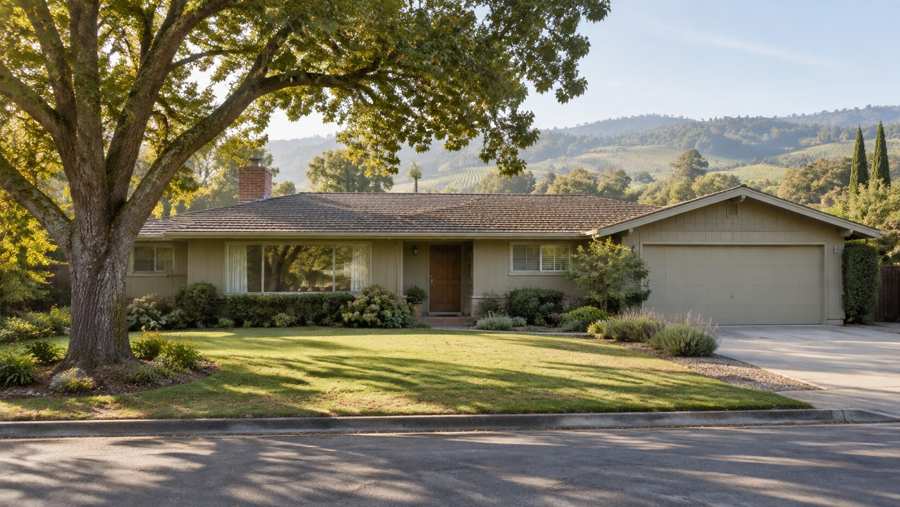
A finished room behind a Mar Vista home is not, by appearance alone, a permitted dwelling. The City of Los Angeles' current streamlined permitting bulletin addresses qualifying unpermitted ADUs and JADUs built before January 1, 2020. That cutoff matters more than an attractive kitchen photograph: the published path still requires eligibility evidence, review, applicable clearances, inspection and final approval.
This guide explains how to assemble existing-use records, construction history, plans and official completion evidence before comparing sale options. It separates a lawful permitting route from a promise of automatic legalization and distinguishes appraiser or lender review from city acceptance. No private property, unit, plans, lease or permit file was reviewed.
Identify the Parcel and Describe the Actual Space
Begin with the property address, responsible jurisdiction and the space as it exists. Separate a garage, bedroom, guest room, ADU and JADU rather than treating them as interchangeable labels. Record the physical features and the use shown in existing approvals. A listing description or contractor gallery is not proof that your space has the same permitted use.
LADBS's Accessory Dwelling Unit page describes ADUs as providing "independent living facilities". The California Department of Housing and Community Development's March ADU Handbook separately describes JADUs, including the 500-square-foot limit in its definition. These definitions are a reason to examine the unit's actual configuration, not an invitation to classify a converted room by size alone.
Paradigm Builders' Mar Vista ADU and Garage Conversion page describes detached, attached and conversion options. Use that local overview to distinguish project types before gathering the records. Do not assume its service examples, advertised features or projected rental opportunities prove an existing structure's status, approvals or separate utility arrangements.
Space sheet: Address, parcel identifier, detached or attached location, former use, present observed features, known construction date and source of each description. State whether a label comes from a permit, a seller's recollection or an old listing. A separate entry door and a kitchenette do not settle legal dwelling status or current rental eligibility.
Collect Building Records and Keep Status Words Precise
Gather permits, approved plans, inspection results and any applicable certificate of occupancy. Keep issued, inspected, corrected and final status separate. A permit authorizing work is not proof that the work was completed as approved. Search the actual address and related identifiers, and describe missing records as missing rather than treating a failed search as proof that no records exist.
LADBS's Property Records page lists "Certificates of Occupancy", building permits, violation files and approved building plans among available records. It also explains that blueprint copies have special request requirements, including owner and design-professional authorization where applicable. A seller should preserve the actual documents instead of relying only on a screenshot of a search result.
LADBS's Building Permits page is the official starting point for building-permit procedures. Its PRISM Help and FAQ is a separate source for using the records platform. An application reference, payment receipt or portal account does not mean an ADU has received its required approvals. Record the status wording, source system and date of the read.
Record list: Permit number, scope, approved use, related plan sheets, corrections, inspection outcome and applicable completion document. Search for the main house as well as the secondary space where identifiers differ. If records show a storage room or garage, do not quietly rename it a dwelling because a later advertisement uses that word.
Establish Construction History Without Inventing Eligibility
A possible legalization route depends on evidence of when the unit was built and whether it meets the applicable definition. Distinguish the date the garage was built from the date residential conversion occurred. Gather dated documents tied to the actual space. A family recollection or recent contractor estimate should not be presented as an official finding about the relevant construction date.
The current LADBS Streamlined Permitting bulletin requires "Documentation establishing" construction before January 1, 2020. It lists examples such as contractor bills, material receipts, utility or insurance documents relating to the construction, code-enforcement records, leases and real-estate documents. It also allows other documents acceptable to the department; acceptance remains an authority decision.
California Government Code Section 66311.7 uses the same pre-January-2020 construction boundary in its stated permitting protections. The operative date is not the year the present owner purchased the home or the year a broker first called the room an ADU. Preserve the chain between the dated document and the unit rather than assuming the document describes every later alteration.
Timeline example: A garage built decades ago may have been converted much later, with additional kitchen or bathroom work after that. Separate each stage and identify which records support it. If the conversion date is uncertain, say so and seek qualified review before building an offer or closing schedule around the special route.
Read the Current Legalization Route With Its Limits
Use the current state provision and the City of Los Angeles process together. The route is not automatic permission for every unpermitted room, and safety conditions still matter. Check eligibility, proposed corrections and required clearances before promising approval. Keep city procedures separate from county procedures and do not apply an older statutory section number as if it were current.
California's current Government Code Section 66311.7 states that a local agency "shall not deny a permit" for specified qualifying older unpermitted ADUs or JADUs on listed grounds. The same section preserves the stated health-and-safety exception and excludes a building deemed substandard under the referenced Health and Safety Code section. Read those qualifications together rather than isolating the protective phrase.
LADBS's current bulletin references Section 66311.7 and was revised in August 2026. HCD's March ADU Handbook is additional state guidance. The earlier AB 2533 bill used Section 66332, but the current official code identifies its renumbering effective January 2026. An older article or county manual is not the operative City of Los Angeles instruction.
Boundary: A qualifying permitting application, a completed permit and a safe finished dwelling are different states. Ask the responsible professionals about the actual unit, evidence and corrections. Do not claim the route makes every existing addition legal, removes every cost, approves rental use automatically or guarantees that a city will finish review before escrow ends.
Separate Private Inspection From Required City Review
A confidential third-party inspection can help an owner understand possible defects before applying, but it does not replace official permits or inspections. Preserve what the inspector reviewed and any concealed areas or assumptions. Ask how identified issues affect the actual route. Do not convert a private report into a city acceptance letter or treat confidentiality rules as permission to hide known defects from buyers.
LADBS's Streamlined Permitting bulletin calls the optional third-party inspection "for the homeowner's information only". It explains that it does not resolve or exempt the owner from required LADBS permits and inspections. Its statement that those results need not be submitted to LADBS addresses that agency process, not every disclosure obligation in a property sale.
California Government Code Section 66311.7 separately describes the option of a "confidential third-party code inspection" from a licensed contractor before applying. That option helps owners assess potential improvements. It does not certify eligibility, replace a permit or create a blanket rule about what a seller may omit from a buyer's review packet.
Inspection file: Inspector identity and qualifications, date, scope, visible findings, inaccessible areas and recommended follow-up. If a report concerns electrical or moisture conditions, retain those findings alongside the permitting questions. Ask transaction counsel about actual disclosure duties rather than using a confidentiality label as a universal nondisclosure instruction.
Track Corrections, Clearances and Final Approval
Organize the steps still required after an application or permit is issued. Keep correction notices, completed work, inspection results and applicable clearances in date order. A finished surface is not proof that concealed work meets the approved scope. Ask for the actual final documents before describing the unit as completed under the published route.
LADBS's bulletin states that identified deficiencies may be issued as "correction notices". It explains that necessary repairs or construction must be performed before final approval, and that inspectors may require concealed work to be exposed for examination. A fresh coat of paint and a contractor invoice cannot answer an inspector's unresolved correction item.
The same LADBS bulletin says the certificate of occupancy is issued after the "final inspection is approved" and required clearances from other city departments have been approved. It also states clearances are project- and parcel-specific. Do not invent a fixed list or tell a seller that every project will need all of the example departments.
Completion ledger: Application, permit, scope change, correction, repair evidence, inspection result, clearance and certificate. Identify exactly which item is pending and who issues it. If the seller chooses not to complete the route before sale, describe the unresolved status in the transaction records instead of labeling the unit legally complete by private agreement.
Separate Fees, Utilities and Rental Assumptions
Ask for a project-specific cost and requirement breakdown. A published impact-fee protection does not mean every application or correction is free. Utility infrastructure, plan review and other charges should be checked under the actual scope. Rental assumptions also need separate review; approval of construction does not settle every lease, local restriction or operating requirement.
California Government Code Section 66311.7 addresses "impact fees" and connection or capacity charges, with its stated utility-infrastructure and health-and-safety qualifications. LADBS's bulletin separately describes plan-check and permit fees and identifies additional fee categories. Do not shorten those distinct rules into 'free legalization' or quote a whole-project budget from a promotional article.
HCD's ADU Handbook discusses rental terms and separate conveyance as distinct subjects within ADU law. The existence of a dwelling unit does not automatically make it a separately saleable property. Ask about the actual parcel, recorded restrictions, current local rules and existing tenancy before making a rental-income or separate-sale claim.
Cost sheet: Document research, professional review, plans, fees, utility work, corrections, restoration and contingency. Separate verified quotes from possible items. A contractor's forecast of rent or return is not an existing lease, appraisal, confirmed legal use or guaranteed income stream, and a buyer may evaluate those risks differently from the current owner.
Keep Appraisal and Lending Review Separate From City Records
Prepare the unit records for the appraiser or lender without promising a dollar adjustment. Physical space, permit history, zoning, comparable sales and financing rules address different questions. A city approval does not guarantee a particular appraisal or loan. Avoid adding every secondary square foot to the main-house living area or copying a regional value range as the property result.
Stephanie Younger Group's Mar Vista and Del Rey appraisal article discusses "contributory value" and permit status. Its stated dollar-per-foot ranges and percentage deductions are not verified results for an unseen home. Use the article to ask how the actual secondary space will be treated, not to promise a premium or an automatic deduction.
Fannie Mae's Special Property Eligibility Considerations and Site Section of the Appraisal Report provide current program guidance. Those sources distinguish property eligibility and zoning analysis from a broker's headline. The actual lender and appraiser should determine how the subject property fits the applicable requirements; a local article's summary is not a loan approval.
Review packet: Approved use, plans, measured scope, completion records, known exceptions and current condition findings. Keep the primary residence and secondary unit descriptions clear. Ask which program applies and what remains unresolved. Neither a buyer's cash offer nor a city record validates an invented future rent, whole-home area total or appraisal amount.
Compare Sale Paths Using the Same Unit Record Packet
Use the same evidence when comparing a listing, work-first plan or direct offer. Identify what remains unfinished, who will handle it and what the contract assumes. A buyer may accept remaining work, but private terms do not finalize city approvals. Compare net proceeds and conditions rather than treating a promise to handle the ADU as a complete allocation of risk.
A-du's Mar Vista Offset ADU article describes an 890-square-foot two-story project that reused part of a garage and responded to nearby power lines. It demonstrates why a specific project's drawings, constraints and construction history matter. It is an attributed example, not proof that another garage can follow the same design, approvals, cost or timeline.
Paradigm Builders' neighborhood page and Stephanie Younger Group's appraisal discussion supply different planning questions: what type of conversion is involved, and how its records might affect review. Neither establishes an actual sale outcome for this property. Preserve an incomplete record as incomplete even when an offer proposes a short closing.
Offer fields: Purchaser identity, deposit, review rights, net proceeds, required approvals, remaining corrections, tenancy assumptions and responsibility for record retrieval. If a direct buyer proposes taking the property without seller repairs, ask what that means in writing. Do not describe an open application as a final unit or a proposed rent as current revenue.
| Record | What it supports | What remains separate |
|---|---|---|
| Address and existing use | Actual subject and described space | A neighboring unit or marketing label |
| Construction-date evidence | Possible route eligibility review | Automatic eligibility or legalization |
| Plans and issued permits | Approved scope and authorization | Actual completed construction |
| Private inspection | Dated findings within scope | Required city inspections and buyer duties |
| Corrections, finals and certificate | Official completion within scope | Whole-home future performance |
| Written offer and lender review | Actual terms and program assessment | Guaranteed premium, loan or rental income |
Frequently Asked Questions
These answers separate existing space from approved use, and a possible permitting route from completed approval. They are not parcel-specific legal advice, a code inspection or an appraisal. Confirm the actual address, unit configuration, construction history and official records, then check current city and transaction requirements before promising timing, rent, value or legal completion.
Does a finished garage room count as a permitted ADU?
Finished surfaces and a separate entrance do not prove approved dwelling use. Check the actual permits, plans and completion records for the space.
Does the pre-January cutoff refer to the original garage?
The relevant evidence must establish the qualifying unit construction history. Do not substitute the original garage age for the date of a later residential conversion.
Does the special route legalize every older unit?
Current state and city sources describe a qualified permitting process with stated limits. Eligibility, safety review and required final steps remain separate from the existence of the route.
Can a private inspection replace LADBS inspections?
The City bulletin describes the optional private inspection as information for the homeowner. It does not replace required permits, LADBS inspections or applicable final approval.
Does confidential inspection mean buyers cannot receive findings?
The published agency process does not establish a blanket exemption from sale disclosure duties. Ask transaction counsel how known findings and the actual deal should be handled.
Does an issued permit prove work is complete?
An issued permit authorizes the stated scope but is not the same as approved final inspection. Preserve corrections, applicable clearances and the required completion record.
Is legalization free under the published route?
Specific fee protections do not mean every plan, permit, correction and utility cost disappears. Obtain a current project-specific breakdown from the responsible authority and professionals.
Will a permitted ADU guarantee a higher appraisal?
Permit records can support review but do not determine a guaranteed value adjustment. The actual appraiser and lender must evaluate the subject property and applicable program.
Can a direct buyer accept remaining unit work?
A buyer may propose terms addressing unfinished work or missing records. Those private terms do not themselves finalize city approval or decide every disclosure obligation.
How Maison Off-Market Reviews a Mar Vista Sale Option
Maison Off-Market describes reviewing the property and land before proposing price and timing. A Mar Vista seller can compare its written option using the same ADU history, permit records and remaining questions used for a listing plan. The company does not grant city approvals, determine legal unit status or guarantee an appraisal or rental outcome.
Maison Off-Market's homepage describes closing with "your attorney or title company", flexible dates, no commissions and no seller closing costs. Verify those terms in the actual property proposal, including purchaser identity, deposit and net proceeds. A preference for no seller repairs does not make incomplete unit records official or remove applicable disclosure duties.
Decision evidence: The actual written proposal and its assumptions, not a verified Mar Vista legalization or appraisal case study. Compare it with a listing plan on remaining work, approvals and conditions. A direct sale is an option to evaluate, not a substitute for required review or a guarantee that an unpermitted unit will be accepted.
Compare your options before committing. Request a written private offer for your property, with no obligation, then weigh it against your listing plan.
Sources
- California Legislature, Checked October 6, 2026. Current Government Code, Article One, Section 66311.7. https://leginfo.legislature.ca.gov/faces/codes_displayText.xhtml?article=1.&chapter=13.&division=1.&lawCode=GOV&part=&title=7..
- Los Angeles Department of Building and Safety, Checked October 6, 2026. Streamlined Unpermitted ADU Permitting. https://dbs.lacity.gov/streamlined-unpermitted-adu-permitting-ib-pbc-2026-161.
- Los Angeles Department of Building and Safety, Checked October 6, 2026. Streamlined Permitting Bulletin, Revised August 2026. https://dbs.lacity.gov/sites/default/files/efs/forms/pc17/IB-P-BC-161-PermittingofUnpermittedDwellingUnderAB2533.pdf.
- Los Angeles Department of Building and Safety, Checked October 6, 2026. Property Records. https://dbs.lacity.gov/services/search-online-building-records.
- Los Angeles Department of Building and Safety, Checked October 6, 2026. Accessory Dwelling Units. https://dbs.lacity.gov/adu.
- Los Angeles Department of Building and Safety, Checked October 6, 2026. Building Permits. https://dbs.lacity.gov/services/plan-review-permitting/building-permits.
- Los Angeles Department of Building and Safety, Checked October 6, 2026. PRISM Help and FAQ. https://prism.dbs.lacity.gov/help.
- California Department of Housing and Community Development, Checked October 6, 2026. ADU Handbook, March 2026. https://www.hcd.ca.gov/sites/default/files/docs/policy-and-research/adu-handbook-update.pdf.
- Fannie Mae, Checked October 6, 2026. Special Property Eligibility Considerations. https://selling-guide.fanniemae.com/sel/b2-3-04/special-property-eligibility-considerations.
- Fannie Mae, Checked October 6, 2026. Site Section of the Appraisal Report. https://selling-guide.fanniemae.com/sel/b4-1.3-04/site-section-appraisal-report.
- Stephanie Younger Group, Checked October 6, 2026. How ADU Conversions Affect Home Appraisal Values in Del Rey and Mar Vista. https://stephanieyounger.com/adu-appraisal-value-mar-vista-del-rey/.
- Paradigm Builders, Checked October 6, 2026. Mar Vista ADU and Garage Conversion. https://paradigmbuilders.com/mar-vista-ca-adu-garage-conversion/.
- A-du, Chris Koss, Checked October 6, 2026. Mar Vista Offset ADU by Byben. https://a-du.homes/blog/20260406-mar-vista-offset-adu-byben.
- Maison Off-Market, Checked October 6, 2026. Current Homepage and Sale Process. https://bulkscaler.com.
Related research
Seller Guide · 2026-10-08
How to Prepare Bloomfield Hills Tree and Woodland Sale Records
Separate tree approvals, replacement duties and wetland limits before selling wooded property.

Seller Guide · 2026-10-07
How to Prepare Georgetown Historic Exterior Sale Records
Separate historic design approval, building permits and actual exterior work before selling.
Seller Guide · 2026-10-07
How to Prepare Tenafly Tree Permit Sale Records
Connect tree removal approvals, mitigation planting and accepted inspections before promising landscape changes.