Seller Guide · by Aidan Sowa · October 6, 2026
How to Prepare Kailua-Kona Cesspool and Sewer Records Before Selling
Confirm the system, conversion duties and completion evidence before comparing sale terms.
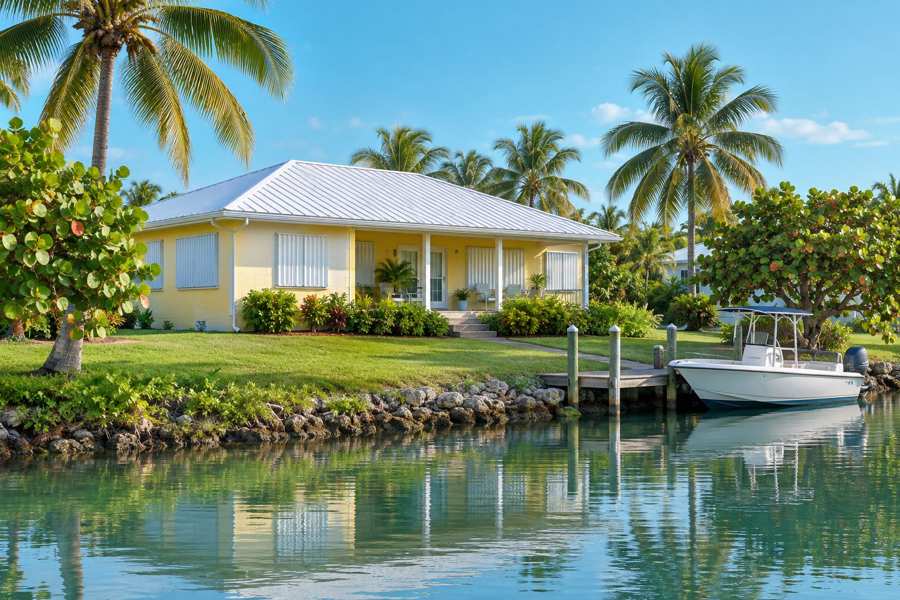
A Kailua-Kona seller can lose time when the listing says septic but the paperwork describes a cesspool, or when a water bill is mistaken for proof of sewer connection. The Hawaii Department of Health Wastewater Branch estimates approximately 88,000 cesspools statewide, nearly 50,000 on the Big Island. Those statewide estimates explain why the question matters, but they do not identify the system on a particular home or establish a repair price.
This guide organizes a seller's wastewater file: the actual system, state records, conversion obligations, sewer feasibility, design and completion documents, costs and disclosures. It addresses the practical questions buyers ask about a home with city water and a cesspool without accepting those two services as the same thing. The seller needs a parcel-specific answer, not a general assurance that nearby houses use the same arrangement.
The distinction that matters most is between a future statewide deadline and a current property-specific requirement. A sale, a building change, a failing system and a federally regulated large-capacity cesspool are different situations. No private parcel, permit, system, contract or grant application was reviewed for this guide. Use the actual records and appropriate local professionals to settle the home's obligations.
Identify the Actual System Before Describing It
Begin with the parcel and evidence of what receives the home's wastewater. A cesspool, a septic system, an aerobic unit and a connection to a collection system are not interchangeable descriptions. Confirm the system with records and a qualified professional when needed. Treat the drinking-water connection as a separate fact, even if both bills or pipes are handled locally.
The Department of Health's General Info and FAQ warns that people sometimes call cesspools "septic systems" or describe a property as sewered when it has an individual wastewater system. That wording can hide different maintenance duties and legal requirements. Preserve the description on the original record instead of translating it into the term that sounds most familiar to a buyer.
The same FAQ describes an individual wastewater system as typically composed of a septic tank and absorption system, while a cesspool receives untreated wastewater. Its Cesspools in Hawaii page says cesspools release an estimated 53 million gallons of untreated sewage into the ground daily statewide. That environmental estimate is not a measurement of this seller's discharge or proof that a particular nearby beach is affected by the home.
Identity sheet: Record the Tax Map Key, address, structures served, known system location, record source and date. Note whether the drinking-water supply is separate from wastewater disposal. Do not infer sewer connection from the presence of a water meter, a road project or a neighbor's service. A licensed wastewater engineer, certified operator or licensed plumber can help identify the actual system, as the DOH FAQ recommends.
If a buyer asks whether the system is shared with another building, preserve that question rather than answering from household size alone. A second structure, multiple dwelling units or nonresidential use may change the regulatory inquiry. No seller should open, enter or test a cesspool as a do-it-yourself way to settle the description. Ask a qualified professional to establish safe inspection scope.
Request the Records With a Reliable Parcel Identifier
Use the Tax Map Key to request the state wastewater file and match each result to the correct property. Keep old permits, cesspool information, plans and later approvals in date order. If the agency has no record, document that result and investigate the system rather than announcing that it never existed or that it is automatically lawful.
The DOH Records Request page says "TMKs are far more reliable" than addresses for identifying a property. It provides a request form and island-specific routing, including the western side of Hawaii Island. Follow the current page when submitting rather than relying on an old contact copied from an earlier transaction. This guide has not submitted a request or accessed a private file.
That page says the Branch typically tries to respond or make contact within ten business days, with holidays, staffing and other circumstances able to delay the response. This is not a delivery guarantee for a sale deadline. Start the request early enough that escrow does not have to treat an unreturned inquiry as a clean result. Keep the request date, response and any stated limitation.
The DOH FAQ recommends a professional inspection when the wastewater system cannot be found and the Branch has no records. Where a cesspool is present, it says the Branch requires a cesspool information card completed by the licensed engineer. A no-record reply therefore creates a next step, not permission to rename the system or assure the buyer that the government has approved it.
Missing-record note: Distinguish no response, no matching record, an illegible record and a record for a different Tax Map Key. Include the original plans and later changes, not only the newest invoice. If an addition or rental unit was built after the wastewater design, ask whether that change was reviewed. Keep the unanswered point visible in the handoff.
Separate the Statewide Deadline From Earlier Triggers
The current statewide cesspool statute requires action before January first, two thousand fifty, subject to director-granted exemptions. It does not provide a universal safe waiting period for every system. Earlier duties can arise from system failure, certain building changes or other applicable rules. Confirm those facts before saying that conversion can simply be left to the next owner.
Hawaii Revised Statutes section 342D-72, on the Legislature's current-text site, requires every covered cesspool before January 1, 2050 to be upgraded or converted to a director-approved wastewater system or connected to sewerage. Its operative phrase is "Before January 1, 2050". The statute allows exemptions granted by the director after an application and supporting documentation; it does not make a small lot or poor soil an automatic exemption.
The DOH General Info and FAQ says a 2025 proposal to bring certain deadlines forward to 2035 did not pass. That is a dated statement about a specific proposal, not a promise that the law can never change. Use the current statute and agency guidance for the actual transaction. A proposal, priority map or internet summary should not be written into the sale file as an enacted deadline.
The DOH FAQ identifies earlier conversion triggers under Hawaii Administrative Rules section 11-62-06(m), including proposed building modifications that may change wastewater quantity or character, harmful conditions, pumping more than twice in twelve months, more than one spill and direct disposal into groundwater. The signed and stamped Chapter Sixty-Two rule text says the director may require an upgrade at the director's discretion in these situations. Preserve that distinction instead of treating the simplified FAQ as an automatic determination for every home.
Current-condition check: Assemble pumping frequency, spills, notices, symptoms and proposed additions. Have the responsible professional assess applicability and any notice. A future deadline does not erase an existing failure. Conversely, the sources reviewed do not establish that every ordinary single-home sale alone requires completed conversion first. The seller's contract, property facts and other applicable duties still need review.
Check Whether Federal Large-Capacity Rules Apply
A cesspool serving multiple residential units or certain nonresidential uses can fall under a separate federal ban. Do not apply the statewide future deadline to such a system without checking its classification. A small single-family cesspool is different from a large-capacity cesspool, but it remains subject to state and local requirements. Establish the buildings and uses served before choosing the rule.
EPA's Cesspools in Hawaii page explains that most cesspools serving only single-family residences are not regulated by EPA, while large-capacity cesspools are covered by Underground Injection Control rules. Existing large-capacity cesspools had to close by April 5, 2005. EPA says those rules do not allow an extension or waiver of that federal deadline. This is a separate issue from the state's 2050 framework.
EPA's Large-Capacity Cesspools guidance states that cesspools serving multiple residential units are large-capacity without requiring a calculation of residential daily flows or users. For nonresidential cesspools, capacity to serve twenty or more persons in a day can matter even when actual daily use is smaller. Do not treat twenty occupants as the sole test for every property.
That EPA guidance uses the phrase "case-by-case basis" for the potential usage of nonresidential infrastructure. A seller with a second dwelling, business use or unclear shared system should get a grounded classification rather than relying on a single-family tax label. The number of people currently living there is not necessarily the whole regulatory answer.
Separate file: Keep any EPA inventory, closure correspondence, engineering assessment and completion evidence distinct from ordinary pumping receipts. An enforcement notice is not resolved merely because the seller changes how the property is advertised. No federal classification, enforcement search or closure determination for a private Kailua-Kona property has been made here.
Verify Sewer Feasibility Without Assuming Connection
Ask the county about actual service and connection requirements for the parcel. The presence of a collection network or an infrastructure project does not prove that the home is connected, that a new connection is available immediately or that all costs are included in an advertised estimate. Separate eligibility, design, permission, installation and verified service in the sale file.
The Hawaii County Department of Environmental Management Wastewater Division says it operates 120 miles of sewer mains, sixteen pump stations and seven treatment facilities. Those countywide infrastructure figures show the scale of its work, not universal coverage of Kailua-Kona or the postal area. Its public service-area page is a starting point for agency inquiries, not a parcel service certificate.
The county's Sewer Connection Information page lists a Permit to Perform Work on the Public Sewer System, a Sewer Extension Application and adopted details and design standards. That distinction matters: a planned extension and an existing connection are different records. Ask for the current parcel-specific route and requirements before treating a contractor's estimate as authority to connect.
The county's October 3, 2025 Hale Halawai force-main announcement described a $6.4 million replacement project scheduled for completion by October 2026. This guide does not verify whether that project has now finished. More importantly, a replacement announcement for existing infrastructure is not evidence that every nearby cesspool property gained a new service connection or that the county paid its private lateral costs.
Connection questions: Confirm the responsible agency, service boundary, acceptable connection location, any extension requirement, public-work permits and private work. Ask how an existing cesspool must be handled after a connection and who documents completion. Preserve the answer in writing with its date and limits. A seller's water bill or a newly paved street does not answer those questions.
Collect Completion Evidence for a Converted System
For a conversion, keep the engineering plan, approval to construct, contractor records, final inspection report and approval to use as separate milestones. Installed equipment is not the same as a completed agency approval. Match the final file to the actual system and property, then identify any missing certification or unresolved difference before presenting the work as finished.
The DOH Individual Wastewater Systems Homeowner Resources starts with hiring a Hawaii-licensed civil engineer, keeping the Tax Map Key and having the engineer prepare the design after site investigation. It describes percolation testing, surveying and determining wastewater requirements. A generic septic package sold elsewhere is not evidence that this parcel's layout, geology or proposed wastewater load has been approved.
The same DOH page says construction follows plan approval and requires the appropriate licensed contractor. At completion, the engineer submits the IWS Construction Inspection Report and Contractor Certification Form. The Branch issues an "approval to use letter" if there are no discrepancies. Its instructions say a new system remains in noncompliance without that approval to use.
The DOH FAQ reports internal historical averages of roughly ten days for reviews, twenty-five days for engineer responses and two hundred days for construction or installation. It explicitly says review time is not guaranteed. Do not add those averages into a promised closing calendar: they describe different process components and the actual project can be shorter or longer.
Completion gap: If the seller has a paid invoice but no approval to use, ask the engineer and Branch what remains. If the installed layout changed from the approved plan, preserve the difference rather than filing the original design as an as-built certification. Keep county building approvals separate from state wastewater approval; one agency's completed step does not silently complete the other.
Budget the Work Without Assuming Financial Assistance
Obtain current site-specific engineering and construction quotes, then check whether any assistance program is actually open and applicable. A past grant, new loan law or another island's program is not money available to this seller. Compare gross cost, confirmed assistance, timing and written responsibility separately. Do not subtract an expected grant from sale proceeds until its eligibility and award are established.
The DOH General Info and FAQ says current costs depend on location, geographical conditions and market conditions. It separates engineering, materials and construction costs and directs readers to an engineer and contractor for accurate current quotes. This guide provides no universal Kona conversion price. Rock excavation, layout and system requirements need an actual project assessment, not a number taken from an old online comment.
The DOH Financial Support Programs page places the 2023 Hawaii Cesspool Pilot Grant Program under completed programs and describes its $20,000 reimbursement grant. The older pilot FAQ describes a cap of 225 grants after administrative costs. Those figures describe a past program, not a current application opportunity, guaranteed award or transfer of a seller's funding to a buyer.
The current DOH support page describes a 2026 statewide revolving-loan program, while the Governor's July 2026 signing announcement describes a cesspool revolving loan fund under a differently numbered act. Because those public descriptions do not align on the legislative reference, this guide does not pick one as settled eligibility or application instructions. Ask the administering agency for the current program rules, opening status and a written eligibility answer.
Funding boundary: The DOH page also lists Kauai assistance, which is not a Hawaii County program simply because it concerns cesspools. Separate grants from loans, reimbursement from upfront cash and enacted authority from an open application. If the owner compares conversion before sale with a buyer handling work later, use confirmed costs and actual written terms rather than presumed financial aid.
Prepare the Disclosure and Sale Handoff
Present the known system, records, conditions and unfinished steps together, and use the applicable disclosure process. A future deadline or as-is clause does not justify an inaccurate system description. Give the same material facts to buyers considering different sale routes. Have the appropriate transaction professional apply the law, exemptions, contract dates and any later amendments to the actual sale.
Hawaii Revised Statutes section 508D-4 requires a disclosure statement for covered residential sales, subject to section 508D-3 exemptions, with specified signing, dating, delivery and acknowledgment requirements. It refers to signing and dating within six months before or ten calendar days after contract acceptance. Do not turn that one timing provision into the complete delivery procedure; the statute also refers to section 508D-5.
Section 508D-13, titled "Later material facts", addresses relevant information discovered after the statement was provided. It sets conditions for an amended statement, including a ten-calendar-day period after discovery and a final pre-recording deadline, and provides a conditional fifteen-calendar-day examination and rescission period. A new system problem during escrow therefore deserves prompt professional review, not an assumption that the original disclosure is frozen.
Section 508D-6 addresses earlier inaccurate or missing material information and a buyer's conditional right to rescind before recording. These statutes have specific conditions and limits; this guide is not a legal determination of a private contract. Keep the original disclosure, amendments and supporting evidence together so that a wastewater result is not buried in an unrelated receipt folder.
Use the table to prevent overstatements. Each record answers a narrower question than the seller may wish it did. A cash offer may change financing conditions, but it does not itself establish system compliance, transfer a grant or cancel applicable disclosure duties.
| Record | Useful question | Does not establish |
|---|---|---|
| DOH record and engineer identification | What system serves the property? | Every current condition or later alteration |
| County service confirmation | What connection route is available? | An installed and functioning connection |
| Approved design | What construction was authorized? | Approval to use the completed system |
| Final report and approval to use | What completed system was accepted? | No future maintenance or failure |
| Award or loan documents | What assistance is confirmed? | Automatic eligibility for the next owner |
| Disclosure and amendments | What material facts were supplied? | Waiver of all agency or contract duties |
Frequently Asked Questions
These questions help a seller prepare a wastewater handoff without replacing an engineer, the responsible agency or transaction advice. The answer depends on the parcel, actual structures and system, records and proposed work. Keep statewide rules separate from system-specific conditions, and do not treat a missing document or an old funding announcement as a favorable determination.
Does city water mean my Kona home has sewer service?
No, drinking-water supply and wastewater disposal are separate services. Confirm the actual disposal system and any sewer connection from parcel records and the responsible agency.
Is a cesspool the same as a septic tank?
No, the DOH FAQ distinguishes untreated cesspool disposal from an individual wastewater system with treatment components. Use the actual system record rather than a convenient listing label.
Must every cesspool be converted before a home sale?
The current statewide statute sets a deadline before January first, two thousand fifty, with director-granted exemptions, rather than a universal sale trigger. Earlier system-specific duties and the actual transaction still require review.
Can I wait until the statewide deadline if my system is failing?
Not necessarily, because the DOH FAQ identifies earlier conversion triggers including certain harmful conditions, spills and repeated pumping. Have the agency and responsible professional assess the actual condition.
Does the federal ban apply only when twenty people live there?
No, EPA says cesspools serving multiple residential units can be large-capacity without a residential user calculation. The potential twenty-person threshold concerns nonresidential capacity and needs its own factual assessment.
What if DOH cannot find my wastewater record?
Preserve the no-record response and ask a qualified professional to identify the system. The DOH FAQ describes a licensed-engineer cesspool card where applicable, not an automatic clearance from missing records.
Does a paid installation invoice prove conversion is complete?
No, DOH distinguishes construction evidence from its approval to use. Collect the final inspection and contractor certification along with the actual agency approval.
Can I count on the old pilot conversion grant?
No, the current DOH support page lists that pilot among completed programs. Confirm any current program, eligibility and award before counting assistance in the sale budget.
Can an as-is cash sale remove all wastewater duties?
No, the sale label does not establish compliance or cancel applicable disclosure requirements. Compare written responsibility for known conditions and unfinished work with appropriate professional advice.
How Maison Off-Market Fits a Wastewater Record Handoff
Maison Off-Market offers a direct-purchase route that owners can compare with a listing after the wastewater file is organized. Its public process includes assessing the home and land, then an offer if it fits. That route does not certify the system, promise conversion funding, remove disclosure duties or establish eligibility for every Kailua-Kona property.
Maison Off-Market's public site says it buys luxury homes and estates directly from owners, with no showings, commissions, closing costs or seller repair work. Those are public service claims, not evidence that a particular cesspool property qualifies or that agency-required work is waived. This guide has reviewed no private offer and promises no price, acceptance or conversion budget.
Compare written terms: Give the same known system, permit, condition and completion information to the listing and direct-sale alternatives. Ask who gets missing records, who pays for required work and what conditions affect proceeds or timing. The quieter route may fit the owner, but the actual offer and applicable professional advice settle responsibility, not the marketing description.
Compare your options before committing. Request a written private offer for your property, with no obligation, then weigh it against your listing plan.
Sources
- Hawaii Department of Health, Current public page checked October 2026. Cesspools in Hawaii. https://health.hawaii.gov/wastewater/home/cesspools/.
- Hawaii Department of Health, Current FAQ checked October 2026. General Info and FAQ. https://health.hawaii.gov/wastewater/home/general-info-and-faq/.
- Hawaii Department of Health, Current instructions checked October 2026. Records Request. https://health.hawaii.gov/wastewater/home/records-request/.
- Hawaii Legislature, Current text checked October 2026. HRS section 342D-72: Mandatory upgrade, conversion or connection. https://www.capitol.hawaii.gov/hrscurrent/Vol06_Ch0321-0344/HRS0342D/HRS_0342D-0072.htm.
- Hawaii Department of Health, Signed and stamped Chapter Sixty-Two copy. Wastewater Systems administrative rules. https://health.hawaii.gov/wastewater/files/2023/04/11-62-Wastewater-Systems-CtrlFEnter.pdf.
- US Environmental Protection Agency, Current guidance checked October 2026. Cesspools in Hawaii. https://www.epa.gov/uic/cesspools-hawaii.
- US Environmental Protection Agency, Current guidance checked October 2026. Large-Capacity Cesspools. https://www.epa.gov/uic/large-capacity-cesspools.
- Hawaii County Department of Environmental Management, Current page checked October 2026. Wastewater Division. https://www.dem.hawaiicounty.gov/services/wastewater.
- Hawaii County Department of Environmental Management, Current page checked October 2026. Wastewater Service Area Locations, Hours, Fees and Rules. https://www.dem.hawaiicounty.gov/facilities/wastewater-service-area-locations-hours-fees-and-rules.
- Hawaii County Department of Environmental Management, Current page checked October 2026. Sewer Connection Information. https://www.dem.hawaiicounty.gov/services/contractor-resources.
- Hawaii County Department of Environmental Management, October 3, 2025 announcement; completion not verified. Kailua-Kona Force Main Replacement. https://www.dem.hawaiicounty.gov/Home/Components/News/News/4217/3199.
- Hawaii Department of Health, Current instructions checked October 2026. Individual Wastewater Systems: Homeowner Resources. https://health.hawaii.gov/wastewater/home/iws/.
- Hawaii Department of Health, Current page checked October 2026; past programs identified. Financial Support Programs for Cesspool Conversion. https://health.hawaii.gov/wastewater/home/supportprogramscesspoolconversion/.
- Hawaii Department of Health, August 2025 FAQ for completed pilot. Cesspool Pilot Grant FAQ. https://health.hawaii.gov/wastewater/files/2025/08/CCPGP_FAQ.pdf.
- Office of the Governor of Hawaii, July 8, 2026 announcement; reference differs from DOH page. Cesspool loan legislation signing announcement. https://governor.hawaii.gov/newsroom/office-of-the-governor-news-release-gov-green-signs-legislation-to-strengthen-community-and-enhance-environmental-protections/.
- Hawaii Legislature, Current text checked October 2026. HRS section 508D-3: Exemptions. https://www.capitol.hawaii.gov/hrscurrent/Vol12_Ch0501-0588/HRS0508D/HRS_0508D-0003.htm.
- Hawaii Legislature, Current text checked October 2026. HRS section 508D-4: Residential sale disclosures. https://www.capitol.hawaii.gov/hrscurrent/Vol12_Ch0501-0588/HRS0508D/HRS_0508D-0004.htm.
- Hawaii Legislature, Current text checked October 2026. HRS section 508D-13: Later material facts. https://www.capitol.hawaii.gov/hrscurrent/Vol12_Ch0501-0588/HRS0508D/HRS_0508D-0013.htm.
- Hawaii Legislature, Current text checked October 2026. HRS section 508D-6: Later discovered inaccurate information. https://www.capitol.hawaii.gov/hrscurrent/Vol12_Ch0501-0588/HRS0508D/HRS_0508D-0006.htm.
- Maison Off-Market, Public site checked October 2026. Direct purchase service claims. https://bulkscaler.com.
Related research
Seller Guide · 2026-10-08
How to Prepare Bloomfield Hills Tree and Woodland Sale Records
Separate tree approvals, replacement duties and wetland limits before selling wooded property.

Seller Guide · 2026-10-07
How to Prepare Georgetown Historic Exterior Sale Records
Separate historic design approval, building permits and actual exterior work before selling.
Seller Guide · 2026-10-07
How to Prepare Tenafly Tree Permit Sale Records
Connect tree removal approvals, mitigation planting and accepted inspections before promising landscape changes.