Seller Guide · by Aidan Sowa · October 6, 2026
How to Prepare Flamingo-Lummus Window and Historic Alteration Records
Separate preservation approval, product evidence and final inspections before comparing sale terms.
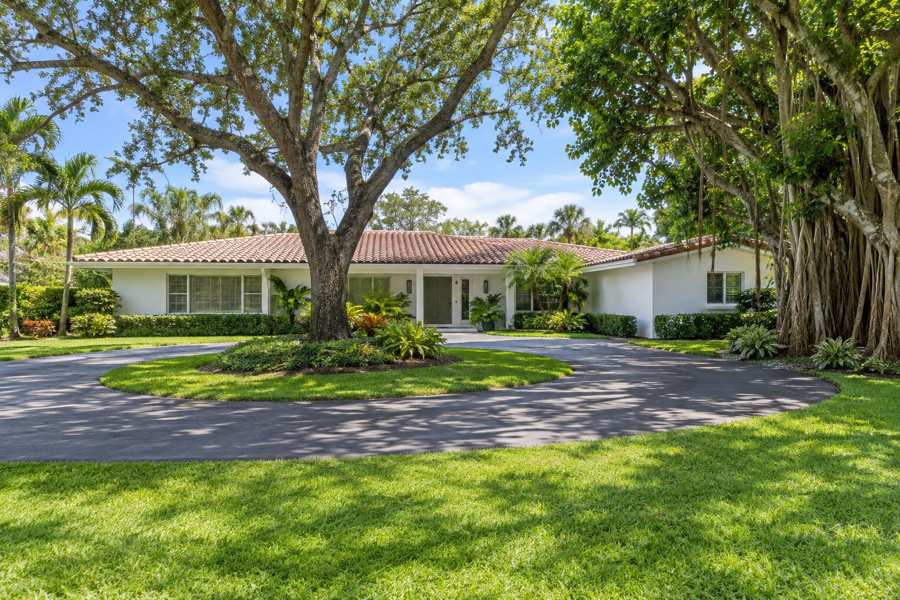
A Flamingo-Lummus seller may have attractive replacement windows, a contractor warranty and a condominium approval email without knowing whether the City file is complete. Those records answer different questions. Miami Beach's windows and doors notice says exterior installation requires a building permit, while historic review may also apply to the property and the specific work.
The City's Planning FAQs describe 14 local historic districts and distinguish contributing from noncontributing properties. They also explain that noncontributing status does not exempt a building within a local district from the appropriateness criteria. That citywide count is context, not evidence that a particular Flamingo-Lummus address has a specific designation.
This guide helps an owner assemble the designation, design, product, installation and completion record before comparing sale routes. It does not certify a window, determine a parcel's historic classification or promise approval for past work. Start with the address and the actual approved scope, not the assumption that newer windows or a storm-resistance label settle every question.
What a Flamingo-Lummus Alteration File Needs to Show
A useful alteration file identifies the property, describes the work and connects the approved design to the installed result. Keep historic classification, preservation approval, association permission, building permits and final inspections in distinct groups. An attractive exterior or a contractor's paid invoice does not by itself prove that every required review was completed or that the work matches the approved scope.
Miami Beach's Historic Property Viewer provides contributing, noncontributing and unclassified categories. Its Planning FAQs point owners to historic district mapping and the viewer. Use those tools as leads, then ask Planning to confirm the address, designation and classification when the result is unclear. Do not equate the Flamingo-Lummus neighborhood name with one legal district boundary.
Identity sheet: Record the address, unit if applicable, building identifier, property folio, relevant historic district and the date the classification was checked. If the property has multiple structures or street fronts, identify which elevation and building each approval concerns. A neighbor's designation or window approval does not establish yours.
Work description: List replacement windows, doors, storefront work, shutters, paint, façade repairs or other exterior changes separately. Note when each was done and whether openings, dimensions, materials or exterior appearance changed. Distinguish what the owner observed from what an architect, contractor or City record actually confirms.
The City's Civic Access page offers public records searches across permits, plans, inspections and code cases. Its Permits Search Dashboard can help locate records. An empty online result is a reason to check identifiers and older files with the appropriate department, not proof that an old alteration never needed approval.
How to Separate Historic Status From Review Exemptions
Historic classification and review requirements are related but not identical. Confirm whether the property is individually designated or within a local district, then ask which criteria and approvals apply to the planned or completed work. Noncontributing status is not a general permission to change the exterior, and a national designation or architectural description should not be substituted for the City's determination.
Miami Beach's Planning FAQs say buildings within a local district are reviewed under Certificate of Appropriateness criteria regardless of "building classification". They also distinguish an architecturally significant single-family home from a formal historic designation. Keep those categories separate rather than calling every old or distinctive building legally historic.
The City's current Resiliency Code portal places historic preservation in Chapter 2, Article XIII. Section 2.13.7 generally requires a certificate before permits for specified work affecting designated sites or buildings within a district, subject to the stated exemptions. The FAQ still refers to older chapter numbering, so the guide uses the current portal and asks Planning to confirm the applicable path.
No blanket rule: Some work may be exempt under the code; some may qualify for staff review; some requires the Historic Preservation Board. These are different outcomes. Ask for a written scope-specific answer rather than treating the absence of a public hearing as proof that no preservation approval was needed.
The Historic Preservation Board's City page describes its role in designation and review. That institutional authority does not determine the result for a private project. Preserve the actual determination, order or staff approval associated with the address and keep any conditions attached to it.
How to Find the Right Preservation Approval
Locate the approval that actually authorizes the alteration, including its drawings, conditions and later revisions. Eligible minor work can receive staff review, while other changes may need a board hearing. A preliminary discussion, staff recommendation or contractor assurance is not the final approval; the installed work should be checked against the approved scope rather than against an informal description.
Miami Beach's Planning FAQs explain that repairs, window and storefront replacement, awnings, canopies, paint and certain minor alterations may be approved by staff if the appropriateness criteria are satisfied. The current code's historic-preservation provisions also identify eligible staff-approved categories. Eligibility does not guarantee that every proposed window style will be accepted.
Approval trail: Obtain the certificate or written staff decision, board order if any, approved plans, conditions, revisions and relevant dates. Ask whether the order remains valid and whether changes made during installation required another review. A drawing stamped for one window pattern should not be used to approve a different exterior configuration.
The Planning FAQ describes board hearing scheduling as generally three to four months depending on submission timing and completeness. That is agency guidance, not a guaranteed current schedule or a reason to promise a buyer the case will close before a particular sale date. Ask about the actual application and missing materials.
Where a condo association controls exterior appearance or approval procedures, retain the relevant governing provisions and actual consent separately. City approval does not itself establish compliance with private association requirements, and private consent is not a City Certificate of Appropriateness. Ask the appropriate professional to settle any conflict before describing the work as fully approved.
How to Match Window Design With Product Evidence
Match the approved exterior design, product model and installation details to the actual windows and openings. Product approval, historic compatibility and installation approval are separate checks. A label showing impact resistance does not establish that the City accepted the window's appearance or that the approved installation method was followed at every opening.
Miami-Dade County's Product Approval page describes review of building-envelope systems including windows, exterior glazing, doors and shutters. Its Product Control Search helps locate approvals, certificates and listings. Use the actual approval identifier, model, revision, validity and limitations rather than assuming a sales brochure proves suitability for the building.
Opening schedule: Preserve the window type, dimensions, frame finish, glass information, mullion pattern, elevation and location for each group of openings. Match these to the approved drawings and product documents. If records or labels cannot be matched, identify the gap and ask the design professional or Building Department how to verify it.
The National Park Service's Evaluating Historic Windows guidance says "Repair should be the first option considered" and requires documentation of condition before replacement. Its Replacement Windows guidance discusses design, visual qualities, profiles, finish, placement and visibility. These are useful preservation principles from a federal rehabilitation context, not a substitute for Miami Beach's local approval or a guarantee of tax-credit eligibility.
Do not overstate performance: A product's approval and tested configuration have limits. Have the appropriate professional check the actual opening, anchors, substrate and approved conditions; do not infer a whole-building hurricane guarantee from one window certificate. This guide does not calculate pressures, select a product or certify an installed assembly.
How to Reconcile Permits With Installation Inspections
A permit authorizes identified work and begins the inspection trail; final completion needs its own evidence. Collect the issued permit, approved plans, required installation inspections and final result. Keep photographs and professional observations within their actual role, because they do not automatically replace City inspections or resolve concealed work that the inspector could not verify.
Miami Beach's Building Permits page lays out four main steps, including "Permit Issuance" and "Inspections". It describes certificates as an additional step for relevant projects. A submitted application or paid permit fee should not be called a completed permit, and an issued permit should not be called a passed final inspection.
The City's December 2022 Windows/Doors Inspections Notice says exterior installation requires a permit and addresses flashing, anchors, special inspection arrangements and final inspection. Its warning is direct: "Taking pictures is not a substitute for inspections." It also describes circumstances where concealment can lead to removal and reinstallation for required verification.
Keep the installation trail: Request the permit-specific inspection results, any approved special-inspector form, relevant affidavits and dated photographs, correction notices and final closure record. The notice contains an alternative documentation route under stated conditions; do not assume every project can bypass a special inspector or conceal anchors without review.
The City's Building Permit Checklists place condominiums and apartments in the commercial checklist category, including windows and doors. A residential-sounding unit description does not mean the single-family checklist is correct. Have Building confirm the applicable current checklist, code edition and inspection requirements for the actual project rather than applying every detail of an older notice unchanged.
How to Handle Mismatched or Missing Approval Records
When the installed work and the approval file do not match, identify the difference before proposing a repair or promising retrospective approval. Separate a missing copy, an open inspection, an unapproved design change and work with no known permit. Each requires a different request, and a sale contract cannot turn an unresolved record into a completed City approval.
The City's current code describes restoration of property altered in violation of historic-preservation provisions. That makes the existing condition and the approved design important evidence, but it does not establish a remedy or penalty for this property. Ask Planning and Building about the actual case and the appropriate path; do not assume an after-the-fact application will be granted.
Missing copy: Search using the address, unit, permit number and former descriptions, then request older or archived files. Record what was searched and what the department returned. Avoid changing a requested document into a statement that no document exists simply because the online search did not find it.
Mismatch: If the glass, frame, opening or façade differs from the approved plans, preserve photos and describe the difference without declaring compliance or a violation yourself. Ask whether revised plans, another preservation review, inspection or corrective work is needed. Get the relevant answer before ordering replacements just to make the sale folder look complete.
Miami Beach's Standard Operating Procedures discuss Certificates of Occupancy and Completion, final permit status and approved record sets. The document is dated and project-specific requirements can vary, so ask what completion record applies here. A Certificate of Completion should not be presented as an unconditional authorization to occupy a space that requires a separate occupancy certificate.
How to Build a Seller Evidence Table
Build the handoff around what each record proves and what it leaves unresolved. Give the buyer or adviser the same approved scope, installed-condition evidence and missing-item list. A tidy table helps prevent a warranty, preservation decision or association email from being read as something broader, while keeping the owner's description accurate and the remaining professional questions visible.
Evidence categories: The table below draws on Miami Beach's planning and permitting guidance, its current historic code, Miami-Dade's product-control information and the National Park Service's preservation guidance. It is a preparation tool, not an opinion that a particular Flamingo-Lummus alteration complies with those requirements.
For each document, record the issuer, address, date, scope, conditions and whether a later version supersedes it. Attach the actual approved plans where available rather than relying on a file name such as final. Keep contractor warranties and maintenance advice as supporting materials, not official determinations.
Owner statement: Describe known replacement dates and unresolved items honestly. If the owner cannot confirm the original windows or the installer, say that. A current photograph may show the exterior appearance but not the concealed anchorage, historic approval history or every installation detail.
Ask the transaction attorney and broker how material facts and records should be disclosed in the particular sale. This guide does not complete a Florida seller disclosure, decide legal liability or advise that silence is permitted when records are missing. It makes the questions visible so the appropriate people can answer them.
| Record | What it supports | What it does not establish |
|---|---|---|
| Historic viewer and confirmation | District and building classification lead or determination | Permission for a specific alteration |
| Preservation approval and drawings | Accepted design scope and conditions | Installed product or passed building inspections |
| Product approval documents | Specified product and tested configuration | Historic compatibility or every installed opening |
| Association consent | Private approval within its stated scope | City permission or permit completion |
| Permit and inspection record | Authorized work and identified inspection status | Unrelated approvals or a whole-building warranty |
| Warranty and photographs | Contract terms and visible observations | Concealed installation or regulatory clearance |
How to Compare Sale Routes Without Changing the Facts
Compare a listing and a private purchase using the same alteration scope, approvals, completion records and unresolved questions. A buyer may choose different investigation or repair terms, but a simpler transaction does not replace City requirements or private association obligations. Keep responsibility, timing and actual costs in the written proposal rather than promising that an as-is label settles the approval file.
If a permit remains open, ask what the relevant department requires and whether the issue can be documented before closing. If the scope needs professional review, obtain a defined task rather than a vague complete repair estimate. Do not promise a deadline from the City's general plan-review guidance or a contractor's optimistic message.
Compare written allocation: Ask who obtains missing files, pays for further investigation, handles any approved corrective work and bears changes before closing. The buyer's acceptance is a contract issue; the City's approval is a regulatory issue. The same known facts should be available to each sale route.
An owner may prefer to avoid new work while considering a direct offer, but that preference should not be translated into a claim that all requirements disappear. Ask the appropriate professional whether an unresolved issue affects the proposed transaction, and use the actual offer instead of an invented price deduction or guaranteed acceptance.
Maison Off-Market's public process describes reviewing a property and making an offer if it fits. A private route can be evaluated alongside a listing, but neither route has been reviewed for this particular home here. The useful result is a clear record and a written allocation of remaining questions, not a cosmetic assurance that the exterior looks new.
Frequently Asked Questions
These answers cover common seller questions about historic status, replacement windows and missing approvals. They summarize the distinctions above rather than establish a parcel's classification or compliance. Ask Planning, Building, the association and the appropriate design or transaction professional about unresolved facts, and keep their actual written responses with the sale file instead of converting an assumption into a favorable answer.
Does noncontributing status let me replace any exterior feature?
No, the City says buildings within a local district are reviewed under the appropriateness criteria regardless of classification. Ask about the actual scope and whether staff or board review applies.
Does every window replacement need a board hearing?
Not necessarily, because eligible work may receive staff approval if the criteria are met. Obtain the actual decision rather than assuming no hearing means no approval was needed.
Does an impact label prove historic approval?
No, product performance evidence and preservation compatibility are different matters. Match the actual product and exterior design with the appropriate approved records.
Does association approval replace the City permit?
No, private consent and government permission have different purposes. Keep the actual association approval, preservation record and building permit separate.
Can installation photographs replace inspections?
The City's window notice says pictures are not a substitute for inspections. Confirm the permit-specific inspection and any approved special-inspector documentation route with Building.
Can I use the single-family window checklist for a condo?
Do not assume so, because the City places condominiums and apartments in its commercial checklist category. Confirm the correct current submittal and inspection requirements for the project.
Does a contractor invoice prove the permit is closed?
No, it supports the contractor's billed scope rather than the City's final status. Obtain the actual inspection and closure record for the identified permit.
Will the City approve old work after the fact?
Approval is not guaranteed, and the installed scope may need further review or correction. Ask the responsible departments about the actual records before promising a remedy or sale date.
Can a direct buyer consider the home with missing records?
A buyer may evaluate unresolved records under its own written terms, but acceptance is not promised here. A private sale does not itself issue approvals, close permits or erase association obligations.
How Maison Off-Market Fits an Alteration Record Handoff
Maison Off-Market offers a direct-purchase route to compare with a listing once the window and exterior approval record is organized. Its public process includes reviewing the home and land, then making an offer if it fits. That route does not verify historic compatibility, certify installation or guarantee acceptance of a Flamingo-Lummus property with unresolved approvals.
Maison Off-Market's public site describes buying luxury homes and estates directly from owners without showings, commissions, closing costs or seller repair work. These are public service claims, not a private offer, a City determination or a product-performance warranty. No acceptance, price or waiver of preservation and building requirements is promised here.
Compare actual terms: Supply the same known alteration, approval, inspection and missing-record information to each sale route. Ask who gets further evidence and bears the remaining cost or condition. Choose using the written proposal and professional advice rather than an assumption that an off-market transaction changes the approval history.
Compare your options before committing. Request a written private offer for your property, with no obligation, then weigh it against your listing plan.
Sources
- City of Miami Beach, Current public page. Planning FAQs. https://www.miamibeachfl.gov/city-hall/planning/planning-faqs/.
- City of Miami Beach, Current public page. Historic Property Viewer. https://www.miamibeachfl.gov/city-hall/planning/forms/historic-property-viewer/.
- City of Miami Beach, Current public page. Historic Preservation Board. https://www.miamibeachfl.gov/city-hall/city-clerk/boards-and-committees/historic-preservation-board/.
- City of Miami Beach, Current City-linked portal. Resiliency Code and Comprehensive Plan. https://www.miamibeachfl.gov/city-hall/planning/resiliency-code/.
- City of Miami Beach / Gridics, Current code read October 2026. Chapter 2, Article XIII: Historic Preservation. https://codehub.gridics.com/us/fl/miami-beach#/9e0e1745-d120-4fe6-8933-4a21c038e54d.
- City of Miami Beach, Current public page. Civic Access. https://www.miamibeachfl.gov/business/civicaccess/.
- City of Miami Beach, Current public page. Permits Search Dashboard. https://www.miamibeachfl.gov/permits-search-dashboard/.
- Miami-Dade County, Current public page. Product Approval. https://www.miamidade.gov/global/economy/board-and-code/product-approval.page.
- Miami-Dade County, Current public search. Product Control Search. https://www.miamidade.gov/building/pc-search_app.asp.
- National Park Service, Guidance page, text dated 2007. Evaluating Historic Windows for Repair or Replacement. https://www.nps.gov/subjects/taxincentives/windows-evaluating.htm.
- National Park Service, Guidance page, text dated 2007. Replacement Windows that Meet the Standards. https://www.nps.gov/subjects/taxincentives/windows-replacement-meet-standards.htm.
- City of Miami Beach, Current public page. Building Permits. https://www.miamibeachfl.gov/city-hall/building/permits/.
- City of Miami Beach, Current public page. Building Permit Checklists. https://www.miamibeachfl.gov/city-hall/building/permits/permitchecklists/.
- City of Miami Beach, December 8, 2022. Windows and Doors Inspections Notice. https://www.miamibeachfl.gov/wp-content/uploads/2022/12/WINDOWS-AND-DOORS-Notice-12.08.2022.pdf.
- City of Miami Beach, July 8, 2024. Building Standard Operating Procedures. https://www.miamibeachfl.gov/wp-content/uploads/2024/08/Building-SOP-7.8.2024.pdf.
- Maison Off-Market, Public site checked October 2026. Direct purchase service claims. https://bulkscaler.com.
Related research
Seller Guide · 2026-10-08
How to Prepare Bloomfield Hills Tree and Woodland Sale Records
Separate tree approvals, replacement duties and wetland limits before selling wooded property.

Seller Guide · 2026-10-07
How to Prepare Georgetown Historic Exterior Sale Records
Separate historic design approval, building permits and actual exterior work before selling.
Seller Guide · 2026-10-07
How to Prepare Tenafly Tree Permit Sale Records
Connect tree removal approvals, mitigation planting and accepted inspections before promising landscape changes.