Seller Guide · by Aidan Sowa · October 6, 2026
How to Prepare Chevy Chase Tree and Site Records Before Selling
Separate parcel jurisdiction, tree approvals and remaining obligations before comparing sale terms.
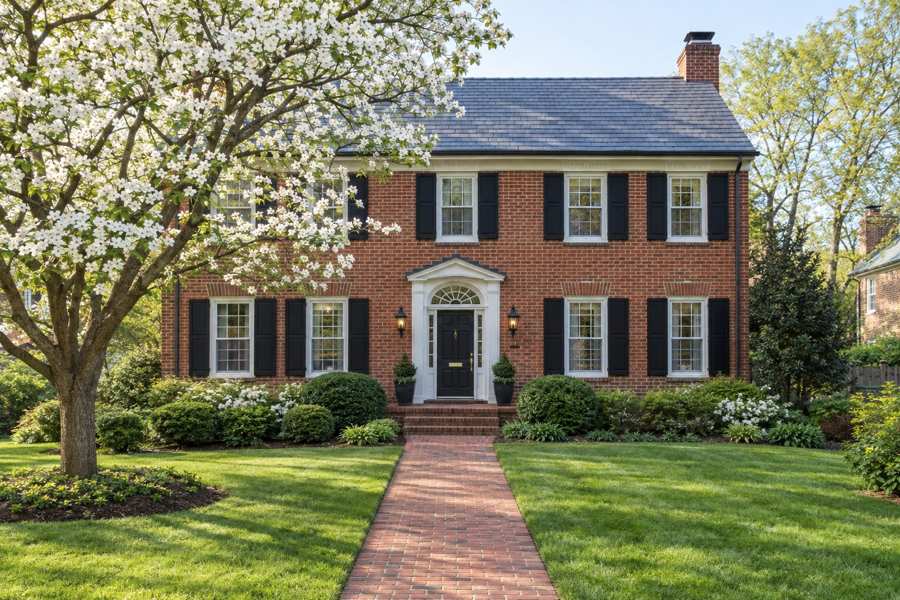
Before removing a tree to prepare a Chevy Chase property for sale, identify the parcel's actual municipality and the tree's location. The Town of Chevy Chase's live removal application uses a threshold of 24 inches in circumference at 4.5 feet above ground. That is not twenty-four inches in diameter, and the Town form is not a universal rule for every address using a Chevy Chase postal label.
This guide separates Town, Village, Section Five, county and roadside records. It explains how to prepare arborist findings, decisions, site-work permits and replacement conditions without diagnosing an unseen tree or assuming a private sale removes an outstanding obligation. No private survey, tree assessment, permit or title record was reviewed.
Identify the Municipality Before Applying a Tree Rule
Start with the actual parcel and municipal jurisdiction rather than a postal name or neighborhood label. Different Chevy Chase governments publish different tree procedures. Keep the address, parcel identifier and source of the jurisdiction check together. Ask the responsible office about the specific tree and work before borrowing a threshold, deadline or approval route from another municipality.
Montgomery County's Tree Permits, Removal and Concerns page asks whether the property is in a municipality and advises checking its tree rules. The Town of Chevy Chase, Chevy Chase Village and Chevy Chase Section Five each publish separate removal materials. Similar names do not establish that one form governs all three places or unincorporated county property.
The Jamil Brothers' Chevy Chase seller guide warns against treating municipalities as interchangeable. Its marketing discussion is useful context for identifying the property accurately, not authority to change a price or carry out landscaping. Use the actual government records for permits and keep commercial seller advice separate from official requirements.
Parcel sheet: Address, tax or parcel identifier, municipality or unincorporated status, source date, tree location and unresolved jurisdiction questions. Record who maintains the adjacent road and whether the tree is on private property, a shared boundary or a right-of-way. A tax mailing address alone does not settle every one of those questions.
Map the Tree Location and Separate Private From Roadside Work
Place each relevant tree on a site sketch and distinguish a front lawn from the legal right-of-way. A tree near the street may require a different review even when an owner maintains the grass around it. Note boundaries, easements and proposed construction. Where location or ownership is uncertain, obtain qualified evidence before representing that the seller alone can authorize removal.
Montgomery County's Roadside Tree Plan Permit Process describes review when construction is likely to affect trees in the "public right of way", or before work on a roadside tree. It explains how the plan may be part of a right-of-way, sediment-control or building-permit application. A private-yard removal form is not necessarily enough for that work.
Maryland DNR's Roadside Tree Program discusses requests with location, work description and site-plan information. It also addresses written consent when a tree is on a boundary between properties. The Town's live removal application separately describes shared-ownership consent. Do not treat proximity to a fence as conclusive ownership or invent a neighbor's consent.
Location evidence: Dated sketch, relevant survey or boundary record, photographs and actual permit description. Mark the specific tree rather than saying 'front tree' where several exist. If planned excavation, a driveway change or utility work may affect roots, carry that scope into the review instead of describing the project only as a trunk removal.
Read the Town Application Without Confusing Measurement or Process
For a parcel in the Town, use its current application and actual written decision. Record circumference at the stated height rather than substituting diameter or a visual estimate. Keep the arborist findings and any conditions together. A downloaded sale form and an active application may describe procedures differently, so confirm the applicable route rather than combining every phrase into a new rule.
The Town's Tree Removal Permit Application states the 24-inch circumference threshold at 4.5 feet and describes notice, an arborist inspection and further review for canopy trees that do not meet the listed condition grounds. It distinguishes removal without conditions from decisions that may involve replacement or an impact fee. The word 'canopy' is not simply a seller's impression of shade.
The Town application says most approved removals have a "seven day posting requirement". Its downloadable Town sale-disclosure form describes a public-hearing route for certain removals, while the live application describes Town Manager review. These are not merged into a universal hearing rule. Ask the Town which procedure governs the actual request and preserve the resulting decision and conditions.
Town file: Application, exact tree identity, measurement record, arborist findings, notice evidence, written decision and any replacement or fee condition. Do not schedule cutting from a verbal expectation of approval. A receipt confirms submission or payment, not permission to start or completion of a required posting period.
Keep Village and Section Five Records Separate
A Village or Section Five property needs its own applicable process. Similar circumference language does not make permit issuers, arborist findings or review steps interchangeable. Preserve the actual municipal application, decision and conditions. Use older guides as orientation only and check the current source before repeating fees, appeal deadlines or a claim that a healthy tree can be removed.
Chevy Chase Village's live Tree Removal Permit Application uses "twenty-four (24) inches in circumference" at four and one-half feet above ground. It calls for the Village arborist's findings and contractor information. It also says work may not be performed until the permit is issued and posted to be visible from the street. A Town approval is not a Village approval.
The Village's older User's Guide to the Municipal Permitting Process distinguishes a filed application from permits and exceptions. Use that distinction to keep official status precise, not to treat every older fee or procedural summary as current. A tree that appears healthy or dangerous to the owner still needs the applicable professional and municipal review.
Chevy Chase Section Five's Trees page states a "permit is required" to remove a private tree and instructs residents to wait for issuance before work begins. Its Permitting page is a separate local project resource. Municipal file: Keep each authority's actual record instead of labeling a packet generically 'Chevy Chase approved.'
Preserve Arborist Findings and Bound Any Emergency Claim
Tree size, lean or missing leaves do not establish a removal exemption by themselves. Save a qualified assessment with its date, specific hazard, scope and recommended work. Separate emergency hazard reduction from unrelated clearing. Confirm the responsible authority and notification requirements for the actual site instead of using an emergency label to bypass the rest of the review.
Montgomery County's Tree Permits, Removal and Concerns page distinguishes hazard removal from further work. Its example says nonhazardous parts must remain until required permits are obtained. The practical lesson is scope: a dangerous branch is not automatically authority to clear every tree around the house or undertake construction without its own review.
Maryland DNR's Roadside Tree Law Review tells applicants to seek a roadside permit "before any tree care work" and describes agency inspection and review. For a Montgomery County resident, the DNR Roadside Tree Program also points to the county permit office. Confirm the actual authority and current emergency process rather than inferring that one page erases another government's requirements.
Assessment record: Qualified professional, date, tree identification, observed condition, hazard description, limited action taken and required notification or follow-up. If a seller only recalls a storm cleanup, state that limitation. Do not describe a contractor invoice as an arborist finding or an after-the-fact photograph as proof of an emergency exemption.
Separate County Development Rules From a Small Yard Project
County canopy, forest-conservation and roadside rules address different activities. Removing a small number of private trees is not automatically the same as development requiring a sediment-control permit. Conversely, a project described as landscaping may include enough grading or construction to need further review. Determine the actual work and parcel constraints before using a generic county summary.
Montgomery County's Tree Laws and Programs page ties Tree Canopy Law development obligations to work requiring a "sediment control permit". It explains that many small residential tree projects do not trigger that law. This boundary does not remove municipal tree rules, conservation-easement conditions or roadside permitting. Keep the laws separate rather than claiming either that every tree is covered or that none is.
The same county page describes Forest Conservation Law as generally applying to properties over 40,000 square feet when specified subdivision or sediment-control circumstances occur. Its summary has qualifications and mitigation distinctions. A seller should use that as a prompt for project review, not decide the entire property's status from lot area alone.
Project scope: Tree removal, disturbed area, grading, soil movement, building work and easements. Montgomery County's Tree Permits page also tells readers to check conservation easements and association rules where relevant. Preserve the actual restriction documents and permits rather than assuming a contractor small-project label settles environmental review.
Carry Replacement Conditions and Site Completion Evidence Forward
An approved removal may have remaining conditions after the tree is gone. Keep replacement, fee, planting and inspection evidence alongside the original approval. Distinguish the actual permit conditions from a separate incentive program. A bare stump or a new sapling does not prove every obligation was satisfied, and a buyer needs a clear description of what remains unresolved.
The Town's live application describes replacement planting or an impact fee in the stated approval circumstances. Its Private Tree Removals and Appeals procedure document separately outlines canopy-tree review and appeals. Use those materials to understand the need for a written decision; do not assume every removal has the same condition or that every fee payment closes the matter.
Chevy Chase Village's live application describes a "Tree Incentive Program" tied to planting and reimbursement. An incentive is not interchangeable with a permit's required replacement condition. Keep the application, eligibility terms and any reimbursement record separate from the removal authorization and actual completion evidence.
Condition ledger: Authority, permit number, affected tree, required action, responsible person, due date stated in the actual record, evidence submitted and status confirmed. If a replacement tree died or an inspection is pending, describe it. Do not invent a standard deadline or assure a buyer that an obligation vanished because ownership is changing.
Prepare Sale Disclosures Without Turning a Form Into Clearance
Keep applicable municipal sale materials with the tree and site packet. A buyer acknowledgment is not a removal permit, and a permit is not a substitute for describing known incomplete work or restrictions. Confirm the current form and transaction requirements with the responsible office and advisers. Do not use a general disclosure download as a parcel-specific legal opinion.
The Town of Chevy Chase sale-disclosure form includes notice of tree protection and states that tree requirements are in addition to county requirements. Its process description should be checked against the active Town materials noted earlier. Preserve the applicable signed form without treating it as authorization for a new removal or proof that existing conditions are complete.
The Jamil Brothers' seller guide discusses preparation and municipality-specific context. Apply only its document questions to this file, not its pricing or marketing prescriptions. A commercial article is neither a title restriction search nor evidence that the buyer has received every applicable municipal disclosure.
Sale packet: Actual approvals, arborist findings, conditions, easements, site-work completion, applicable sale form and a dated list of missing records. Ask transaction counsel how open obligations and known history should be addressed. If an old document conflicts with a current authority page, flag the conflict rather than silently selecting the easier route.
Compare Tree and Site Records Across Sale Options
Compare a listing, work-first plan and direct offer using the same remaining questions. Separate record retrieval, professional assessment, permitted work and contract allocation. A buyer may accept remaining landscaping or paperwork, but private agreement does not create a removal approval. Compare actual net terms and responsibilities instead of assuming cleared land or mature trees guarantee a premium.
Bethesda Magazine's older reporting on the Town tree-ordinance review and county replacement planting documents historical policy context. It helps explain why canopy and development records matter, but its earlier dates are explicit: it is not the current authority for a seller's permit, fee, deadline or tree condition.
The county's current Tree Laws and Programs page and the municipal live materials govern the practical questions in this guide. Offer fields: Purchaser identity, deposit, net proceeds, review rights, remaining conditions, work responsibility and timing. A proposed fast closing should not hide a pending replacement or an unresolved boundary question.
If a buyer says it will handle the site, identify the actual permit and condition obligations in writing. A tree-removal decision does not authorize a new building footprint, and a building proposal does not settle a shared-tree question. Keep current scope and historical work distinct so neither party relies on an unsupported 'all approved' summary.
| Record | What it supports | What remains separate |
|---|---|---|
| Parcel and tree sketch | Actual jurisdiction and location | Postal label or visual boundary |
| Qualified tree assessment | Dated condition and scope | Automatic exemption or future safety |
| Municipal decision and posting | Authorized removal within terms | County or roadside approvals |
| Site and roadside permits | Actual project review | Unrelated private-tree work |
| Replacement and completion records | Evidence of stated conditions | Incentive reimbursement or new development |
| Sale form and written offer | Acknowledgment and actual allocation | Permit approval or guaranteed price |
Frequently Asked Questions
These answers separate a postal name from jurisdiction, a hazard assessment from permission, and a sale agreement from official completion. They are not parcel-specific legal advice, a survey or an arborist report. Identify the tree, municipality and actual work, then check the applicable current records before promising removal, timing or satisfaction of remaining conditions.
Does a Chevy Chase address establish the tree authority?
A postal label does not identify every municipal or roadside rule. Confirm the actual parcel jurisdiction and tree location before selecting a procedure.
Is the Town threshold measured in diameter?
The cited Town application uses circumference at the stated height. Do not substitute a diameter estimate or apply the Town threshold to every nearby municipality.
Is a submitted application permission to cut?
Submission or payment does not establish that the permit has been issued. Keep the written approval and satisfy its applicable posting and other conditions before work.
Can I use a Town permit for a Village property?
Town and Village procedures have separate authorities and records. Use the actual municipality decision rather than a generic Chevy Chase approval label.
Does a dangerous branch authorize clearing the whole tree?
Hazard reduction and unrelated removal can have different permitted scopes. Obtain qualified findings and confirm the applicable emergency and follow-up requirements.
Does every private removal trigger county canopy mitigation?
The county canopy-law summary links development obligations to specified permitting circumstances. Municipal, roadside and easement rules can remain relevant even when that county trigger is absent.
Does a replacement sapling prove the permit is closed?
A planting photograph does not establish that every stated condition was accepted. Preserve the actual requirement and the applicable completion or confirmation record.
Is a municipal sale acknowledgment a tree permit?
A buyer acknowledgment and a removal authorization serve different purposes. Keep both applicable records and describe open work separately.
Can a direct buyer take on remaining site work?
A buyer may propose terms covering unfinished work or records. Private terms do not themselves issue permits, settle ownership or finalize official conditions.
How Maison Off-Market Reviews a Chevy Chase Sale Option
Maison Off-Market describes reviewing the property and land before proposing price and timing. A Chevy Chase seller can compare its written option using the same tree, site and permit packet used for a listing plan. The company is not the municipal tree authority and does not certify tree condition, authorize removal or cancel outstanding official conditions.
Maison Off-Market's homepage describes closing with "your attorney or title company", flexible dates, no commissions and no seller closing costs. Verify those terms in the actual property proposal, including purchaser identity, deposit and net proceeds. A preference for no seller repairs does not grant removal permission or change an existing permit condition.
Decision evidence: The actual proposal and its written assumptions, not a verified Chevy Chase tree-clearance or value-increase case study. Compare it with a listing plan using the same open obligations. A direct sale is an option to evaluate, not a substitute for required authority review or a promise that landscaping will raise the price.
Compare your options before committing. Request a written private offer for your property, with no obligation, then weigh it against your listing plan.
Sources
- Town of Chevy Chase, Checked October 6, 2026. Live Tree Removal Permit Application. https://www.townofchevychase.org/FormCenter/Trees-3/Tree-Removal-Permit-Application-103.
- Town of Chevy Chase, Checked October 6, 2026. Private Tree Removals and Appeals Procedure. https://md-chevychase.civicplus.com/DocumentCenter/View/1346/Private-Tree-Removals-and-Appeals-SOP?bidId=.
- Town of Chevy Chase, Checked October 6, 2026. Town Sale Disclosures. http://townofchevychase.org/DocumentCenter/View/4581/Disclosure-Form-for-TOCC.
- Chevy Chase Village, Checked October 6, 2026. Live Tree Removal Permit Application. https://www.chevychasevillagemd.gov/FormCenter/Tree-Permits-8/Tree-Removal-Permit-Application-54.
- Chevy Chase Village, Checked October 6, 2026. Municipal Permitting User Guide, 2022. https://www.chevychasevillagemd.gov/DocumentCenter/View/125/CCV-Users-Guide-to-Local-Permitting-Process--2022-PDF.
- Chevy Chase Section Five, Checked October 6, 2026. Trees and Private Removal. https://www.chevychasesection5.org/1236/Trees.
- Chevy Chase Section Five, Checked October 6, 2026. Permitting. https://www.chevychasesection5.org/1228/Permitting.
- Montgomery County, Checked October 6, 2026. Roadside Tree Plan Permit Process. https://www.montgomerycountymd.gov/department-permitting-services/all-permits/right-way-permits/roadside-tree-plan-permit-process.
- Montgomery County, Checked October 6, 2026. Tree Laws and Programs. https://www.montgomerycountymd.gov/department-environmental-protection/property-care/trees-forests/tree-laws-programs.
- Montgomery County, Checked October 6, 2026. Tree Permits, Removal and Concerns. https://www.montgomerycountymd.gov/department-environmental-protection/property-care/trees-forests/tree-permits-removal-concerns.
- Maryland Department of Natural Resources, Checked October 6, 2026. Roadside Tree Law Review. https://dnr.maryland.gov/forests/pages/programapps/roadside-tree-law-review.aspx.
- Maryland Department of Natural Resources, Checked October 6, 2026. Roadside Tree Program. https://dnr.maryland.gov/forests/Pages/programapps/roadsidetrees.aspx.
- Jamil Brothers Realty Group, Checked October 6, 2026. Selling a Home in Chevy Chase, March 2026. https://www.thejamilbrothers.com/blog/selling-home-chevy-chase-md-guide.
- Bethesda Magazine, Checked October 6, 2026. Town Tree Ordinance Review, Historical 2012 Reporting. https://bethesdamagazine.com/2012/10/22/town-of-chevy-chase-to-review-tree-ordinance/.
- Bethesda Magazine, Checked October 6, 2026. County Tree Replacement, Historical 2015 Reporting. https://bethesdamagazine.com/2015/04/27/moco-begins-replacing-trees-lost-to-mansionization/.
- Maison Off-Market, Checked October 6, 2026. Current Homepage and Sale Process. https://bulkscaler.com.
Related research
Seller Guide · 2026-10-08
How to Prepare Bloomfield Hills Tree and Woodland Sale Records
Separate tree approvals, replacement duties and wetland limits before selling wooded property.

Seller Guide · 2026-10-07
How to Prepare Georgetown Historic Exterior Sale Records
Separate historic design approval, building permits and actual exterior work before selling.
Seller Guide · 2026-10-07
How to Prepare Tenafly Tree Permit Sale Records
Connect tree removal approvals, mitigation planting and accepted inspections before promising landscape changes.