Seller Guide · by Aidan Sowa · October 6, 2026
How to Prepare Charlotte Park Flood and Drainage Records Before Selling
Separate mapped flood risk, drainage history and insurance evidence before comparing sale terms.
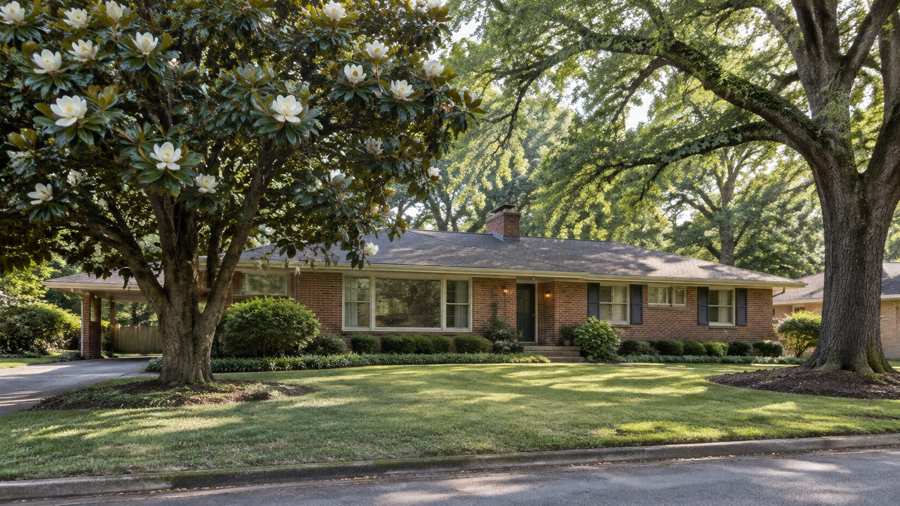
A Charlotte Park seller may have a flood-map screenshot, an insurance renewal and receipts for a sump pump. Those records answer different questions. Before describing the home as outside the floodplain or protected from water, separate the current map designation, known water history, drainage work and actual coverage. A neighborhood name cannot supply the missing property evidence.
National context: FEMA's August 2025 Questions and Answers for Real Estate Professionals says almost one-third of NFIP claims from 2014 through 2024 came from areas outside current high-risk flood areas. That national claims statistic is not Charlotte Park's flood rate. It explains why a mapped boundary should not replace the seller's known history or a property-specific investigation.
This guide builds a seller handoff for an existing home: effective maps and later determinations, elevation evidence, water-event and repair records, drainage responsibilities, permit closeout and insurance questions. It does not designate any Charlotte Park address as safe or hazardous, price coverage, interpret a private easement or determine the legally required disclosure for a particular transaction.
What a Flood and Drainage File Needs to Establish
A useful file separates mapped risk, observed water events, drainage systems, approvals and insurance. Each needs its own dated evidence. Start with the exact property and building identity, then preserve what is known and what remains unresolved. An effective flood map does not tell the complete history of the house, and a repair receipt does not establish that future flooding cannot occur.
FEMA's Flood Maps page explains that heavy rain, poor drainage and nearby construction can create flood risk even away from a body of water. It says flood maps are one tool, rather than the complete answer. A seller should therefore avoid treating the distance to a creek, an elevated-looking street or a neighbor's experience as a substitute for the actual records.
Metro Water Services' Know Your Flood Hazard page defines Special Flood Hazard Areas through the one-percent annual-chance event. That term describes an annual probability, not a flood scheduled once every century. Metro also states that property outside the mapped SFHA is not guaranteed safe from flooding. Keep that distinction visible when translating a map label into ordinary language.
Identity sheet: Record the address, parcel reference, building location and any separate unit designation. Attach the identity sheet to the map, elevation certificate, repair file and policy. If a large parcel includes more than one structure, do not let evidence about the lot or one building become a statement about every building on it.
NewsChannel 5's report about England Park on Delray Drive describes West Nashville's flood history and urges address-level map checks. It is regional context, not a flood designation for all of Charlotte Park. The lesson for the handoff is to recover evidence for the home being sold, without assigning a nearby street's losses or a whole neighborhood's supposed safety to it.
How to Recover the Effective Flood Map and Later Changes
Recover the effective FEMA map for the actual address, record its panel and date, and check for later determination documents. Keep preliminary and historical products separate from effective information. Compare Metro records and ask the responsible office about unclear boundaries. A cropped screenshot without the product identity, date or building location is an incomplete record, not a reliable transaction conclusion.
FEMA's Map Service Center calls itself the official public source for NFIP flood-hazard information and warns that downloaded or printed effective information can be superseded. Save the map product identity and the date you retrieved it. A seller's old closing map may remain useful history, but it should not silently become the current map for a new sale.
Metro's Know Your Flood Hazard page identifies its Flood Information Risk and Storm Tool and the information Development Services can provide: zone, panel, index date, base flood elevation, elevation datum, floodway status and certificate copies. Request clarification when the online display is unclear. Do not assume the street address pin marks the exact lowest floor or every improvement.
Product register: Distinguish effective maps, preliminary updates, older panels and individual Letters of Map Change. FEMA's Flood Maps page describes preliminary review and the later amendment or revision process. A preliminary map can be important planning information without being interchangeable with the current effective designation. Keep the source labels rather than combining every boundary into an unofficial composite.
FEMA's Change Your Flood Zone Designation page calls the formal request a "Letter of Map Change". An application is not an approval. Recover the actual determination, its covered land or structure and its supporting references; then have the lender and Metro clarify its effect. Do not promise that a pending request will remove an insurance requirement before closing.
How to Use Elevation Certificates Without Overstating Them
An elevation certificate records specified building and elevation information for stated flood-management and insurance purposes. Recover the complete document and match it to the actual structure and current configuration. It is not a general condition inspection or a guarantee against flooding. Ask the responsible office and insurer whether the existing document answers their questions or needs professional review or updating.
Metro's Know Your Flood Hazard page says its Parcel Viewer and Flood Information Risk and Storm Tool provide access to elevation certificates when on record. Begin with the retained file rather than assuming a new survey is always needed. If nothing appears online, ask whether a certificate exists; an empty search does not prove the home never had one.
FloodSmart's Get an Elevation Certificate page explains location, building characteristics and first-floor height. It also says certificates do not themselves set the insurance rate, though they can identify discounts. That is why the seller should provide the document for an insurer's review rather than multiplying a neighbor's premium by the difference in apparent building height.
Document check: Preserve all pages, dates, photographs, measurements, datum references and the professional or preparer identification shown. Note later additions, enclosed areas or equipment changes that may affect the description. Do not edit an old certificate to make it resemble today's house; ask the appropriate professional which information needs to be re-established.
FloodSmart says most homeowners do not need an elevation certificate to obtain flood insurance, while some high-risk properties may need one to verify local compliance. Its real-estate brochure describes the certificate as an optional NFIP tool. These statements concern different purposes. A certificate's role in pricing, community compliance and a map-change request must be checked separately, not flattened into one universal requirement.
How to Organize Water Events and Repair Evidence
Keep a dated account of known water events, affected areas, observed causes and completed work, with supporting records. Separate what the seller directly observed from a diagnosis from a contractor or an insurance classification. A dry showing and a repaired wall do not establish the absence of prior damage. Mark gaps openly and seek qualified review when cause, condition or repair completion remains uncertain.
FEMA's Flood Maps page identifies poor drainage and heavy rain among potential causes of flood damage. Metro's Stormwater Maintenance page separately lists groundwater and private-property runoff among issues it does not manage. Those categories help organize questions, but they do not diagnose a damp crawl space. Avoid labeling every wet area a river flood or every stain a harmless plumbing leak.
Event log: Record the date or approximate period, observed water location, depth if known, duration and supporting photographs or messages. Clearly label estimates. Preserve contractor descriptions as their descriptions, and list the records that support them. If the source of water was never confirmed, state that uncertainty instead of supplying an attractive explanation for the listing.
Recover remediation scopes, invoices, photographs, inspection reports, warranties and any related claim correspondence the seller can properly provide. Separate removal of damaged materials from correction of the water entry path. A paid invoice proves a billed service; it does not establish that all concealed damage was found or that the drainage system has enough capacity for future storms.
FindLaw's reproduction of Tennessee's statutory disclosure form, dated January 2024, asks about "Flooding, drainage or grading problems?" and also asks about required flood insurance and flood-related structural damage. Use that text as a preparation lead, not a determination of today's form or exemptions. Have the transaction professional confirm current requirements and timing, using known facts rather than a map-only answer.
How to Separate Public Drainage From Private Maintenance
Identify which drainage features are public, private or governed by a recorded maintenance arrangement. Recover plans, easements, applicable maintenance documents and inspection history. A nearby street drain does not make all water problems public responsibility. Nor does a landscaped basin automatically belong only to the owner who uses it. Resolve responsibility and outstanding work before presenting the file to a buyer.
Metro's Stormwater Maintenance page says the public system is designed for typical rain and may not handle flash flooding or larger events. It lists public-roadway flooding, roadside ditches, driveway pipes and clogged storm drains among managed services. That stated service scope does not guarantee a particular drain's condition, storm capacity or a response time for an individual property.
The same page lists runoff between private properties, groundwater and certain private-property issues outside Metro's managed services. Keep a Metro service report separate from an engineer's drainage assessment and a private easement review. Submitting a concern does not mean Metro accepted responsibility for every affected area or approved a proposed owner-installed diversion.
Metro's Stormwater Control Measures page says owners must inspect and maintain SCMs on their property. It warns that new SCMs may not yet be mapped and water-quality buffers are not mapped in Parcel Viewer. Therefore, a no-hit parcel display is not proof of no SCM or buffer duty. Recover the permit and maintenance documents, and seek Metro clarification where needed.
Maintenance register: List rain gardens, swales, permeable pavement, detention features and relevant buffers only when identified for the property. Metro's SCM page states an annual-report requirement for grading permits issued from 2008 onward, with reports due July first, and gives a separate single-family route. Establish the actual permit program and applicable obligation instead of assigning that deadline to every Charlotte Park lawn.
How to Verify Drainage Work and Floodplain Approvals
Recover the approvals, plans, inspections and closeout evidence for work that actually required review. Distinguish an approved plan, issued permit, installed feature and completed final inspection. Do not promise that a future addition or repair can proceed unchanged from an old approval. Have Metro and qualified professionals identify the requirements for the actual scope, especially when floodplain rules may apply.
Metro's Stormwater Permits and Processes page separates grading, regulated residential infill and floodplain topics. It lists long-term maintenance plans and final use-and-occupancy signoffs among the process records. Those routes help locate the right file; they do not mean every existing-home sale is a new development application or that every owner must pay a new grading fee.
Metro's July 2026 Stormwater Development Guide describes recorded restrictions and maintenance plans where applicable, as-built submissions and final steps for reviewed projects. Recover the documents that applied to the actual work. An original site plan can describe the intended design without proving that a later driveway extension, filled swale or relocated outlet was approved or built to that plan.
Current-rule caution: Metro's posted 2026 floodplain manual describes residential elevation standards and special treatment for substantial improvements. Its detailed standards should not be replaced by a generic statement that all Nashville work uses one simple freeboard rule. This article does not calculate a home's required elevation, improvement threshold or permitted scope; obtain a project-specific determination before planning work.
Metro Codes' Public Records and Information page identifies ePermits inspection status, reports and a Document of Record Search Portal. It points to the "Available Reports" tab and says some retained records are not automatically online. Recover actual inspection and closeout evidence, or request retained files. A permit number, no-hit search or finished appearance is not proof of completed approval.
How to Compare Insurance, Maps and Condition Records
Compare insurance evidence, map status and repair records by the question each answers. A policy establishes stated coverage terms, a map establishes a mapped designation and repair documents describe particular work. None guarantees a dry future or automatic buyer financing. Have the insurer chosen by the buyer and lender evaluate the actual property and transaction, with current quotes and written answers about timing and requirements.
FEMA's August 2025 real-estate brochure says standard property insurance typically does not cover floods and explains separate building and contents coverage with separate deductibles. Recover the applicable declarations and terms, not only the premium receipt. Ask an insurance professional which water events and property interests are covered rather than assuming every form of water damage is treated identically.
The same brochure says the federal mandatory-purchase requirement applies to government-backed loans on buildings in SFHAs and that lenders can require coverage outside them. FEMA's map-change page says an approved determination may support a request to the lender to remove the federal requirement. Neither source promises that the lender must treat every seller's map screenshot as a final insurance decision.
Transaction timing: The brochure describes a typical thirty-day NFIP waiting period with loan-related exceptions and the possibility of transferring a seller's policy. Confirm the actual carrier, eligibility, transfer steps and effective coverage date with the agent. Do not promise that coverage automatically transfers with the deed, that the buyer inherits the exact price paid by the seller or that every policy starts immediately.
FEMA's brochure explains that premiums depend on multiple flood types and property characteristics, including elevation and rebuild cost. A Charlotte Park neighbor's annual price is not a quote for this buyer or home. Compare coverage limits, deductibles, exclusions and effective dates with actual written quotes; this guide gives no universal premium or insurance-saving percentage.
| Record | What it supports | What it does not establish |
|---|---|---|
| Effective flood map | Mapped designation and product date | No past or future flooding |
| Approved map-change determination | The stated land or structure finding | Automatic lender waiver |
| Elevation certificate | Recorded building and elevation data | Current condition warranty |
| Water-event and repair file | Known events and documented work | Every cause corrected |
| Drainage and SCM documents | Stated design and maintenance duties | Public ownership of every feature |
| Permit and final records | Approved scope and recorded closeout | Approval of later changes |
| Policy and written quote | Stated coverage and proposed terms | Identical price for a new owner |
How to Choose the Next Step Before Comparing Sale Routes
Choose the next step from the unresolved question. Use Metro for retained public records and responsibility clarification, qualified professionals for elevation or drainage assessment, insurance agents for coverage and transaction counsel for disclosure and private rights. Then compare sale routes with the same dated file. Selling directly does not remove the need to describe known facts accurately or verify applicable obligations.
Gap list: Give each missing fact an owner and a requested answer. A missing panel date needs current mapping; an unclear certificate needs professional review; a blocked public drain needs the proper service route; an unmapped basin needs permit and maintenance clarification. Do not combine those separate tasks into a blanket statement that the property has no flood problem.
Metro's Report a Stormwater Concern page requires the correct problem address when action is needed at a specific location. Retain any existing service-request reference and the recorded response. The report itself is not a repair completion, drainage design approval or guarantee that the concern falls within public maintenance. Active danger needs the appropriate emergency response, not a seller-document checklist.
Maison Off-Market's public process describes reviewing the home and land and offering a direct purchase if the property fits. A Charlotte Park seller can compare that route with a listing after organizing the same water history, documents and known gaps. The public description does not establish a private offer, a guaranteed acceptance or an exemption from disclosure, insurance or permit requirements.
Keep the file current through the transaction. New water events, inspection results, maintenance work, map information or insurance terms may change the relevant facts. Preserve earlier records and add dated updates instead of erasing inconvenient history. The strongest handoff is not an unsupported promise of safety; it is a clear account of what is documented, what was done and what remains unresolved.
Frequently Asked Questions
These answers address common seller and buyer questions about flood maps, past water events, elevation documents, drainage maintenance and insurance. They do not designate a Charlotte Park property or diagnose damage. Use the actual records and advice from Metro, qualified professionals, the insurer, lender and transaction counsel to establish the answers for the specific home and sale.
Does being outside the mapped floodplain mean the house cannot flood?
No, Metro and FEMA warn that mapped lower-risk areas can still flood. Keep known water history and drainage evidence separate from the map designation.
Is a hundred-year flood expected only once each century?
No, the term refers to a one-percent annual-chance event. It does not promise a century between floods.
Can I use the flood map from my old closing?
Keep it as historical evidence, but verify the current effective product and later changes. FEMA warns that printed or downloaded maps may be superseded.
Does an elevation certificate guarantee a lower insurance price?
No, FloodSmart says a certificate does not itself set the rate. Ask the insurer to evaluate its information and any available discount for the actual property.
Does a pending map-change application remove the insurance requirement?
No, an application is not an approved FEMA determination. Even after approval, obtain the actual lender decision and coverage advice.
Will Metro fix all runoff affecting my yard?
No, Metro distinguishes public maintenance from private-property runoff and other owner responsibilities. Clarify the actual feature and service scope rather than assuming public responsibility.
Does no SCM on Parcel Viewer mean there is no maintenance duty?
No, Metro says new SCMs and water-quality buffers may not appear there. Recover the applicable permits and maintenance documents and request clarification.
Does the existing flood policy automatically transfer at closing?
Do not assume that, even though NFIP guidance describes possible policy transfer. Have the insurance agent confirm the actual steps, eligibility and effective coverage.
Does selling as-is remove the need to address known flood history?
Do not treat a sale label as a disclosure exemption. Have the transaction professional confirm current requirements and accurately organize the facts already known.
How Maison Off-Market Fits a Flood Record Handoff
Maison Off-Market offers a direct-purchase route to compare with a listing after the property, water-history and approval records are organized. Its public process includes reviewing the home and land and making an offer if it fits. This is not a flood-risk assessment, insurance quote, permit approval or guaranteed purchase of a Charlotte Park home.
Maison Off-Market's public site describes buying luxury homes and estates directly from owners without showings, commissions, closing costs or seller repair work. Those are public service claims, not a private offer or waiver of known facts and legal requirements. A buyer's willingness to consider the property does not establish that the drainage is adequate, repairs are complete or coverage is available.
Compare actual terms: Give each sale route the same relevant map, water-event, repair, maintenance and approval information. Ask how unresolved issues affect the proposal and who handles the remaining work. Review the written price, timing and responsibilities with the appropriate professionals rather than treating a quiet sale as proof that water-related questions no longer matter.
Compare your options before committing. Request a written private offer for your property, with no obligation, then weigh it against your listing plan.
Sources
- FEMA National Flood Insurance Program, August 2025. Questions and Answers for Real Estate Professionals. https://agents.floodsmart.gov/sites/default/files/media/document/2025-09/questions-answers-real-estate-professionals-brochure-08-2025.pdf.
- FEMA, January 2024. Flood Maps. https://www.fema.gov/flood-maps.
- Metro Nashville Water Services, July 2025. Know Your Flood Hazard. https://www.nashville.gov/departments/water/community-education/flood-risk-information/know-your-flood-hazard.
- NewsChannel 5, Hannah McDonald, Date not exposed in retrieved body. Experts Say This Should Be at the Top of Your Checklist Before Buying a Home. https://www.newschannel5.com/news/experts-say-this-should-be-at-the-top-of-your-checklist-before-buying-a-home.
- FEMA Map Service Center, Current public service. Welcome and Map Search. https://msc.fema.gov/.
- FEMA, January 2026. Change Your Flood Zone Designation. https://www.fema.gov/flood-maps/change-your-flood-zone.
- National Flood Insurance Program, Current public guide. Get an Elevation Certificate. https://www.floodsmart.gov/get-insured/elevation-certificates.
- Metro Nashville Water Services, March 2026. Stormwater Maintenance. https://www.nashville.gov/departments/water/stormwater/stormwater-maintenance.
- FindLaw, January 2024 statutory reproduction. Tennessee Code Section Sixty-Six Five Two Hundred Ten, Disclosure Form. https://codes.findlaw.com/tn/title-66-property/tn-code-sect-66-5-210/.
- Metro Nashville Water Services, April 2026. Stormwater Control Measures. https://www.nashville.gov/departments/water/stormwater/pollution-prevention/stormwater-control-measures.
- Metro Nashville Water Services, September 2026. Stormwater Permits and Processes. https://www.nashville.gov/departments/water/developers/stormwater-permits.
- Metro Nashville Water Services, July 2026. Stormwater Development Guide. https://www.nashville.gov/sites/default/files/2026-08/Stormwater_Development_Guide-07.30.2026_ADA.pdf?ct=1785794418.
- Metro Nashville Water Services, Posted May 2026. Stormwater Management Manual Chapter Five: Floodplain Requirements. https://www.nashville.gov/sites/default/files/2026-05/Chapter_5_Final_2026.pdf?ct=1777924653.
- Metro Nashville Codes, December 2025. Public Records and Information. https://www.nashville.gov/departments/codes/codes-administration/public-records-and-information.
- Metro Nashville Water Services, Current public service. Report a Stormwater Concern. https://www.nashville.gov/departments/water/stormwater/stormwater-maintenance/report-concern.
- Maison Off-Market, Current public site. Direct Purchase Process. https://bulkscaler.com.
Related research
Seller Guide · 2026-10-08
How to Prepare Bloomfield Hills Tree and Woodland Sale Records
Separate tree approvals, replacement duties and wetland limits before selling wooded property.

Seller Guide · 2026-10-07
How to Prepare Georgetown Historic Exterior Sale Records
Separate historic design approval, building permits and actual exterior work before selling.
Seller Guide · 2026-10-07
How to Prepare Tenafly Tree Permit Sale Records
Connect tree removal approvals, mitigation planting and accepted inspections before promising landscape changes.