Seller Guide · by Aidan Sowa · October 6, 2026
How to Prepare Burlingame Sewer and Protected Tree Records Before Selling
Match transfer requirements to dated certificates, tree disclosures and completed work.
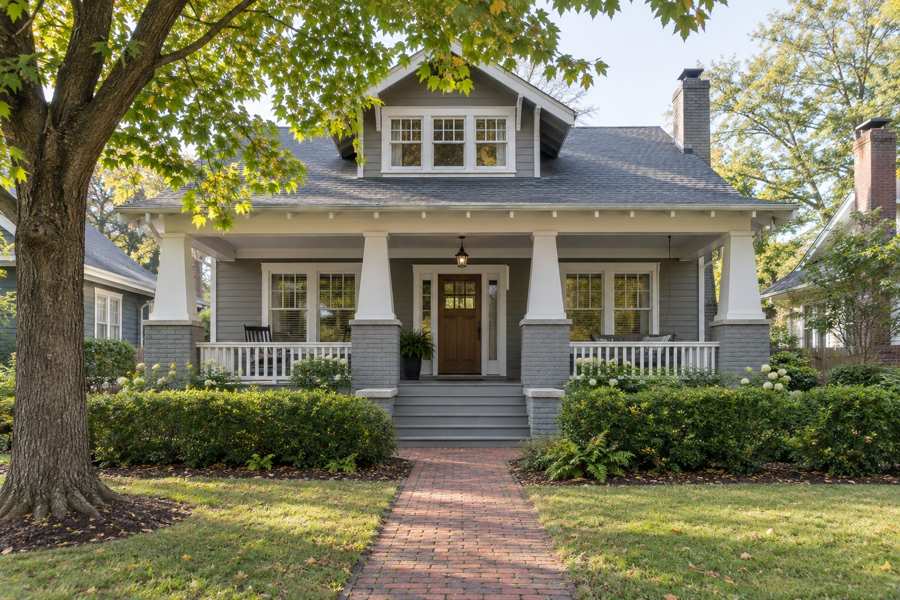
Burlingame's protected-tree disclosure rule requires delivery at least seven business days before a residential transfer concludes. Its sewer-lateral ordinance separately applies to qualifying transfers involving buildings or structures older than twenty-five years, subject to listed exceptions. These are different tasks, with different evidence and timing; a buyer willing to accept the home's condition does not by itself satisfy either one.
This guide explains how to prepare the actual lateral certificate, repair or replacement records, protected-tree inventory, disclosure form and improvement history before comparing sale routes. It separates a limited infiltration test from pipe-condition due diligence and a tree disclosure from removal permission. No private certificate, parcel file, arborist assessment or sale contract was inspected; confirm the actual City's requirements and property records before promising a clear closing.
Confirm City Jurisdiction and the Transfer Trigger
Confirm that the property is within the City of Burlingame and identify the actual transfer and building history. A postal address alone does not establish municipal jurisdiction. The sewer rule depends on qualifying older buildings and its listed exceptions, while the tree disclosure has its own scope. Keep these determinations separate rather than assume every address requires identical work or qualifies for the same exemption.
Burlingame's current Municipal Code section on inspection and correction upon sale applies when transferred property includes buildings or structures constructed more than twenty-five years before transfer. It requires testing for infiltration and necessary corrective work, with repairs or replacement "prior to transfer of title". Establish the structure history from records rather than infer age from a Craftsman appearance or the age of the street.
The current code excludes condominium or cooperative apartment buildings and their units, except as a condition of conversion to that form. That exception is not proof that the piping is in good condition, nor does it answer every building or association maintenance question. Ask the City how the actual ownership type and proposed transfer fit the ordinance before describing the property as exempt.
Trigger sheet: Actual jurisdiction, parcel and unit, building history, ownership form, proposed transfer and basis for any claimed exception. The San Mateo County Association of REALTORS' point-of-sale article also describes older-building and condominium distinctions, but it is dated January 2007. Use it as professional context and check the current City code rather than rely on an old article as the final authority.
Retrieve the Actual Certificate and Accepted Work Records
Find the written sewer test certificate and records of accepted repairs, alterations or complete replacement. Burlingame's online index is a research aid, not proof that every pipe condition or exemption is settled. Match the exact address, date and work scope, then verify the underlying records. A contractor invoice or a database entry alone should not become a promise that the lateral is fully certified for this sale.
The City's Sewer Lateral Test database page says its records cover City-witnessed tests and certain repairs or replacements since late 1986. It directs readers to verify written records held by the Building Department, owner and others, and asks for verification if dates are questioned or a result is missing. An empty search is a missing lead, not proof that the property never had a test.
Current Municipal Code distinguishes ten years after accepted testing with no or partial permitted repairs, ten years after inspected and approved post-test alterations, and twenty-five years after accepted complete replacement. The start point is accepted or approved work as stated in the rule, not simply the invoice date. Keep the actual certificate and acceptance evidence together so the relevant period can be established.
Scope labels: Tested existing lateral, tested partial repair, approved altered connection or complete replacement. The City's procedure page describes complete replacement from the building to the City cleanout differently from a repair. Do not assign the longer period to work that replaced only one section, and do not claim remaining validity without confirming the actual dates and City acceptance.
Separate the City Infiltration Test From Camera Inspection
Treat the City's ordinance test and a private camera inspection as different evidence. The municipal test addresses infiltration into the public sewer system; it does not certify every aspect of pipe condition or replace other due diligence. Obtain the City-witnessed result required for the actual transfer while preserving separate reports about roots, alignment, material, blockage or maintenance concerns.
Burlingame's Sewer Lateral Test Ordinance procedure page says "Video inspection is not accepted" for that ordinance process and requires the test to be witnessed by a City representative. It describes water or air testing performed by a contractor or plumber. This guide does not provide a do-it-yourself pressure-test recipe; fixtures, pipe condition and test setup require qualified handling under the City's procedure.
The City's database disclaimer describes the test as limited to whether excess groundwater may enter the City main. It says the database does not confirm alignment, grading, materials or freedom from defects, roots or blockage. A passing certificate therefore supports the stated ordinance result, not a guarantee that a buyer will never experience a backup or need further pipe work.
Two-column evidence: City certificate and its date on one side; private scope report, video, maintenance observations and known problems on the other. If a private report identifies an issue after an earlier City test, keep that finding visible rather than present the certificate as an answer to everything. A buyer's preferred investigation does not automatically replace the municipal test.
Resolve Exemption Questions Without Self Certifying
Use the current code and an actual City determination for uncertain exemption claims. Burlingame's database summary and code describe a short-pipe exception differently, so a seller should not pick whichever wording seems easier to meet. Existing certificates, ownership form and approved replacement history also require verification. Keep the reason for any exemption documented rather than label the sale clear based on a visual guess.
Current Municipal Code says the engineer may determine testing unnecessary where piping has fewer than three joints and total length does not exceed ten feet. The City's database page instead describes circumstances involving piping under six feet with no maintenance-problem history. Those descriptions are not identical, and this guide does not silently merge them into one homeowner checklist.
The current code is the governing text cited here, but it still requires the "city engineer determines" condition for that exception. A homeowner's estimate of distance or a plumber's description is not itself the City's determination. Request confirmation for the actual arrangement and keep it with the transfer documents rather than represent that any short lateral is automatically excused.
The City procedure page says the owner is responsible for determining whether testing is needed and directs readers to the exception section. That responsibility is a reason to begin early, not authority to waive the test yourself. If records conflict, identify the certificate, drawing, date or City response needed to resolve the question before an offer's short closing date becomes a problem.
Connect Repairs to Permits, Retesting and Final Approval
Prepare repair or replacement evidence with the relevant permits, test result and City approval. A paid contractor invoice documents expenditure but does not establish that ordinance work is complete. Keep public-right-of-way and private-property work distinct, and identify any unfinished inspection or retest. Cost allocation belongs in the sale agreement rather than in an assumption about who ordered the work.
The City's ordinance procedure page says a failed lateral must be repaired or replaced and retested until it passes. It also says "one free retest" is allowed after the first failure and requires a plumbing permit for repair or replacement. That published retest statement is not a quote for the entire job, permit fees or additional work; obtain current property-specific scope and charges.
The City's Public Works Online Permitting Portal distinguishes sale-related sewer testing from testing overseen under a building permit. It also states that work in streets, sidewalks and public or utility easements needs an encroachment permit before work starts. The lateral procedure separately describes plumbing permission for private-property work. Match permits to the actual work area rather than assume one approval covers every part.
Burlingame's Encroachment Permit Procedures document, labeled December 2019, explains completion review and bond-refund signoff. Its older submission instructions should not override the current online portal. Preserve approval and inspection records even if a refund is outstanding, and ask what the actual final status is. The City procedure expressly leaves testing and repair payment allocation to the sale parties, so put that allocation in the written terms.
Identify Protected Trees Beyond Trunk Size
Prepare a tree inventory using the full protected-tree definition, not only a quick trunk measurement. City trees, designated heritage trees, certain stands and required replacement or reforestation trees can matter alongside larger private trees. Keep planting obligations and prior permits visible. A small replacement tree may remain protected, and a tree near the boundary may need documentation before ownership or permit claims can be made.
Current Burlingame tree code includes private trees with forty-four inches of circumference, measured fifty-four inches above natural grade, with specific rules for multiple stems and angled trunks. Circumference is not diameter; the code's parenthetical diameter reference should not become a forty-four-inch diameter threshold. Use qualified help for ambiguous measurement or status rather than assign a convenient category from a listing photo.
The same current definition covers City-owned or maintained trees, designated heritage trees or groves, certain interdependent stands, and required replacement trees "regardless of size", plus required development reforestation trees. The City's protected-tree disclosure form, revised January 2025, also asks for City street trees, size-based private trees, replacement/reforestation trees and private trees in an easement. An easement entry deserves review even if the tree does not look large.
Inventory packet: Locations, species if known, recorded measurements where relevant, ownership or City-maintenance evidence, earlier removal approvals and replacement conditions. The City's Important Information About Protected Trees page identifies Parks Division responsibilities for City trees and private permit processing. Do not assume a seller controls a street tree simply because it stands in front of the house.
Deliver the Tree Disclosure Without Promising Removal
Use the City's disclosure form and allow enough time for delivery before the transfer concludes. If protected status is uncertain, request available department records instead of leaving the issue unaddressed. Disclosure identifies the protected trees; it does not authorize removal, guarantee a buyer's development plans or replace a permit. Preserve the delivered form, attachments and receipt evidence in the sale packet.
Current Municipal Code and the City's January 2025 form require disclosure "Not less than seven business days" before a residential transfer concludes. The form asks sellers to list protected trees and attach a location map, and includes buyer receipt acknowledgment. Work backward from the actual closing with your transaction professional, accounting for business-day timing rather than treat this as a seven-calendar-day task.
The current code says a seller unable to determine protected status must request available documentation from the department. It also allows a specific written exemption by the director on the stated public-safety basis, but says it does not run with the land or excuse future sellers. An old owner's exemption is therefore not a reusable blanket waiver for the next transfer.
Burlingame's Private Protected Tree Removal Guidelines describe permits before removal, structural alteration or specified pruning and root work, as well as replacement requirements. A signed disclosure is not that permit. If an offer depends on clearing the site or removing a tree near a sewer trench, keep that proposal separate from the tree inventory and obtain the relevant review before representing the plan as approved.
Keep Tree Reports, Permit Conditions and Project Plans Distinct
Gather arborist observations, permit decisions and replacement conditions separately from future construction ideas. A report can support an application without guaranteeing approval, and completed landscaping may not match the accepted plan. Sewer work near trees may raise protection questions that a lateral certificate does not answer. Review the actual project records before offering a buyer an assured removal or expansion path.
The City's Private Protected Tree FAQ says a City arborist visually inspects and reviews documents for a permit decision, rather than producing a full private arborist report. It also says independent arborist and engineer reports do not guarantee approval. The FAQ's phrase "does not guarantee" should survive in the seller's description of a report that recommends removal near a structure.
The City's Trees and Development Projects page says retained trees need protection measures before construction activity and that a qualified arborist's Tree Protection Plan must be followed and verified before building permits are issued. It warns that deviations from an approved planting plan may delay or jeopardize final approval. A landscaped yard is not proof that replacement conditions or a development permit have been satisfied.
Work history: Approved plans, protection requirements, permit decision, conditions, completion evidence and unresolved notices. The removal guidelines and FAQ describe approval duration and appeal steps, so do not treat a pending request or expired decision as today's permission. Ask the department which current forms, rules and conditions apply rather than quote an old fee amount or assume a buyer can immediately implement the seller's concept.
Compare Sale Routes With the Same Record Packet
Compare listed and direct-sale proposals using the same sewer, tree and known-condition evidence. A buyer can negotiate repair responsibility and timing, but private marketing does not change municipal compliance or turn a limited certificate into a warranty. Put price, cost allocation, outstanding approvals and closing conditions in writing. Evaluate net proceeds rather than compare headline prices while ignoring unfinished transfer tasks.
California's current Civil Code disclosure timing provision requires the covered disclosure in a sale "as soon as practicable" before title transfer and addresses consequences of later delivery. The California Department of Real Estate's disclosure booklet is a 2005 general reference, not verification of all current law. Its distinction between condition disclosure and inspection remains useful context, but actual exemption and timing questions belong with current sources and counsel.
Comparable evidence: Exact certificate and dates, accepted repair scope, City exception determination if needed, protected-tree form and map, prior removal and replacement obligations, known problems and current permit status. Present the same unresolved items to each proposed route. A no-seller-repair proposal should explain who handles any required work and how the transfer conditions will be met.
Net comparison: Written price, deposit, testing and repair allocation, expected charges, seller credits, approval conditions and achievable closing date. The City does not choose the sale parties' payment allocation; the signed agreement matters. A direct buyer's willingness to proceed cannot certify the pipe, waive tree requirements or approve an unreviewed site plan.
| Record | What it supports | What remains separate |
|---|---|---|
| City lateral certificate | Dated ordinance infiltration result | All pipe condition and future performance |
| Accepted repair or replacement records | Work scope and applicable exemption period | Invoice alone or unapproved partial work |
| City exemption determination | Actual listed exception basis | Homeowner short-pipe estimate |
| Protected-tree form and map | Disclosed status and delivery evidence | Removal or redevelopment permission |
| Tree permit and planting conditions | Approved scope and obligations | Private report guaranteeing approval |
| Signed sale agreement | Cost allocation and transfer conditions | Waiver of applicable municipal rules |
Frequently Asked Questions
These answers separate City jurisdiction, the qualifying transfer trigger, ordinance test records, protected-tree disclosures and actual permit decisions. They do not determine a particular exemption, pipe condition, tree measurement, project approval or legal outcome. Confirm the property records and current City response before promising a clear transfer, and keep known problems or conflicting summaries visible in the sale packet.
Does every Burlingame postal address need the City lateral test?
Confirm actual City jurisdiction and the qualifying building and transfer history. The current ordinance includes specific exceptions that should be verified for the property.
Can camera footage replace the City test?
The City's procedure page says video inspection is not accepted for its ordinance test. A private camera report can address other condition questions without replacing the required City-witnessed result.
Does a passing certificate guarantee no roots or blockage?
The City's database disclaimer expressly limits the test and does not certify every pipe condition. Keep separate due-diligence reports and known problems visible.
Does a partial repair receive the complete-replacement period?
Current code distinguishes accepted testing or partial repairs from accepted complete replacement. Match the certificate, permit and actual work scope before claiming a remaining exemption period.
Can I declare a short lateral exempt myself?
Current code makes the short-pipe exception depend on the City engineer's determination. Obtain the actual City response rather than choose between inconsistent summary measurements.
When is the protected-tree form due?
Current City code and the published form say not less than seven business days before the residential transfer concludes. Plan actual delivery with the closing professional and retain receipt evidence.
Are small replacement trees protected?
Current City code includes required replacement trees regardless of size and required reforestation trees. Review earlier planting obligations instead of checking only large trunks.
Does the tree disclosure let the buyer remove a tree?
Disclosure and removal permission are separate. Obtain the applicable permit decision and conditions before describing a removal or redevelopment plan as approved.
Does a private sale remove these requirements?
Private marketing does not establish a sewer exception or waive the protected-tree rule. Compare written buyer terms using the same municipal records, known problems and unfinished work.
How Maison Off-Market Reviews a Burlingame Sale Option
Maison Off-Market describes reviewing the home and land before proposing price and timing. A Burlingame seller can compare its written option with a listing using the same lateral and tree packet. The company is not the City, sewer inspector or arborist and cannot certify a lateral, approve protected-tree work or decide that a municipal transfer exception applies.
Maison Off-Market's homepage describes closing with "your attorney or title company", flexible dates, no commissions and no seller closing costs. Check those terms in the actual proposal, including any required sewer work and the responsibility for unresolved approvals. No seller repair work is a proposed sale feature, not a City exemption or permission to conceal known problems.
Decision evidence: The actual written proposal and assumptions, not a verified Burlingame lateral-replacement or tree-permit case study. Compare it with a listing plan using the same records and open questions. A direct sale is an option to evaluate, not a promise of a better price, guaranteed pipe condition or permission to clear the lot.
Compare your options before committing. Request a written private offer for your property, with no obligation, then weigh it against your listing plan.
Sources
- City of Burlingame, Checked October 6, 2026. Current Inspection and Correction Upon Sale Code. https://ecode360.com/44512686.
- City of Burlingame, Checked October 6, 2026. Sewer Lateral Test Ordinance Procedure. https://www.burlingame.org/670/Sewer-Lateral-Test-Ordinance-1329.
- City of Burlingame, Checked October 6, 2026. Sewer Lateral Test Database Scope and Disclaimer. https://www.burlingame.org/962/Sewer-Lateral-Test.
- City of Burlingame, Checked October 6, 2026. Public Works Online Permitting Portal. https://www.burlingame.org/900/Public-Works-Online-Permitting-Portal.
- City of Burlingame, Checked October 6, 2026. Encroachment Permit Procedures, December 2019. https://burlingame.org/DocumentCenter/View/2983/Encroachment-Permit-Procedures-PDF.
- City of Burlingame, Checked October 6, 2026. Current Protected Tree Definition. https://ecode360.com/46100239.
- City of Burlingame, Checked October 6, 2026. Current Tree Disclosure Obligations. https://ecode360.com/46100286.
- City of Burlingame, Checked October 6, 2026. Protected Tree Disclosure Form, January 2025. https://www.burlingame.org/DocumentCenter/View/5839/Real-Estate-Disclosure-Form---Protected-Private-Trees.
- City of Burlingame, Checked October 6, 2026. Private Protected Tree FAQ. https://www.burlingame.org/472/Private-Protected-Tree-FAQ.
- City of Burlingame, Checked October 6, 2026. Private Protected Tree Removal Guidelines. https://www.burlingame.org/DocumentCenter/View/5774/Guidelines-for-the-Private-Protected-Tree-Permit.
- City of Burlingame, Checked October 6, 2026. Trees and Development Projects. https://www.burlingame.org/1226/Trees-and-Development-Projects.
- City of Burlingame, Checked October 6, 2026. Parks Division Protected Tree Responsibilities. https://burlingame.org/469/Important-Information-About-Protected-Tr.
- San Mateo County Association of REALTORS, Checked October 6, 2026. Point of Sale Ordinance Context, January 2007. https://www.samcar.org/posts/point-of-sale-ordinance-in-burlingame/.
- California Legislature, Checked October 6, 2026. Current Civil Code Disclosure Timing. https://leginfo.legislature.ca.gov/faces/codes_displaySection.xhtml?lawCode=CIV§ionNum=1102.3.
- California Department of Real Estate, Checked October 6, 2026. Disclosures Reference, Sixth Edition 2005. https://www.dre.ca.gov/files/pdf/re6.pdf.
- Maison Off-Market, Checked October 6, 2026. Current Homepage and Sale Process. https://bulkscaler.com.
Related research
Seller Guide · 2026-10-08
How to Prepare Bloomfield Hills Tree and Woodland Sale Records
Separate tree approvals, replacement duties and wetland limits before selling wooded property.

Seller Guide · 2026-10-07
How to Prepare Georgetown Historic Exterior Sale Records
Separate historic design approval, building permits and actual exterior work before selling.
Seller Guide · 2026-10-07
How to Prepare Tenafly Tree Permit Sale Records
Connect tree removal approvals, mitigation planting and accepted inspections before promising landscape changes.