Seller Decision · by Aidan Sowa · October 6, 2026
Who Can Agree to Sell an Inherited Old Naples House? Reading the Title, the Estate and the Family Decision
A shared intention to sell is different from the authority to sign and deliver the property to a buyer.

Our family wants to sell an inherited Old Naples house, but who can actually agree to the sale? The family may already know it does not want to keep the house. Someone may have keys, be paying the bills or have been named in a will. Those facts can matter, but they do not by themselves establish who can sign a binding contract or deliver clear title. Before choosing the buyer, establish what is owned, who holds authority and what still needs to happen.
This is a real type of homeowner question. In a Florida inheritance discussion, a poster said the family agreed to sell and asked how the house should pass to several siblings. In another Florida discussion about a deceased parent's house, commenters focused on the need to establish ownership and obtain legal help. The discussions are unverified accounts and the comments are not legal advice. They explain the confusion that can arise before a family has reviewed the actual deed and estate documents.
Old Naples is the neighborhood covered here, but no individual family's title or probate file was examined for this brief. The useful local sources are the Collier County Clerk's probate guidance and forms, alongside Florida's published statute on a personal representative's sale of real property. They show why a family agreement, a probate process and a sale contract are different steps. This brief prepares questions for qualified advisers rather than deciding which legal route applies to a particular house.
Key Findings
- The Collier Clerk explains that probate administration applies to probate assets, including property held in a deceased person's sole name or certain co-owned property without automatic succession. That description is a reason to inspect the actual ownership documents, not a claim that every inherited Old Naples house follows the same process.
- Florida's published section 733.613 distinguishes sales in which court authorization or confirmation is needed from sales under a will that confers relevant sale powers. The applicable authority depends on the estate and documents. A seller should have counsel confirm who can act and what approvals apply before promising a closing date.
- The local clerk provides separate materials concerning homestead status. Those forms ask about residence, ownership and surviving family circumstances. They are not evidence that any particular property qualifies, and a property-tax designation should not be treated as a complete probate determination.
- The postal-area survey counts 9,984 housing units, with 4,483 vacant and 3,625 held for seasonal, recreational or occasional use. These figures describe a mixed local housing stock, not inherited-property demand or the legal status of a family house.
- Compare sale routes only after the authority and remaining steps are clear enough to support the proposed terms. A public listing may produce competing offers; a private proposal may reduce showings and preparation. Neither route solves a title or estate question merely because the buyer wants to move quickly.
What does the family mean when it says we inherited the house?
Start with the deed and the relevant estate documents. A family may use inherited to mean the house was expected to pass under a will, that ownership has already transferred, or that the estate still holds the asset. Those are different situations. The person caring for the house may not be the person with sale authority. A seller's first conversation with counsel or the title professional should establish the actual position instead of rely on the family's shorthand.
The Collier Clerk describes probate assets as assets in the deceased person's sole name at death or co-owned assets without automatic succession provisions. It also explains that probate is used to pass probate assets to beneficiaries and wind up the estate's affairs. This does not make every family house a probate asset. Ownership structure and documents can change the analysis. Present the actual records to a qualified adviser rather than choose a route based on a general checklist.
A will can express who is intended to receive property and name a personal representative, but those facts should not be merged into the assumption that any named person may immediately sell. The clerk says a will must be admitted to probate to pass ownership of probate assets through that process. The adviser can explain what has already occurred, what remains pending and which document establishes authority for the proposed transaction.
Collect the recorded deed, any relevant trust or estate documents, court orders already entered and the available title paperwork. Keep originals and certified copies secure when they are needed. Make a list of missing items rather than recreate documents from memory. This is preparation for legal and title review, not an instruction to file a form or transfer ownership without advice. A family can organize its file while the correct sale route is still being established.
Write the result of the authority conversation in plain terms that everyone can understand. Who can request offers? Who can sign a contract? Which people or approvals are needed at closing? Are those answers final or dependent on an outstanding step? Do not convert tentative advice into a promise to a buyer. A clear boundary between preparation and authority can prevent the family from negotiating terms it cannot yet perform.
Why can the estate's authority differ from the family's agreement?
Florida's section 733.613 addresses a personal representative's right to sell real property. Its first part describes certain situations involving an intestate estate or limited sale powers and says title does not pass until the court authorizes or confirms the sale. Another part describes a will conferring specific or general sale powers and permits a sale without court authorization or confirmation under those powers. The distinction matters, but this article does not classify your estate into either situation.
Florida Realtors' Probate Real Estate article, written by a Florida attorney, discusses how homestead and non-homestead situations can produce different signature and title-insurance requirements. It says title insurers may have different requirements. Treat that dated professional explanation as a reason to obtain the specific title answer, not as a ruling on your family. Review the actual will, appointment and legal limits with counsel. The personal representative label alone does not establish unlimited authority over every property associated with the deceased person.
The statute also says existing mortgages or other liens are not affected by the sale provision it describes. That is another reason to keep ownership questions separate from the financial position of the house. A family can agree on an asking price while still needing to establish payoff amounts or other title requirements. The sale proceeds available for distribution may differ from the gross contract price, and the relevant professionals should explain the actual figures.
The Collier Clerk explains that formal administration includes appointment of a personal representative and issuance of Letters of Administration. It also describes summary administration as a separate process that does not require that appointment. This brief does not recommend either procedure or claim the house's price alone chooses it. Exempt property and estate circumstances can affect the analysis. Obtain current advice on the complete estate rather than an isolated property value.
A buyer's urgency does not establish signature authority. Review a written offer while investigating any remaining step, and ask how the contract would account for that uncertainty. Do not promise a definite closing based on family hopes. Authority and timing determine feasibility, not later paperwork.
What is the homestead question, and why not guess?
The Collier Clerk publishes a petition and order concerning the homestead status of real property in a testate estate. The petition asks about the deceased person's residence, ownership, surviving spouse or children and the disposition under the will. The order identifies the property and the people to whom the relevant interests pass. The existence of these forms demonstrates a distinct legal question. It does not establish that every house with a homestead tax exemption gets the same estate treatment.
Ask counsel whether homestead status matters to this property's proposed sale and what evidence or order is needed. The answer may depend on facts the buyer cannot infer from a listing. A family should not fill in legal conclusions based solely on how the house was used during visits or what someone remembers about a tax bill. Provide the records and allow the adviser to explain the difference between familiar terminology and the status relevant to the estate.
The clerk warns that forms on its site are reference materials, not legal advice or a guarantee of suitability for a particular purpose. That warning is important for an owner who wants to save time by downloading a packet and assuming the route is settled. The forms can help identify the questions being asked. They are not a substitute for determining which process applies or preparing an accurate filing in the correct case.
Keep this discussion separate from repair and marketing decisions. A house may need cleaning, maintenance or an appraisal regardless of the estate process. But spending on major improvements before the ownership and authority questions are clear can create a different family dispute about who approved the cost and how it will be treated. Establish who can authorize the work and how the expense will be recorded before assuming a future sale will reimburse everyone.
There is no homestead ruling for your house in this article. No petition was filed and no family member's rights were assessed. The seller-facing lesson is simply to identify the issue early and ask the qualified professional handling the matter to explain its effect on the sale. A direct buyer's willingness to overlook the question is not a substitute for a title and authority review that supports the actual closing.
What does the Old Naples housing context add?
The City of Naples identifies Old Naples among its neighborhoods. The postal-area Census figures used here cover a larger geography that also includes other Naples neighborhoods. That distinction matters in a neighborhood brief. The ACS estimates 9,984 housing units in the postal area, with a median build year of 1979. It does not provide a count of estate sales or identify houses whose families are deciding whether to keep them.
Of those units, 5,125 were built before 1980, about 51.3%. The largest decade group is the 1960s, with 2,244 units, followed by the 1970s with 2,032. An inherited house may therefore sit in an area with both older stock and later construction, but its individual condition is still unknown until assessed. Build year is not a roof inspection, a permitted-addition record or a valuation of the land beneath the house.
The survey counts 5,501 occupied homes, including 4,178 owner-occupied and 1,323 rented homes. Owner occupation accounts for about 75.9% of occupied units. It also counts 4,483 vacant units, including 3,625 held for seasonal, recreational or occasional use. Seasonal use is about 36.3% of all housing units in the postal area. These figures explain why occupied and seasonal homes can coexist in the broader area, not what will happen to one inherited property.
For a family holding a house from a distance, practical care still matters. Arrange a clear point of contact for maintenance, access and record gathering, within the authority the family and advisers have established. Check insurance and other continuing responsibilities with the relevant provider rather than assume the prior arrangements remain suitable after a death. No policy coverage or vacancy condition was researched for a specific house in this brief.
A local valuation should consider the actual property, its condition and comparable closed sales. The earlier Old Naples market brief asks a different question about broad price tiers. That context is not an appraisal or evidence of authority to sell. Estate preparation and market valuation can proceed in parallel when appropriate, but each needs its own source and should not be used to answer the other's question.
How can the family make a decision without hiding disagreement?
A shared intention to sell does not automatically mean everyone agrees on price, repairs or timing. One person may value a fast exit from maintenance, another may want to test the market, and another may have an emotional attachment to the house. Those are legitimate differences. Record them before offers arrive. A family that only discusses them after receiving a time-limited proposal can confuse a negotiation deadline with the reason to choose the sale.
Florida Realtors' June 2026 article about home sales after a loss emphasizes early coordination among the family, agent, estate counsel and title professionals. Its examples are professional commentary, not a rule that a particular sibling must sign. Use a common document set and establish who can act before the family compares prices. A preference for speed is different from legal power to sell. This brief cannot decide whether a sibling can prevent a sale or what proceeding might resolve disagreement.
The IRS Gifts and Inheritances explanation adds a separate financial question: inherited-property basis generally depends on the applicable valuation rules, and a sale above basis can create taxable gain. That does not determine authority to sign or the family's eventual distribution. Ask the tax adviser for the basis and reporting answer before treating the gross price as available proceeds. Then compare offers on one sheet showing estimated costs, remaining estate steps and closing conditions. No property-specific tax estimate or exemption is established here.
Decide how expenses will be recorded while the house is held. Someone may be paying utilities, yard care, insurance or professional fees. Ask the estate adviser how those expenses should be handled and documented. A spreadsheet can record payments, but it cannot establish entitlement or reimbursement on its own. Clear records reduce avoidable confusion without turning a family member's bookkeeping into a legal determination about the eventual distribution.
Use a calm review process for offers. Give the authorized decision makers the same documents and ask the professional handling the sale to explain unclear conditions. Avoid passing along only the highest price or the most reassuring buyer message. A proposal may sound simple while remaining dependent on a title result or inspection. Family agreement is more durable when it is based on the complete offer rather than a summary that leaves the difficult parts out.
What should change when you compare a listing with a direct purchase?
For a public listing, confirm who is authorized to engage the listing professional and what the marketing agreement should say about the estate or ownership position. Discuss when offers can be accepted and what remaining steps must be reflected in the proposed contract. A listing can create exposure and competing bids, but it does not make a pending authority question disappear. Buyers still need a closing process supported by the actual record.
For a direct proposal, identify the buyer and review the conditions in writing. Ask how the offer handles any outstanding estate or title step, what closing date is proposed and whether the buyer can renegotiate after further review. A cash label describes one aspect of funding, not a complete promise of performance. Do not assume a buyer who advertises estate purchases can choose the family's legal route or waive a requirement imposed by the actual circumstances.
Maison Off-Market's stated seller route offers privacy without showings, flexible closing dates, no commission costs, no closing costs and avoiding inspections or repairs. Those benefits may fit a family that wants fewer preparations or a sale aligned with other responsibilities. They do not promise the highest price or resolve the estate automatically. Confirm the written terms and compare them with a realistic listing plan before the authorized seller decides.
Include preparation and authority work in the timeline, not just the buyer's preferred window. Ask which steps can proceed together and which depend on a prior result. No universal probate duration is supplied. A buyer's short advertised timeline does not prove that a court or title reviewer can meet it.
The best result is a sale that the authorized parties can complete and the family understands. That may be a public listing, a private purchase or a period of preparation before either. The decision should follow the title and authority facts, a clear cost comparison and the family's priorities. A familiar neighborhood name or an attractive offer cannot substitute for knowing who can sign and what must happen before the property changes hands.
Methodology and limitations
Sources were read on October 6, 2026. Collier Clerk guidance and forms support the estate-preparation discussion; Florida section 733.613 supplies the limited sale-authority distinction described here. No individual's deed, will, court order or title record was inspected. The article does not decide probate necessity, homestead status, beneficiary rights or the required approvals for a particular property. Florida Realtors articles are dated professional commentary, not property-specific legal determinations. The IRS guidance supports a separate basis and gain inquiry, not an estate distribution recommendation.
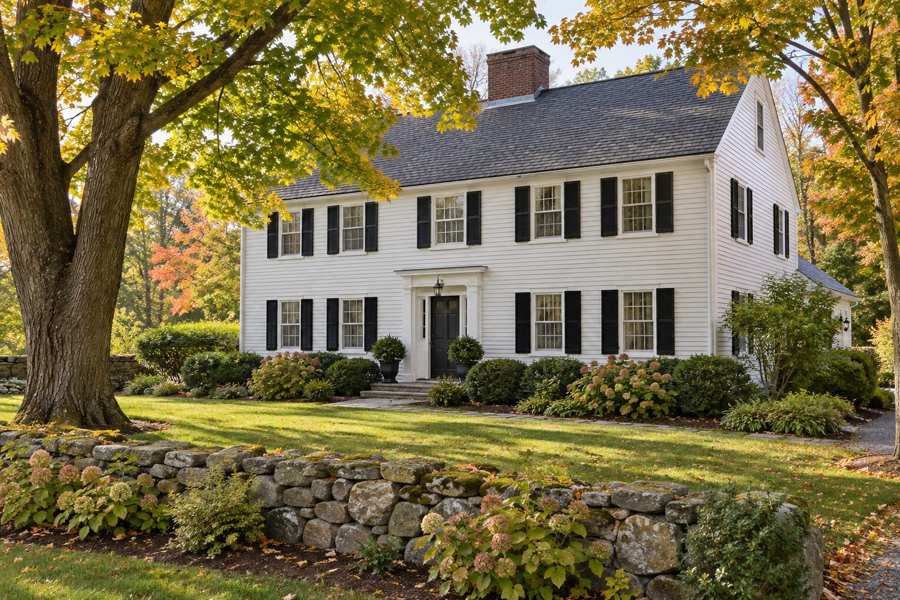
The forum discussions supply question context only, not legal rules. Census figures are ACS 2020-2024 estimates for the postal area and are not a neighborhood estate-sale survey. Shares are calculated from published counts. No property-specific price, tax result, legal opinion, insurance coverage or completion deadline is supplied. The image is generated and reused rather than a photograph of an Old Naples property.
Conclusion
For a family selling an inherited Old Naples house, the first decision is not which buyer sounds most eager. Establish the ownership position and the authority to act, ask which estate or homestead steps matter, and organize the practical property records. Those answers make the sale options easier to compare honestly.
Then review net proceeds, conditions and realistic timing together. A family agreement can guide the preference, but the actual documents must support the transaction. Choose the route that the authorized seller can complete and that the family understands, rather than let an offer deadline stand in for unresolved title questions.
Frequently Asked Questions
Does being named in a will automatically let me sell the house?
Do not assume that. Ask counsel to review the will, ownership and estate position and identify who can sign. The clerk explains that probate assets and the authority to administer them need the applicable process.
Does every inherited Old Naples house need the same probate procedure?
No single procedure is established here. The actual title, estate documents and family circumstances require review. This brief does not classify a particular house or recommend a filing route.
Can a private buyer bypass estate authority questions?
A private proposal does not establish the seller's authority to deliver the property. Have the relevant professionals confirm how the actual transaction can proceed and reflect remaining conditions in writing.
Does the Census count show how many homes are inherited?
No. The cited tables describe housing units, tenure, vacancy and construction periods in the postal area. They do not count inheritance cases or estate sales.
How long will an inherited-house sale take?
No fixed duration is supplied. Ask the advisers handling the actual matter to identify remaining steps and dependencies, then compare the buyer's proposed timing with that information.
Compare your options before committing. Request a written private offer for your property, with no obligation, then weigh it against your listing plan.
Sources
- Collier County Clerk of the Circuit Court, Checked October 6, 2026. Probate: assets, administration and local guidance. https://www.collierclerk.com/court-divisions/probate.
- Florida Legislature, Checked October 6, 2026. Florida Statutes, section 733.613: personal representative sale powers. https://www.leg.state.fl.us/Statutes/index.cfm?App_mode=Display_Statute&URL=0700-0799%2F0733%2FSections%2F0733.613.html.
- Collier County Clerk of the Circuit Court, Checked October 6, 2026. Petition to determine homestead status, testate reference form. https://www.collierclerk.com/wp-content/uploads/PETITION-TO-DETERMINE-HOMESTEAD-STATUS-OF-REAL-PROPERTY-Testate.pdf.
- Collier County Clerk of the Circuit Court, Checked October 6, 2026. Order determining homestead status, testate reference form. https://www.collierclerk.com/wp-content/uploads/ORDER-DETERMINING-HOMESTEAD-STATUS-OF-REAL-PROPERTY-Testate.pdf.
- Collier County Clerk of the Circuit Court, Checked October 6, 2026. Probate guidance packet. https://collierclerk.com/wp-content/uploads/Probate.pdf.
- City of Naples, Checked October 6, 2026. Neighborhoods: Old Naples local place context. https://naplesgov.com/community/page/neighborhoods.
- U.S. Census Bureau via Census Reporter, ACS 2020-2024; checked October 6, 2026. Postal-area housing units, tenure, vacancy and construction periods. https://api.censusreporter.org/1.0/data/show/latest?table_ids=B25077,B25035,B19013,B25064,B01003,B25034,B25003,B25004&geo_ids=86000US34102.
- Florida Realtors, October 23, 2020; checked October 6, 2026. Probate real estate: professional explanation of signature and title-review differences. https://www.floridarealtors.org/news-media/news-articles/2020/10/probate-real-estate-what-you-need-know.
- Florida Realtors, June 8, 2026; checked October 6, 2026. Home sales after a loss: coordination, authority and title questions. https://www.floridarealtors.org/news-media/news-articles/2026/06/guiding-families-through-complex-home-sales-after-loss.
- Internal Revenue Service, Checked October 6, 2026. Gifts and inheritances: property basis and sale gain questions. https://www.irs.gov/faqs/interest-dividends-other-types-of-income/gifts-inheritances/gifts-inheritances.
Related research

Seller Guide · October 6, 2026
How to Prepare Point Pleasant Beach Rental Records Before Selling
Separate rental approval, income history and booked stays before comparing sale terms.
Seller Guide · October 6, 2026
How to Prepare Rumson Flood and Waterfront Records Before Selling
Separate flood disclosure, elevation, repairs and waterfront rights before comparing sale terms.

Seller Guide · October 6, 2026
How to Prepare Sarasota Condo Inspection and Reserve Records Before Selling
Separate building condition, reserve funding and resale documents before comparing sale terms.