Seller Decision · by Aidan Sowa · October 6, 2026
Should a Sunset Park Owner Sort Out Permit Records Before Asking for Offers? Reading the Paper Trail and the Sale Conditions
A renovation invoice, a permit number and a finished inspection answer different questions before a house changes hands.
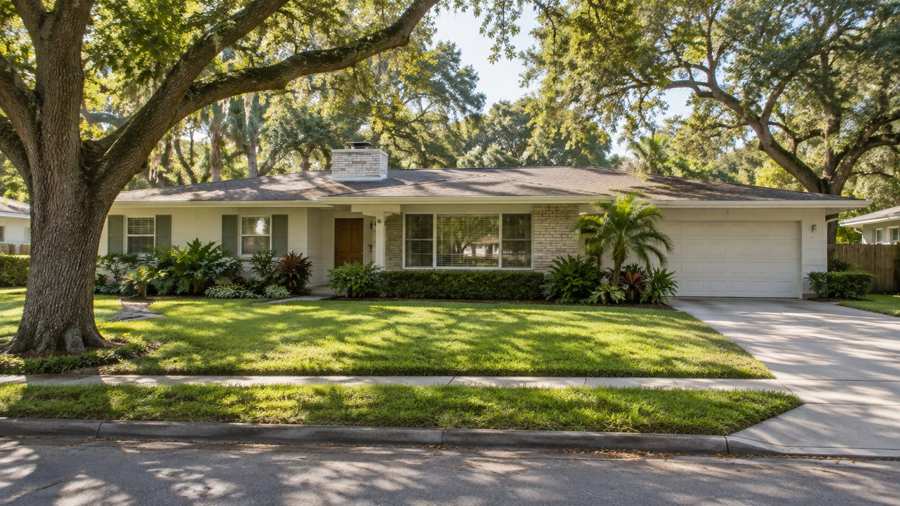
Should I sort out the permit records on my Sunset Park house before asking for offers? The question often starts with a practical surprise: an owner has invoices for a remodeled bathroom, an old dock drawing or a permit number in a closing folder, but cannot tell whether those papers establish a completed project. The house may look finished while the record still needs explanation. A buyer can care about that distinction even when the seller does not plan to do more construction.
A real South Tampa homeowner discussion describes the anxiety behind the question. The poster said they bought a renovated house and later faced notices involving work they believed had not been properly permitted. A different homeowner discussion asked how to explain a dock built without a permit before selling. Those are unverified personal accounts, not findings about Sunset Park properties or proof of what the city would require at your address. They supply a useful question, not a shortcut to a legal conclusion.
For a Sunset Park seller, the first step is an organized record search and an address-specific conversation with the authority responsible for the work. This brief uses Tampa's own public-record guide, its residential permit pages and a separately scoped planning-agency update about Hillsborough River docks. It explains how to separate missing documents from incomplete approvals, and how that uncertainty can affect the comparison between an as-is listing and a direct offer.
Key Findings
- Tampa's Accela address-search guide says general public construction records can be searched without an account. It recommends entering the street number and street name and selecting the correct address before opening the available records. A search is a starting point, not certification that every past alteration complied with every rule.
- The city's seawall-extension guide lists a signed and sealed survey and wall details, an EPC permit and Tampa Port Authority approval. Its broader seawall-and-dock guidance also describes several review requirements. The exact authority and documents depend on the project; do not assume one record covers every part of waterfront work.
- A May 2026 Plan Hillsborough notice describes a changed dock-permitting process for the Hillsborough River. It is not a blanket statement about every Sunset Park waterfront parcel. A seller should ask the responsible authority which current process applies to the actual location and work.
- The postal-area ACS counts 11,330 housing units, with 6,387 built before 1980, about 56.4%, and a median build year of 1973. An older housing stock can prompt questions about prior alterations, but it does not identify unpermitted work or defects at a particular house.
- Written offers should make unresolved review conditions visible. An as-is or cash label does not by itself tell the seller whether a buyer can reopen the price, delay closing or transfer responsibilities connected with past work. Compare the actual contract and obtain qualified advice.
What exactly is missing from the paper trail?
Begin by identifying the work, not by applying a sweeping label to the house. Was the issue a replaced window, an addition, a bathroom remodel, a boat lift or a seawall alteration? Was the work done during your ownership or before you bought? What records are available? The answer determines which questions to ask and which office may hold useful information. Saying the house has a permit problem before examining those details can be as misleading as saying all the paperwork is fine.
An invoice can show that a contractor charged for a described job. A permit application can show a proposed scope. A permit number can identify a file. Inspection results and final status can describe later steps in that file. None of those papers should be casually substituted for all the others. Read the actual wording and dates. If the file references a particular roof job, do not expand it into approval of a later kitchen renovation simply because both occurred near the same time.
Separate three possible situations. The record may exist but be absent from your folder. A permit may exist but need its status explained. Or work may have been performed without a required approval. Those are different factual possibilities, not a verdict on your property. Search and professional review can narrow them. A seller should not choose the least troublesome possibility just because the house has been occupied for years without an obvious complaint.
Keep an uncertainty list beside the document list. For each project, record the date if known, the contractor if known, the file number if available and the question still unanswered. Do not guess a completion date from the date of an invoice. If a previous owner supplied a drawing but no corresponding approval, note that limitation. A buyer is better served by a clear gap than by a confident story that cannot be tied to the papers.
This preliminary work can be done before committing to a repair project or a sale route. It may show that the issue is a simple missing copy, or it may reveal a question needing more time and expense. Either result improves the comparison of offers. Without it, the seller may price the house as though all uncertainty is resolved and then discover that buyers are evaluating a different set of risks.
How can you use Tampa's address search without overreading it?
The city's public guide explains how to search construction permit information in Accela. It says general public records can be searched without an account or login. It also notes that legally exempt records are not available to the public and that secure files require an authorized contact. An empty public search therefore should not be retold as proof that no relevant record exists. It means the search has not produced one through that route.
For the address search, the guide recommends entering only the street number and street name for best results. If several addresses are returned, select the one corresponding to the property. The guide says address results are not restricted by the start and end date fields. That is a useful process detail for an owner looking for older work, but the search still depends on selecting the correct property and interpreting the records returned.
Once the selected address loads, the city says users can see available construction permit records and open links for more detail. Save the relevant records with their identifiers and dates. Read the scope, status, inspection information and any comments that matter to the proposed sale. If the terminology is unclear, ask Construction Services for help interpreting the record. A buyer's or seller's informal translation of a status should not replace the city's explanation.
Use a consistent address across the search and your sale documents. A corner parcel, changed street label or older record can make careless searching confusing. If the first search does not identify the expected project, provide city staff with the documents you already have and ask how to locate the right file. This is not a recommendation to keep searching indefinitely until a reassuring result appears. It is a bounded effort to establish the record's identity.
The city's Citizen Access portal offers building, zoning, planning, historic-preservation and enforcement services. These categories can involve different records. A construction permit search does not necessarily answer every zoning or enforcement question. A seller with a specific notice, addition or waterfront alteration should ask which category needs review rather than treat one general search as a complete due-diligence report for the entire property. The Palma Ceia flood-record brief separates another kind of property evidence from permit history.
Does waterfront work make the records more complicated?
The City of Tampa identifies Sunset Park and its waterfront streets on the west side of the peninsula. That description does not mean every home is waterfront or that every structure has a dock. For a property that does include marine improvements, however, the sale file may need records from more than a conventional building permit. Identify the actual improvement and its location first. A dock, boat lift and seawall are not interchangeable projects.
Tampa's residential seawall-extension guide lists a survey and wall section with signed and sealed structural details, an EPC permit and Tampa Port Authority approval. It also lists inspection stages and says the page is a guide, with additional information possibly required. Those instructions show why one contractor drawing is not necessarily a complete approval file. They do not determine whether a particular existing seawall is acceptable, needs repair or was properly permitted at the time it was built.
The county Environmental Protection Commission's Permits and Exemptions page explains separate application routes for work in wetlands and waterbodies, including its Minor Work process in specified waters. It also warns that floating platforms and other construction over surface waters require review. A claimed state exemption therefore should not be expanded into an assertion that no local authorization was needed. Give EPC the actual location, work and available records. This article does not determine an existing structure's permit status or choose its application category.
There is a reason to be careful about dates and geography. A Plan Hillsborough notice published May 20, 2026 describes a change for construction or repair of docks and lifts along the Hillsborough River. It says the city no longer requires a construction permit for those projects, while other reviews and electrical permits can remain. The notice concerns that river process. This brief does not apply it automatically to Sunset Park canals or bay frontage.
Port Tampa Bay's Forms and Resources article describes marine-construction jurisdiction and explains that state, federal and city or county reviews may also be required. It describes limited delegated Minor Work processing through EPC, not universal permission from one agency. That supports checking the full approval chain rather than treating one drawing or permit as everything. Ask the relevant authority which route applied to this project and keep the response. Administrative clearance still does not establish the condition or remaining life of a seawall or lift.
What does the older housing stock establish, and what does it leave open?
The ACS 2020-2024 postal-area estimate contains 11,330 housing units, with 6,387 built before 1980 and a median build year of 1973. The largest single decade group is the 1950s, with 2,359 units. These figures cover the postal area that includes Sunset Park and neighboring places. They are not a Sunset Park-only count and are not an inventory of additions, permit disputes or houses affected by storms.
An older house may have several layers of work performed by different owners. Some changes can be documented clearly, while others may be harder to date. That possibility makes a timeline useful, but age alone proves nothing about approval or quality. A well-maintained older house can have a strong record. A recently remodeled one can have unanswered questions. Keep the construction-period chart in its role as context, not a diagnosis.
The survey counts 10,746 occupied homes, including 8,610 owner-occupied homes and 2,136 rented ones. Owners account for about 80.1% of occupied units. That broad tenure mix does not identify the next buyer or determine what records they will require. An owner-occupant, renovation buyer and builder may have different plans, but each is evaluating the actual property. The seller should not assume a buyer category eliminates questions about past work.
The Census median owner value is $851,400, with a margin of error of $33,908. That is a survey estimate for the postal area, not a current Sunset Park asking price or an appraisal of your house. It cannot calculate the cost of an unresolved permit issue. The possible sale effect depends on what remains unresolved, the steps needed to clarify it and the actual buyer's willingness to take on those conditions.
Use the neighborhood context to form sensible questions and the property record to answer them. If the current house differs materially from old plans, ask a qualified professional how to investigate the difference. If the papers refer to work that does not appear to have occurred, ask about that too. Do not redraw the history to match what a buyer wants to hear. Reliable records are useful precisely because they can challenge an assumption.
Should the seller resolve the issue before marketing?
There is no universal answer in the sources used here. Some uncertainty may be clarified quickly by obtaining a record or an explanation. A more involved issue can require professional plans, inspections or corrective work. The city must determine the applicable process for the actual project. Before promising a resolution date, establish the steps, who can perform them and what must be submitted. A generic blog cannot supply that schedule.
The CFPB's inspection guide separates physical condition from appraisal and notes that major repairs can complicate financing. Clarify approval records with the agency and assess condition through qualified professionals. Missing paperwork is not a diagnosis, and a sound-looking structure is not proof of approval. Avoid promising either result before the appropriate review.
An owner can compare clarifying the record before marketing with offering the house while a specific issue remains open. The latter path should be discussed with the qualified professional handling the sale so the disclosures and contract accurately express the situation. Do not assume an unresolved issue can simply be transferred by describing the sale as as-is. Whether and how responsibilities can be assigned is a transaction question requiring advice on the actual documents.
If clarification is possible without major work, it can reduce ambiguity in the buyer's offer. If the cost is substantial or the seller cannot accommodate the process, a buyer may price the uncertainty into the proposal. That is a negotiation, not proof that the buyer's allowance equals the eventual cost. Ask what evidence supports the allowance and compare more than one realistic route where possible, rather than accept an unexplained deduction.
Keep the moving deadline visible. Record research, professional work, review, marketing and closing can each occupy part of the path. A seller needing a chosen date may value fewer unresolved steps, but the actual contract must support that timeline. Convenience should not conceal an unfinished approval question.
How should permit uncertainty appear in competing offers?
Compare the gross price with the conditions attached to it. An offer may depend on inspection, financing, insurance, title or additional records. Ask the professional handling the sale to explain which conditions can delay closing or reopen negotiations and how the deadlines work. The highest opening price is not necessarily the most dependable net result if a broad unresolved condition leaves the buyer room to change the proposal later.
For an as-is public listing, establish the available records before describing the renovation history. Keep the listing language, disclosures and document file consistent. A polished photograph demonstrates appearance, not permit completion. Buyers can still ask questions, and a seller should be ready to answer from the record or identify the missing information. This is practical preparation, not a guarantee of legal sufficiency for every transaction.
For a direct purchase, identify the buyer and read the written terms. Does the offer remain subject to further review of the same records? Who pays any agreed costs? What happens if a required approval is not obtained by the proposed closing date? A cash label does not answer those questions. Ask for a clear explanation before relying on the offer as a solution to an uncertain schedule.
Maison Off-Market's stated route offers privacy without showings, flexible closing dates, no commission costs, no closing costs and avoiding inspections or repairs. Those benefits can appeal to an owner who does not want another project. They do not certify prior work or guarantee the highest sale price. Compare its written offer with a realistic listing plan and confirm how the agreed transaction handles any documented unresolved issue.
The goal is a decision with the uncertainty visible on both sides. An owner may reasonably choose to complete a defined step before selling, negotiate an offer that explicitly addresses the situation, or allow more time to gather evidence. None of those paths requires pretending the property has a perfect paper trail. The better choice is the one supported by the actual record, qualified advice and terms the seller understands.
Methodology and limitations
Sources were read on October 6, 2026. Tampa's Accela guide supplies the public-record search process; its residential pages supply examples of seawall and dock review. The May 2026 Plan Hillsborough notice is labeled as a Hillsborough River process change and is not generalized to Sunset Park. No individual address or permit file was inspected for this article. EPC and Port Tampa Bay guidance are used to explain possible overlapping marine review, not to assign a permit category to an unexamined project. CFPB inspection guidance concerns most mortgages, not a determination of a buyer loan requirement.
Community discussions informed the question only and remain unverified personal accounts. Census counts are ACS 2020-2024 five-year estimates for the postal area, with shares calculated from those counts. No repair budget, permit verdict, completion deadline, legal opinion or price discount is supplied. The hero image is generated and reused, not a photograph of an actual Sunset Park house.
Conclusion
For a Sunset Park seller, the useful first move is to identify the work and locate the record before choosing a story about it. A missing invoice, an unclear permit status and work without a required approval are different issues. Public searching and an address-specific agency response can narrow the uncertainty.
Then compare the costs and conditions of resolving it before marketing with the actual terms of offers made in the existing state. Do not let a waterfront label, a finished appearance or a cash promise substitute for evidence. A clear file and a readable contract can help an owner choose a sale route without carrying an unexplained surprise into closing.
Frequently Asked Questions
Can I search Tampa construction records without an account?
The city's guide says general public records can be searched without an account or login. It also notes that exempt secure files require an authorized contact. Select the correct address and ask staff about unclear results.
Does an invoice prove the work has a completed permit?
No. An invoice, application, permit and inspection result describe different parts of the work and review. Read the actual record rather than expand one document into proof of every step.
Does the Hillsborough River dock update apply to every Sunset Park dock?
This brief does not establish that. The cited planning-agency notice concerns the river process. Ask the responsible authority which requirements apply to the actual location and scope.
Does an older house necessarily have unpermitted work?
No. Construction age is not a permit finding. The postal-area survey identifies building periods, not individual alterations or approval history.
Should I accept a lower price because the buyer says permits are uncertain?
Ask what the uncertainty is, what evidence supports the proposed allowance and how the contract addresses it. Compare realistic net results and seek qualified advice before deciding.
Compare your options before committing. Request a written private offer for your property, with no obligation, then weigh it against your listing plan.
Sources
- City of Tampa, Checked October 6, 2026. Sunset Park neighborhood description. https://www.tampa.gov/neighborhoods/sunset-park.
- City of Tampa, Guide dated February 24, 2023; checked October 6, 2026. Accela Guide: Search for Permits by Address. https://www.tampa.gov/sites/default/files/document/2026/accela-guide-search-for-permits-by-address_ada.pdf.
- City of Tampa, Checked October 6, 2026. Accela Citizen Access portal. https://aca.tampa.gov/.
- City of Tampa, Checked October 6, 2026. Other Residential Permits, seawall and dock guidance. https://www.tampa.gov/construction-services/residential-permits/other-residential-permits.
- City of Tampa, Checked October 6, 2026. Residential Seawall Extension. https://www.tampa.gov/construction-services/residential-permits/seawall-extension.
- Plan Hillsborough, May 20, 2026. City of Tampa Updates Dock Permitting Process Along the Hillsborough River. https://planhillsborough.org/city-of-tampa-updates-dock-permitting-process-along-the-hillsborough-river/.
- U.S. Census Bureau via Census Reporter, ACS 2020-2024; checked October 6, 2026. Housing counts, tenure, construction periods and value for the postal area. https://api.censusreporter.org/1.0/data/show/latest?table_ids=B25077,B25035,B19013,B25064,B01003,B25034,B25003&geo_ids=86000US33629.
- Environmental Protection Commission of Hillsborough County, Checked October 6, 2026. Permits and exemptions: waterbody applications and floating-platform review. https://www.epchc.org/divisions/wetlands/permits-exemptions.
- Port Tampa Bay, Checked October 6, 2026. Forms and resources: marine jurisdiction, separate reviews and limited delegation. https://www.porttb.com/forms-resources/.
- Consumer Financial Protection Bureau, Checked October 6, 2026. Inspection guide: condition, appraisal and repair-related financing limits. https://www.consumerfinance.gov/owning-a-home/close/schedule-a-home-inspection/.
Related research

Seller Guide · October 6, 2026
How to Prepare Point Pleasant Beach Rental Records Before Selling
Separate rental approval, income history and booked stays before comparing sale terms.
Seller Guide · October 6, 2026
How to Prepare Rumson Flood and Waterfront Records Before Selling
Separate flood disclosure, elevation, repairs and waterfront rights before comparing sale terms.

Seller Guide · October 6, 2026
How to Prepare Sarasota Condo Inspection and Reserve Records Before Selling
Separate building condition, reserve funding and resale documents before comparing sale terms.