Seller Guide · by Aidan Sowa · October 6, 2026
How to Test a Land-Value Offer for Your Belle Meade House
Learn how to compare an existing-home valuation with a redevelopment proposal without assuming demolition or a future project is approved.
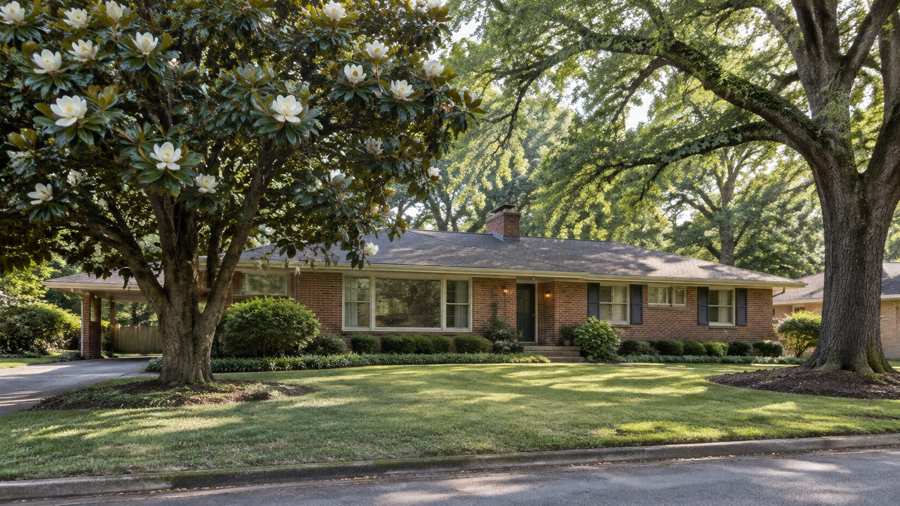
A buyer calls your Belle Meade house a teardown and prices the lot, while another adviser talks about repairs and a listing. Before you choose either story, ask what evidence supports it. NAR's 2025 remodeling article reports national estimated recovery of 60% for a complete kitchen renovation. That professional estimate does not value your home, but it warns against assuming a project returns every dollar or that the alternative must therefore be demolition.
This guide separates the current house, a buyer's proposed future use and the offer you can actually accept. It explains comparable-sale evidence, conservation and permit checks, cost assumptions and written contingencies. It does not classify your property, approve demolition, calculate buildable area or promise a developer price premium. Those are property-specific matters requiring the relevant professionals and city review.
What a Land-Value Offer Means
A land-value offer reflects the buyer's view of what the site is worth for its intended use. It is not an official determination that the house lacks value or that redevelopment is permitted. Ask which use, assumptions and conditions support the proposal. Then compare it with evidence for the existing property rather than treating the buyer's preferred project as the only sale route.
NAR's pricing guide recommends comparable sold, pending and active properties adjusted for location, size, condition and amenities. A buyer planning a replacement house may evaluate a different use from a household wanting to live in the existing one. Identify which transactions actually support each analysis. The label teardown does not by itself establish an appropriate deduction for the current structure.
NAR's appraisal guide describes an appraisal as a professional opinion of market value, often obtained in a lender's process. That is different from a purchaser's offer and from the owner's preferred price. Ask what assignment and assumptions a valuation addresses; do not present an informal redevelopment spreadsheet as though an independent appraiser has confirmed every input.
Separate the numbers: The asking price, tax assessment, professional valuation and purchase proposal may serve different purposes and dates. Write the origin beside each. A low structure component in a tax record does not automatically prove a buyer's lot offer is adequate, and a future new-house asking price is not the amount the seller receives today.
How to Compare Existing and Future Uses
Prepare separate comparisons for selling the current house and selling to a buyer pursuing a different use. Use the same verified property facts but do not merge their assumptions. Identify current condition, the evidence behind expected price and the approvals the future project needs. Keep a projection separate from an offer, then review which risks the contract leaves with you.
NAR's preparation guide recommends getting estimates for significant repairs even when you do not intend to complete them. That lets you test a buyer's condition deduction against a scoped issue. It does not require the seller to renovate before asking for offers. A contractor's repair estimate and a developer's removal budget answer different questions and should not be treated as matching quotes.
An existing-home analysis should explain condition differences in comparable sales. A future-use analysis should identify its proposed project and evidence that the use can proceed. A buyer may legitimately value the site differently, but you should know which input is verified, estimated or dependent on a later decision. Ask for a written explanation without claiming entitlement to the buyer's entire future profit.
Example: A livable house needing updates and a house with a serious structural issue are not interchangeable solely because both sit on desirable land. Document the actual condition and proposed route. If an offer deduction assumes complete demolition, ask whether that is the buyer's choice or a supported necessity before accepting it as a fact about the property.
| Number or claim | Evidence | Limitation |
|---|---|---|
| Existing-house price estimate | Relevant comparable sales and condition analysis | A projection, not a committed buyer |
| Land-oriented purchase offer | Written proposal and disclosed assumptions | Reflects the purchaser terms, not approved redevelopment |
| Tax assessment | Actual assessment record and purpose | Not automatically current sale value |
| Future completed-project price | Supported project estimate | Not the seller proceeds today |
| Demolition or repair cost | Scoped qualified quote | Does not itself approve the work |
Why Cost and Value Must Stay Separate
A repair cost, redevelopment budget and market value are related inputs but not the same fact. Spending a dollar does not guarantee a dollar of sale value, and a buyer's expense does not automatically dictate your proceeds. Compare actual quotes and defensible valuation evidence. Keep timing, financing and approval assumptions visible so a large future project does not become a misleading shortcut for pricing today.
NAR's remodeling article lists estimated recovery of 60% for a complete kitchen renovation and 50% for a bathroom renovation. It explains that project cost and resale-value estimates came from professional surveys. These national figures are not Belle Meade transaction results. Use them to challenge automatic full-recovery claims, not to calculate a fixed reduction in your house's price.
NAR's property-tax guide notes that assessed value differs from market value and depends on local practices. Before using a land-versus-improvement split in an offer discussion, ask what the actual record measures and when it was established. An assessment may be relevant evidence without deciding the price of a negotiated sale.
Arithmetic test: A hypothetical $40,000 project that adds an estimated $25,000 to a sale leaves a $15,000 difference before delay and other costs. These invented inputs demonstrate a comparison, not a local estimate. Equally, a buyer saying its project will cost more does not prove your best alternative has lost value. Obtain the evidence rather than treating every budget change as your obligation.
Check Conservation Review Before Calling It a Teardown
Check the property's conservation-review path with the city before relying on demolition as an available option. The buyer's intent and the house's age alone do not establish approval. Obtain the relevant classification, documents and professional explanation. Review any proposed purchase contingency separately. A sale can occur without the seller proving a replacement project, but the contract must make clear what the buyer is requiring.
Belle Meade's official conservation page explains the purpose of its overlay and Historic Zoning Commission. Its linked final guidelines, amended February 2025, describe categories including properties of significance and properties worthy of conservation. They discuss review for demolition, new construction and additions. Do not use an informal description of the house to assign its official category.
The final guidelines discourage demolition of properties of significance and describe review of proposed demolition or substantial additions for properties worthy of conservation. Their discussion is not a blanket statement that every old house can or cannot be removed. Ask the city and qualified advisers about the actual address and proposal before turning a general guideline into a sale representation.
Evidence to request: The relevant city record or determination, the proposed project's description and any approval still needed. If the buyer asks for a long review contingency, identify its exact scope and termination rights. Do not advertise approved teardown potential when the only evidence is a buyer saying it intends to rebuild.
Review the Permit Path and Physical Record
Collect the site's existing records and ask qualified professionals what work and approvals the proposal requires. Keep permitting, design review and physical condition separate. An old permit, a contractor invoice and a concept drawing do not prove that a new project is approved. Your sale comparison should identify the gaps without forcing the seller to undertake work that belongs to the buyer's chosen plan.
Belle Meade's building-permits page lists project types including demolition, new residence, renovations and repairs, and says associated permits and inspections are required. It contains an older paragraph about a prior code edition as well as a specific notice of a newer adoption. Rather than copy an inconsistent edition claim, ask the Building and Codes office to confirm the current requirements for the actual project.
The same page posts a 2026 security-fence requirement for properties issued demolition or new-construction permits. That is one example of a project obligation not visible in a house's asking price. It does not establish the total redevelopment budget or any permit for your lot, and the buyer's cost planning should account for applicable current requirements.
Property file: Gather the documents already available for the house, known repairs, boundaries and improvements, and have technical questions reviewed by the appropriate professionals. Do not invent a survey, utility capacity or clean approval history to make the offer easier. If records are missing, describe the uncertainty accurately and ask whether the purchase terms allocate further investigation to the buyer.
Ask What the Offer Still Depends On
Identify every condition that could let the buyer change or end the purchase. A land-oriented offer may depend on investigation, financing or approvals, even when the buyer calls it cash. Ask what is required, who decides and by when. Review the actual contract with counsel rather than treating a price as firm while the buyer retains unresolved options that affect whether it will close.
NAR's contingencies guide explains conditions that must be satisfied before a purchase completes and recommends careful articulation and timelines. It discusses inspection, financing and other common terms. A development-related condition needs the same clarity; vague references to satisfactory plans can hide a decision the seller does not control.
NAR's multiple-offer guide recommends comparing contingencies and timing along with financial terms. A larger offer with a broad review window may be different from a smaller offer with fewer remaining steps. This guide establishes no standard investigation period or legal remedy. Ask the attorney to explain the completed agreement rather than borrowing deadlines from an unrelated sale.
NAR's escrow guide explains that earnest money is held and released according to the agreement. Confirm its holder, due date and receipt. Offer check: Does the buyer commit to the current property, or can it walk away if its proposed project does not work? Neither answer is automatically unacceptable, but the seller should know which arrangement is being priced.
Compare Seller Proceeds, Not the Buyer Pitch
Build a seller-side estimate from the written price and actual deductions, then compare it with supported alternatives. Include agreed concessions, existing obligations and a dated mortgage payoff where relevant. A purchaser's planned profit or a broker's projected listing price is not money available to you. Keep assumptions labeled and update the estimate when the price, timing or cost allocation changes.
NAR's listing-agreement guide says compensation is negotiable and not fixed by law. Review existing agreements before assuming a direct developer purchase avoids every commission obligation. NAR's concessions guide separately explains negotiated seller contributions to buyer expenses. Those contributions belong in the estimate even if the offer's headline price appears attractive.
The CFPB explains that mortgage payoff can differ from a current balance because of interest through the date and other applicable amounts. Get the appropriate statement and use consistent dates across options. A buyer's promise of no seller closing costs does not answer mortgage payoff, tax treatment or an agreement the seller already signed.
Comparison record: For each route, show the written or projected price, documented seller deductions, remaining conditions and plausible date. Mark whether work is optional marketing preparation, required by the agreement or part of the buyer's future project. This prevents a redevelopment pitch from blending your costs with expenses you have not agreed to bear.
| Route | Seller cost evidence | Best fit | Limitation |
|---|---|---|---|
| Current-condition public listing | Actual selling terms and agreed deductions | Owner seeking broader buyer comparison | Final price and buyer conditions remain uncertain |
| Prepared-house listing | Scoped project quote plus selling costs | Owner with a supported preparation plan | Cost recovery and delay not guaranteed |
| Direct land-oriented purchase | Written price, allocation and conditions | Owner assessing a buyer interested in future use | Approval assumptions and exit rights need scrutiny |
Choose the Evidence That Changes the Decision
Choose after identifying which unresolved fact would change your comparison. It may be a condition assessment, a valuation assumption, a conservation classification or the buyer's exit right. Obtain that evidence before committing to unnecessary work or accepting an unsupported deduction. If both routes remain plausible, compare the actual tradeoffs rather than insisting the property must be either a house or a lot.
A seller may learn that a proposed repair is smaller than the buyer assumed, or that a future-use plan needs more review than the purchaser's first presentation suggested. Neither discovery automatically proves the other route is better. Update the written comparison and ask the relevant professional how the new fact affects value, terms or timing.
The city's conservation guidance recommends considering design review early in planning to avoid work that may later conflict with the standards. Use that principle before paying for a seller-led demolition plan. A buyer's eventual project can remain the buyer's responsibility if the reviewed sale agreement supports that allocation; do not promise approvals to secure an offer.
Decision rule: Prefer a supported offer and a clearly understood contract over an impressive but unverified story. Keep the alternative valuation visible and record why the chosen terms fit your priorities. Read the Sunset Park repair-decision framework for a separate way to distinguish repair estimates from optional spending; its Florida rules are not Tennessee legal guidance.
Frequently Asked Questions
These questions separate pricing claims, current condition and redevelopment review. Each answer is a starting point for discussing the actual property and contract with qualified professionals. The guide has not classified your house, reviewed a survey or approved any project. A buyer can prefer the land while the seller still needs evidence for the current property and the conditions attached to the proposal.
Does a buyer calling my house a teardown prove it has no value?
No, that describes the buyer view or proposed use rather than an independent determination. Compare current-condition evidence and supported valuation alternatives.
Can I use the tax land value as my sale price?
Not automatically; assessed and market values serve different purposes. Have the actual assessment and sale evidence reviewed rather than treating one component as a guaranteed offer.
Should I demolish before selling?
Do not commit without reviewing the property requirements, costs and sale alternatives. A buyer proposed replacement plan does not establish that seller-led demolition is necessary or permitted.
Is demolition automatically allowed for a newer house?
No, age alone does not establish the applicable conservation classification or approval. Ask the city about the actual address and proposed work.
Does cash remove a development contingency?
No, funding method does not define every remaining condition. Read the completed agreement and have counsel explain the buyer exit rights.
Must I accept the buyer construction budget as a deduction?
A buyer budget is evidence to assess, not automatically a seller obligation. Compare the proposal with supported alternatives and the actual cost allocation.
Will renovation recover all my spending?
The guide establishes no guaranteed recovery for your house. Compare scoped quotes with a property-specific pricing analysis and the delay involved.
Does a permit record prove a new project is approved?
Not by itself; an existing record may concern different work or conditions. Confirm the relevant current permit and review requirements with the city and professionals.
Is the highest land offer always the best?
Not without considering seller proceeds, conditions and timing. A price with broad unresolved review rights can differ from a proposal with fewer remaining steps.
How Maison Off-Market Reviews the House and Land
Maison Off-Market describes a direct-purchase process that reviews the house and land before proposing price and timing. That gives the seller another offer to compare without undertaking a public marketing or repair project first. Its review is not a city approval or an independent appraisal. Ask for the written assumptions, cost allocation and conditions, then assess them with your own advisers.
The company's stated offer describes flexible dates, no commissions and no seller closing costs under its proposed terms. Its process works with the owner's attorney or title company. Confirm the purchasing party, deposit, investigation rights and any future-use condition; existing listing obligations and property requirements still need independent review.
Evidence available to compare: The actual proposal and the work the contract leaves with the seller. No verified Belle Meade land-value case study, redevelopment approval or average premium is supplied here. The company mechanism creates a purchase option, not proof that your house should be demolished or that every public-market offer would be worse.
Compare your options before committing. Request a written private offer for your property, with no obligation, then weigh it against your listing plan.
Sources
- City of Belle Meade, Checked October 6, 2026. Historic Zoning and Conservation Overlay. https://citybellemeade.org/historic-zoning-conservation-overlay/.
- City of Belle Meade, Checked October 6, 2026. Final Conservation Design Guidelines, Amended February 2025. https://citybellemeade.org/wp-content/uploads/2025/02/DRAFT-STAFF-HZC-Design-Guidelines-December-2024-FINAL.pdf.
- City of Belle Meade, Checked October 6, 2026. Building Permits and Current Project Requirements. https://citybellemeade.org/building-permits/.
- NAR, Checked October 6, 2026. The Appraisal Process. https://www.nar.realtor/the-facts/consumer-guide-the-appraisal-process.
- NAR, Checked October 6, 2026. Property Taxes and Assessed Value. https://www.nar.realtor/the-facts/consumer-guide-property-taxes.
- NAR, Melissa Dittmann Tracey, Checked October 6, 2026. Remodeling Projects and Estimated Resale Recovery. https://www.nar.realtor/news/real-estate-news/sales-marketing/12-remodeling-projects-that-offer-the-best-value-at-resale.
- NAR, Checked October 6, 2026. Real Estate Contract Contingencies. https://www.nar.realtor/the-facts/consumer-guide-real-estate-contract-contingencies.
- NAR, Checked October 6, 2026. Consumer Guide: Seller Concessions. https://www.nar.realtor/the-facts/consumer-guide-seller-concessions.
- NAR, Checked October 6, 2026. Consumer Guide: Escrow and Earnest Money. https://www.nar.realtor/the-facts/consumer-guide-escrow-and-earnest-money.
- Consumer Financial Protection Bureau, Checked October 6, 2026. Payoff amount differs from current balance. https://www.consumerfinance.gov/ask-cfpb/what-is-a-payoff-amount-and-is-it-the-same-as-my-current-balance-en-205/.
- National Association of REALTORS, Checked October 6, 2026. Consumer Guide: What Goes Into Pricing Your Home. https://www.nar.realtor/the-facts/consumer-guide-what-goes-into-pricing-your-home.
- National Association of REALTORS, Checked October 6, 2026. Consumer Guide: Preparing to Sell Your Home. https://www.nar.realtor/the-facts/consumer-guide-preparing-to-sell-your-home.
- National Association of REALTORS, Checked October 6, 2026. Consumer Guide: Navigating Multiple Offers. https://www.nar.realtor/the-facts/consumer-guide-navigating-multiple-offers.
- National Association of REALTORS, Checked October 6, 2026. Consumer Guide: Listing Agreements. https://www.nar.realtor/the-facts/consumer-guide-listing-agreements.
Related research

Seller Guide · October 6, 2026
How to Prepare Point Pleasant Beach Rental Records Before Selling
Separate rental approval, income history and booked stays before comparing sale terms.
Seller Guide · October 6, 2026
How to Prepare Rumson Flood and Waterfront Records Before Selling
Separate flood disclosure, elevation, repairs and waterfront rights before comparing sale terms.

Seller Guide · October 6, 2026
How to Prepare Sarasota Condo Inspection and Reserve Records Before Selling
Separate building condition, reserve funding and resale documents before comparing sale terms.