Seller Guide · by Aidan Sowa · October 6, 2026
The Sunset Park Seller Guide to Repairs Before an As-Is Sale
Learn which repair facts, insurance questions and written terms to check before spending money or accepting an as-is offer.
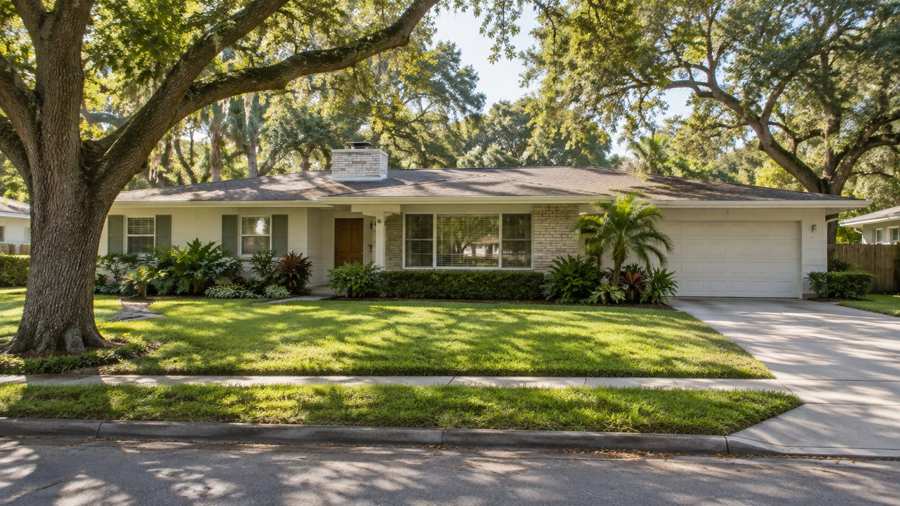
You want to sell your Sunset Park house, but replacing a roof or starting another project could consume money and delay the move without settling the buyer's concerns. NAR's April 2025 remodeling article reports estimated resale cost recovery of 60% for a complete kitchen renovation. That is a national professional estimate, not a prediction for your home, but it is a useful warning against assuming every repair dollar returns at closing.
This guide separates condition, documentation, insurance, disclosure and contract terms before you choose what to do. It explains how to get a scoped estimate, compare repair and credit options, and ask for a direct offer without treating as-is as a promise of no inspection. It does not establish a Sunset Park repair price, property value or insurance quote.
What an As-Is Sale Means
An as-is sale concerns the condition and obligations stated in the actual agreement. It does not automatically remove the buyer's inspection rights, your disclosure duties or the need to resolve title and other terms. Start with the proposed contract rather than a marketing label. Then identify which repairs you are declining and what choices the buyer retains.
Florida Realtors' disclosure guidance says a seller must disclose known facts materially affecting residential value that are not readily observable and not known to the buyer. Its discussion expressly includes as-is sales. If you know about a leak behind a wall, leaving the wall unrepaired does not make that knowledge disappear. Ask your attorney how to disclose what you know accurately.
The same organization's contract guidance describes a strong inspection-period cancellation right in its AS IS Residential Contract for Sale and Purchase. That explanation applies to a particular form, not every proposal that uses the words as is. Read the version, filled-in periods and added provisions with counsel; neither cash funding nor a direct purchaser establishes the cancellation rights by itself.
Separate the questions: What is wrong with the property? What are you prepared to do? What does the buyer need before committing? Who can cancel, and when? These questions may have different answers. For example, a seller may decline a roof replacement while a buyer remains free to investigate its condition and decide whether to proceed.
How a Repair Decision Works
Make a decision in stages: describe the issue, collect records, obtain a scoped estimate, check applicable approval and insurance questions, then compare written sale routes. A repair is a physical project; a credit is a negotiated financial term; a record is evidence. Do not treat them as interchangeable solutions until the actual buyer and your advisers confirm what each would accomplish.
NAR's Preparing to Sell guide recommends estimating significant repairs even when you do not intend to complete them. That gives you a basis for reviewing what a buyer might consider in negotiations. It also recommends gathering appliance and system manuals, guarantees and warranties. An installation invoice and a recent condition report answer different questions, so keep both rather than choosing whichever looks more favorable.
Use a scoped estimate: Ask what work, labor, materials, permits and disposal are included, what is excluded and how long the quote remains valid. A total without a written scope is difficult to compare. If two contractors disagree, ask whether they are quoting the same repair rather than assuming the lower number proves the other contractor wrong.
An owner facing a roof question can first collect the installation record and ask a qualified professional about condition. That does not mean ignoring an active leak or a safety problem while shopping for offers. Address urgent concerns with appropriate professionals, and keep the findings in the property record so later negotiations start from the same facts.
Why Cost Recovery Is Not a Repair Budget
A resale recovery percentage is an estimate of value returned, not a promise that a project will pay for itself. National remodeling evidence can help you question an expensive plan, but it cannot price your Sunset Park house. Compare the actual project cost, time and selling estimate. Keep personal enjoyment separate from the reason to spend before moving.
NAR's 2025 remodeling release reports different leading projects for enjoyment and estimated cost recovery. New roofing received a Joy Score of 10, while the highest estimated recoveries listed were a steel front door at 100%, closet renovation at 83% and fiberglass front door at 80%. Those measures answer different questions: homeowner satisfaction is not sale proceeds.
Melissa Dittmann Tracey's NAR article lists estimated recovery of 60% for a complete kitchen renovation and 50% for a bathroom renovation. It explains that project costs came from NARI member estimates and resale values from real estate professionals. These are not verified outcomes for a particular Sunset Park transaction, and they do not justify skipping a needed repair simply because another project has a higher percentage.
Test the purpose: If you are selling soon, ask whether the work addresses a material problem, supports a specific marketing plan or mainly reflects your taste. A contractor describes the work; a local pricing analysis tests the proposed sale effect. Neither alone proves the investment is sensible. Include the delay and carrying costs in your comparison, without inventing a standard neighborhood return.
Check the Roof and Insurance Separately
Verify roof age, condition and the insurance question as separate facts before deciding on replacement. An insurer's requirements are not established by a neighbor's experience, and a credit may not solve a buyer's coverage concern. Use the actual roof records, an appropriate inspection and the buyer's own insurance advice. Do not promise that any age automatically guarantees or prevents coverage.
Florida Statutes section 627.7011 says an insurer may not refuse to issue or renew a homeowners policy solely because a roof is less than 15 years old. For a roof at least 15 years old, it requires an opportunity for an authorized inspection before replacement is required as a coverage condition. An inspection showing at least five years of useful life also limits refusal solely on roof-age grounds.
The word solely matters. The statute is not a guarantee of a particular premium or acceptance regardless of condition and other underwriting facts. Read its current language and ask a licensed insurance professional about the property and policy. A seller's existing coverage is not the same as a buyer's prospective quote, so avoid presenting one as proof of the other.
Example: If a buyer requests a roof allowance, ask what issue it addresses and whether the proposed allowance leaves the purchase workable. A price adjustment, a closing concession and completed replacement have different effects. Document the agreed term with professional help rather than making an oral promise that insurance will be available after the sale.
Gather Flood and Repair Records Before a Project
Collect known flood history, claims, assistance and repair records before you begin work or complete sale disclosures. Check whether the address has a city determination or unresolved approval question that changes the project. A map, a contractor invoice and an owner's disclosure serve different purposes. None should be used to erase another record or to claim that all Sunset Park properties share the same condition.
Florida Statutes section 689.302 requires the seller's flood disclosure at or before execution of a residential sales contract. Its form asks about known flooding damage during ownership, flood-related insurance claims and assistance for flood damage. The definition includes specified runoff and sustained standing water from rainfall. Complete the current applicable disclosure with advice where necessary, rather than deciding that only a named storm counts.
The City of Tampa's substantial-damage notice explains that hurricane assessments can require a determination before remodeling or improvements proceed. It describes repair costs exceeding half a structure's value as potentially requiring current floodplain and building-code compliance. The city's determination, not a buyer's informal percentage or the property's land value, is the fact to resolve with Construction Services for the address.
Tampa publishes a Substantial Improvement and Damage Determination Form through Construction Services. Its Citizen Access portal offers property and building-record searches. Use those official routes to locate the relevant record; an invoice alone does not prove permit status or completed inspections. This guide has not searched your property, so it makes no claim about an open permit, flood history or substantial-damage finding at your home.
Build a Comparison From Written Inputs
Compare the sale choices using the same documented condition and the costs each route actually leaves with you. Obtain a property-specific pricing analysis and written estimates, then keep asking prices separate from agreed offers. Record whether a deduction is a repair quote, a contractual concession or an assumption. Update the comparison whenever the scope, buyer conditions or expected closing date changes.
NAR's pricing guide recommends examining comparable sold, pending and active properties while considering location, size, condition and amenities. Ask which comparable addresses support the prepared and unrepaired estimates for your Sunset Park house. A renovated property's price is not automatically evidence of what you will receive after a project, especially when the differences have not been explained.
NAR's seller-concessions guide describes negotiated seller contributions to buyer expenses, including some repair and transaction costs. They belong in the agreement. Have the professionals involved confirm whether a proposed contribution is workable for the actual purchase; a buyer's acceptance of the amount does not establish that every other financing or insurance question is resolved.
Avoid double counting: If an estimate already assumes a lower price for known condition, do not subtract the same repair again unless the terms actually require another deduction. Conversely, do not ignore the contractor's cost because someone describes the work as adding value. Write the inputs on separate lines and identify the evidence for each.
| Route | Cost input | Best fit | Limitation |
|---|---|---|---|
| Sell with documented condition | Actual agreed price and seller deductions | Owner who does not want a project | Buyer investigation and terms still matter |
| Negotiate a repair concession | Contractual contribution plus other deductions | Buyer and seller agree on a workable allowance | May not solve pre-closing insurance or approval issues |
| Complete work before sale | Scoped project quote, delay and actual sale costs | Owner with time and a supported preparation plan | Cost recovery and final buyer price are not guaranteed |
Compare Proceeds, Timing and Exit Rights
An attractive price is only one part of an offer. Compare your expected proceeds with funding, deposits, inspection rights, possession and the proposed date. Confirm existing obligations before assuming an as-is or direct sale removes them. The best repair choice can change when the actual agreement places a different cost or risk on you, so review the terms together rather than in separate conversations.
NAR's multiple-offer guide recommends considering financial terms, contingencies and timing alongside price. Use that approach when comparing a written as-is proposal with a prepared-listing projection. The first is a conditional offer; the second is an estimate of a future outcome. Do not present the projection as money already available for your move.
NAR's listing-agreements guide says agent compensation is negotiable and not fixed by law. An existing exclusive agreement may create obligations even if you find a buyer yourself. Obtain advice before treating a direct purchaser as proof that no commission remains. The CFPB also explains that a date-specific mortgage payoff can differ from your balance because interest and other charges may apply.
NAR's escrow guide explains that earnest money is held and released according to the agreement. Ask who holds it, when it is due and how receipt is confirmed; it is not automatically yours because an offer was accepted. Timing check: Record the buyer's remaining conditions, your planned possession date and any project completion requirement in the same comparison.
Choose the Smallest Supported Next Step
Choose the next step that resolves a real uncertainty without committing to an unnecessary project. That might be collecting an installation record, obtaining a professional assessment, clarifying a city determination or requesting a written offer. Spend on preparation only when the reason and scope are clear. Avoid letting urgency, a buyer's slogan or a national remodeling average decide for you.
For an owner whose roof condition is unclear, an assessment may be more useful than immediately ordering replacement. For an owner with a city damage letter, clarifying the official requirements should precede an informal remodel budget. For an owner comparing offers, a scoped quote can make a proposed deduction easier to question even if the seller does not undertake the work.
NAR's 2025 remodeling release says 37% of surveyed Realtors recommended new roofing before listing, while 50% recommended painting the entire home. These are survey responses, not a rule that your house needs either project. Require a property-specific explanation for preparation advice and separate cosmetic preference from condition, safety and contractual requirements.
NAR's privacy and safety guide recommends securing valuables and putting away sensitive papers and identifying information before photography or visits. If limiting public exposure matters to your move, include that preference alongside the financial comparison. Fewer showings can be a real priority without proving a better price or excusing disclosure. Read the Palma Ceia offer-comparison guide for a separate framework for evaluating funding and proceeds.
| Situation | Supported next step |
|---|---|
| Age known, condition unclear | Collect installation evidence and ask a qualified professional |
| Known flooding or city damage notice | Review disclosure and official determination records |
| Buyer asks for a repair allowance | Check its scope, contract treatment and remaining buyer conditions |
| Listing preparation would delay your move | Compare written direct terms with a defensible listing plan |
| Existing listing agreement | Review obligations before accepting a different sale route |
Frequently Asked Questions
These questions separate repair spending from insurance, disclosure and contract obligations. Each answer gives a practical starting point, not a property-specific decision. Have qualified professionals review technical findings and the actual agreement before you commit. An as-is label cannot answer every question, and a buyer asking for a repair does not by itself establish that you must complete it.
Must I replace the roof before selling?
Not automatically; condition, insurance questions and the proposed purchase terms need separate review. Obtain the relevant records and advice before treating roof age alone as a replacement order.
Does as is mean the buyer cannot inspect?
No, the actual agreement controls the inspection and cancellation rights. Florida Realtors describes significant buyer cancellation protection under its AS IS form, so review the signed terms.
Can I give a credit instead of repairing?
A negotiated concession can be one option if it works for the actual transaction. It may not solve an insurance, financing or approval issue that must be settled before closing.
Do I need to disclose flooding if I sell directly?
Florida requires a flood disclosure for residential sales at or before contract execution. A direct buyer does not remove the need to review the applicable requirements and your actual knowledge.
Does an old roof automatically make the house uninsurable?
Florida law limits refusal solely because of roof age and provides inspection protections for older roofs. It does not guarantee a premium or acceptance regardless of condition and other underwriting facts.
Will a kitchen renovation return its cost?
There is no guaranteed return for your house. NAR reports national professional estimates, which you should compare with your scoped quote and a property-specific sale analysis.
Should I get a repair estimate even if I will not do the work?
NAR recommends estimating significant repairs even when you do not intend to complete them. A clear scope gives you evidence for evaluating buyer deductions rather than accepting an unsupported number.
Does a contractor invoice prove the permit is closed?
An invoice records billed work, not necessarily the official permit and inspection status. Check the relevant Tampa building record and ask Construction Services about unresolved questions.
Will I still owe my agent if I sell to a direct buyer?
Your existing listing agreement may leave compensation obligations. Have it reviewed before assuming a change of buyer removes the contract you already signed.
How Maison Off-Market Handles an Unrepaired Home
Maison Off-Market describes a direct purchase after reviewing the house and land. Its proposed terms avoid public marketing and seller repair work, giving you an alternative to starting a preparation project. The useful mechanism is a written offer with price, cost allocation and timing. Compare that agreement with your other choices; it is not proof of the highest possible sale price.
Share the known condition and relevant records so the proposal concerns the actual house, not an incomplete description. Ask which party purchases, what conditions remain, how deposits work and what you must deliver before closing. The company's stated process works with the owner's attorney or title company, and its offer describes flexible timing with no commissions or seller closing costs under the proposed terms.
Keep the evidence visible: A direct offer can reduce seller preparation work without changing applicable disclosure, permit questions or existing listing obligations. No verified closed-sale case study, average premium or measured time saving is supplied here. The outcome you can assess is the actual written proposal, not an invented success story; decline or keep comparing if its terms do not meet your needs.
Compare your options before committing. Request a written private offer for your property, with no obligation, then weigh it against your listing plan.
Sources
- NAR, Checked October 6, 2026. Top Remodeling Projects for Homeowner Satisfaction and Cost Recovery. https://www.nar.realtor/press-releases/top-remodeling-projects-for-homeowner-satisfaction-and-cost-recovery-revealed-in-nar-report.
- NAR, Melissa Dittmann Tracey, Checked October 6, 2026. Remodeling Projects That Offer the Best Value at Resale. https://www.nar.realtor/news/real-estate-news/sales-marketing/12-remodeling-projects-that-offer-the-best-value-at-resale.
- NAR, Checked October 6, 2026. Preparing to Sell Your Home. https://www.nar.realtor/the-facts/consumer-guide-preparing-to-sell-your-home.
- Florida Realtors, Checked October 6, 2026. Disclosure Laws: Known Facts and As-Is Sales. https://www.floridarealtors.org/law-ethics/library/florida-real-estate-disclosure-laws.
- Florida Realtors, Checked October 6, 2026. Contract Guidance: Inspection and Cancellation. https://www.floridarealtors.org/law-ethics/library/florida-real-estate-contract-laws.
- Florida Senate, Checked October 6, 2026. Section 627.7011: Roof Age and Insurance. https://flsenate.gov/Laws/Statutes/2026/627.7011.
- Florida Senate, Checked October 6, 2026. Section 689.302: Flood Disclosure. https://www.flsenate.gov/Laws/Statutes/2026/689.302.
- City of Tampa, Checked October 6, 2026. Substantial Damage Assessment Letters. https://www.tampa.gov/news/2025-05/city-tampa-begin-mailing-substantial-damage-assessment-letters-160866.
- City of Tampa, Checked October 6, 2026. Substantial Improvement and Damage Determination Form. https://www.tampa.gov/document/fema-substantial-improvement-and-damage.
- City of Tampa, Checked October 6, 2026. Citizen Access: Property and Building Records. https://aca-prod.accela.com/tampa/Default.aspx.
- NAR, Checked October 6, 2026. Consumer Guide: Seller Concessions. https://www.nar.realtor/the-facts/consumer-guide-seller-concessions.
- NAR, Checked October 6, 2026. Consumer Guide: Escrow and Earnest Money. https://www.nar.realtor/the-facts/consumer-guide-escrow-and-earnest-money.
- Consumer Financial Protection Bureau, Checked October 6, 2026. Payoff amount differs from current balance. https://www.consumerfinance.gov/ask-cfpb/what-is-a-payoff-amount-and-is-it-the-same-as-my-current-balance-en-205/.
- National Association of REALTORS, Checked October 6, 2026. Consumer Guide: What Goes Into Pricing Your Home. https://www.nar.realtor/the-facts/consumer-guide-what-goes-into-pricing-your-home.
- National Association of REALTORS, Checked October 6, 2026. Consumer Guide: Navigating Multiple Offers. https://www.nar.realtor/the-facts/consumer-guide-navigating-multiple-offers.
- National Association of REALTORS, Checked October 6, 2026. Consumer Guide: Listing Agreements. https://www.nar.realtor/the-facts/consumer-guide-listing-agreements.
- National Association of REALTORS, Checked October 6, 2026. Consumer Guide: Home Selling Tips for Privacy and Safety. https://www.nar.realtor/the-facts/consumer-guide-home-selling-tips-for-privacy-and-safety.
Related research

Seller Guide · October 6, 2026
How to Prepare Point Pleasant Beach Rental Records Before Selling
Separate rental approval, income history and booked stays before comparing sale terms.

Seller Guide · October 6, 2026
How to Prepare Rumson Flood and Waterfront Records Before Selling
Separate flood disclosure, elevation, repairs and waterfront rights before comparing sale terms.

Seller Guide · October 6, 2026
How to Prepare Sarasota Condo Inspection and Reserve Records Before Selling
Separate building condition, reserve funding and resale documents before comparing sale terms.