Seller Guide · by Aidan Sowa · 2026-10-07
How to Prepare Winnetka Private Stormwater Detention Records
Connect detention design, actual closeout, maintenance and utility credits before comparing sale terms.
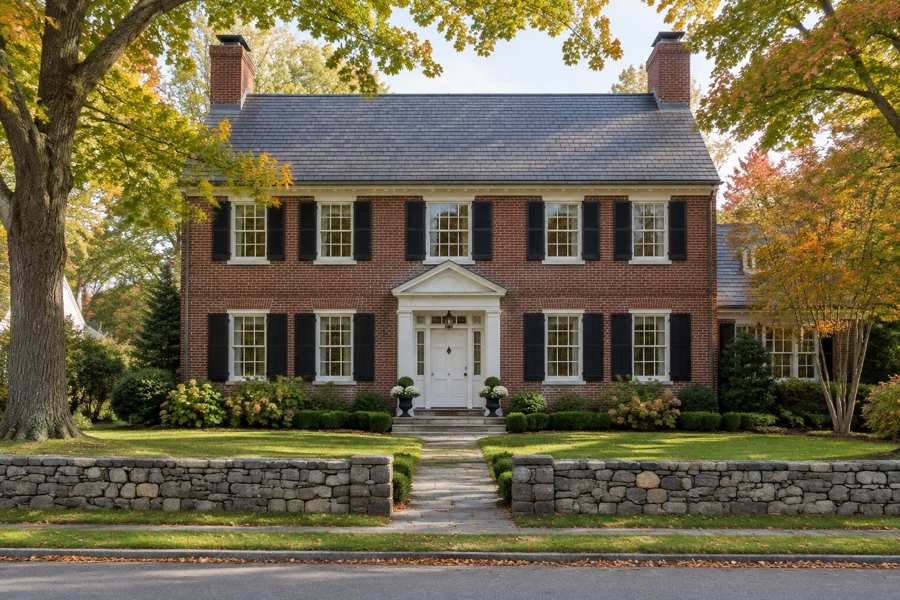
A Winnetka seller should connect a private stormwater detention system to its approved design, actual construction and continuing maintenance before calling the property ready for future improvements. Underground storage can be easy to overlook during a walkthrough. An attractive lawn, new patio or utility credit does not prove that the tank, restrictor, discharge route and maintenance file match the approved plans.
Winnetka's Stormwater Detention Guide describes a one-percent chance in any given year for the hundred-year design event. That is a design probability, not a promise that water occurs only once a century or cannot affect a private home. This guide separates storage, controlled release, final engineering evidence and utility-credit duties while preserving published threshold and rainfall-reference differences for official confirmation.
Identify the Private System and Its Approved Record
Identify the actual private detention system, parcel and governing jurisdiction before describing its function or planning changes. Storage may be underground, and a visible catch basin is only one component. Preserve the issued plans and responsible owner rather than guessing from landscaping. A village utility account, drainage grate or neighborhood storm project does not by itself identify who maintains the private facility or which work was approved.
Winnetka's Stormwater Detention Guide describes detention as capturing excess water, "storing the water for a period of time" and controlling its release. It names underground pipes and tanks as well as surface ponds. The structure serving a private home therefore cannot be understood solely from the surface appearance of the yard.
The village's Utility Services page describes water, electricity, refuse, sanitary sewer and stormwater services. Its stormwater fee uses impervious area. That billing relationship is different from the private facility's permit, design and maintenance evidence. Keep the account and system records separate rather than treating a paid bill as confirmation that storage is functioning.
System file: Parcel identification, accepted plans, storage location, outlet route, system owner, permit identifier and actual inspection records. A seller can preserve the known location of an underground tank without claiming its capacity was measured. This guide inspects no private facility and assigns no operator. Missing plans should remain an open record question, not be replaced with a guess that the village maintains everything beneath a residential lawn.
Preserve the Detention Trigger and Published Threshold Differences
Preserve the accepted detention trigger for the actual project instead of choosing the easiest wording from public documents. New construction, redevelopment and added impermeable area can have different review paths. The village guide, decision tree and code do not use identical threshold language. Keep the issued decision and current office explanation visible before promising that a small addition or surface replacement avoids drainage requirements.
Winnetka's Stormwater Detention Guide uses an increase of "more than 25% impermeable lot coverage" when describing one trigger. The fetched current village code construction section instead uses "greater or equal to 25%". Those phrases differ at the exact boundary. This guide does not silently choose one or calculate a private exemption from a seller's rough lot estimate.
The village's Stormwater Detention Decision Tree separates new homes, previously developed lots, changed use and larger projects. It also warns that the flowchart "does NOT cover floodplain compensatory storage". A no-detention branch should not be presented as permission to disregard floodplain review or every other engineering requirement.
Trigger file: Existing and proposed area calculations, project description, issued determination and current rule confirmation. Winnetka's Work Requiring a Permit page separately lists permits for impermeable surfaces, grading, foundation drainage, sewer work and altered sump discharge. A project should not be reduced to one threshold alone. No private lot area, accumulated development or permit applicability was decided here. Preserve conflicting public instructions and ask the engineering office to identify the controlling current rule.
Keep Storage Volume and Controlled Release Evidence Separate
Keep detention storage and controlled release as separate design and maintenance records. A large tank is not enough if the outlet is wrong, blocked or changed. Likewise, a restrictor does not prove that the intended storage volume exists. Preserve accepted calculations and the actual constructed components without treating a general design equation or a public guide as a professional finding for the private property.
Winnetka's Stormwater Detention Guide says the requirements have "two components: storage volume and release rate" and calls both critical. It describes design events and runoff calculations used to determine storage and discharge. Those engineering explanations are context for a record file, not instructions to replace the engineer's accepted calculations with homeowner arithmetic.
The guide explains that a restrictor controls release and that too small an opening can create clogging concerns. The Public Works and Engineering Design Guidelines describe restrictor location, cleanouts and design requirements. Keep the actual approved restrictor size and location, storage calculation and completed survey instead of inferring capacity from the diameter of an accessible pipe.
Design file: Accepted model inputs, storage volume, release rate, high-water level, inlet and outlet configuration, restrictor and cleanout. A seller who repaired a downstream pipe should preserve that change because it may affect how the system performs. This guide calculates no storage volume or discharge rate and promises no flood protection. Obtain a qualified engineer's explanation before describing a later alteration as equivalent to the original approved design.
Keep Rainfall References and Regional Review in the Record
Keep the accepted rainfall reference and regional permit scope with the project file. Village requirements and regional watershed review are related but not interchangeable. Public sources can carry different rainfall bulletin references and different development thresholds. Preserve the source date and actual approval rather than combining whichever figures appear easiest. A current professional design should identify which standards were accepted for that project.
The village's Detention Guide and Public Works and Engineering Design Guidelines refer to Bulletin seventy-five rainfall data. The fetched village code construction section still refers to Bulletin seventy. This is a meaningful public-source difference, not permission to choose a rainfall dataset privately. Keep the engineer's design basis and the reviewing office's current confirmation.
The Metropolitan Water Reclamation District's Watershed Management Ordinance page identifies its published ordinance as amended in January two thousand twenty-five. Its FAQ discusses permit requirements for development, changes to detention facilities and flood protection areas. A village project decision does not establish every regional requirement, and an MWRD educational summary does not replace the private permit.
Standards file: Applicable village and regional approvals, source dates, accepted rainfall data, calculations and any later revision. MWRD's homeowner brochure explains minimum regional stormwater regulation, while the village decision tree provides a local triage route. Keep them in their stated roles. This article applies no private regional exemption and does not reconcile conflicting rainfall references by assumption. Ask the reviewing engineer or office to document the basis before planning additional impermeable coverage.
Connect Approved Plans to As Built and Final Engineering Evidence
Connect the approved detention design to as-built plans, supporting calculations and final engineering results. A tank invoice or completed lawn does not show that approved storage and release components were constructed. Preserve accepted measurements and corrections before calling a project complete. A buyer should be able to see the difference between proposed drawings, constructed conditions, professional certification and the final public approval.
Winnetka's Public Works and Engineering Design Guidelines require as-built engineering plans and supporting calculations before the applicable occupancy closeout. They say calculations must confirm detention and compensatory storage volumes required by the permit. The design engineer must also certify the restrictor is "the correct size and in the correct location". This is more specific than a general contractor completion letter.
The village's New Single Family Building Permit checklist describes engineering and other submission requirements. Its Impermeable Surface Permit application asks for a written work scope, current survey and plans for proposed improvements. These are records of the planned project; keep them separate from completed and accepted as-built evidence.
Closeout file: Issued permit, approved drawings, revisions, constructed survey, signed calculations, restrictor certification, inspection results and final status. A later patio or driveway should not be assumed covered by the original home permit. This guide certifies no private volume, installed component or occupancy result. Preserve a missing final document as missing evidence and ask the office for the actual status instead of describing a finished-looking yard as completed public compliance.
Preserve Maintenance and Changed Discharge Evidence
Preserve detention maintenance records and any change to the discharge route or control components. A system approved years ago can accumulate debris or lose usable storage. Keep dated inspections, cleaning, repairs and professional findings in the sale file. Do not tell a buyer maintenance is optional because the storage is underground, or that a replacement pump automatically preserves the original design and permit scope.
Winnetka's Detention Guide recommends inspecting a system "at a minimum of once a year" and after major rain events as necessary. It explains that sediment and debris can cause clogging and loss of storage volume. Its cleaning discussion includes professional vacuum or water jet work and checking pumps where used. These are published maintenance recommendations, not a private condition assessment.
The village's Work Requiring a Permit page lists sump-discharge and downspout alterations among projects needing permits, along with grading and sewer changes. Its Plumbing and Sewer checklist asks for work scope and survey evidence. Preserve changes to the system with actual approvals rather than treating downstream pipe replacement or redirected roof water as unrelated landscaping.
Maintenance file: Inspection dates, observed condition, sediment findings, cleaning records, repairs, pump service and accepted revisions. For example, a seller who redirected a downspout after repeated ponding should preserve both the water history and the approval record for the new route. Do not enter tanks, pits or confined drainage spaces to assemble this file; use records and qualified service professionals. This article performs no private inspection, diagnoses no clog and recommends no unapproved excavation.
Keep Stormwater Fee Credit Duties Separate From Construction Approval
Keep any stormwater utility credit with its approval, renewal and maintenance documentation. A reduced bill is not permanent permission to neglect the facility or proof that every construction requirement passed. Credits have their own eligibility and continuing conditions. Preserve the actual account decision and ask what a sale changes before promising the buyer an automatic discount, unchanged credit term or release from inspection duties.
Winnetka's Stormwater Utility page describes credits for qualifying detention and cleaning or discharge outside the village system. The March two thousand twenty-four Stormwater Credit Manual states credits last five years, with renewal needed to continue. It also requires annual documentation during April, including dated condition photographs and records showing maintenance or repairs were completed.
The manual says "Properties that drain to offsite detention facilities are not eligible for credits" and excludes past-due accounts from applying. It describes inspection rights, credit forfeiture and potential surcharges when facilities are not maintained or documentation is inaccurate. An attractive pond nearby does not prove a private parcel is eligible or that its owner received a credit.
The village's General Credit Application distinguishes new applications and renewals and asks for account, parcel and previous approval information. Credit file: Actual approval, credited facility, account, term, renewal, annual records, inspection notices and current bill. This guide claims no private discount or transfer rule. Confirm continued eligibility and any ownership-change steps with the office before advertising the credit as a buyer entitlement. Construction closeout and utility-credit compliance remain separate records.
| Record | What it supports | Cross-check | Does not prove |
|---|---|---|---|
| Approved design | Accepted storage and release | Issued permit and calculations | System built as proposed |
| As-built certification | Constructed design evidence | Volume, restrictor and final status | Future flood safety |
| Maintenance record | Completed upkeep | Dates, condition and repairs | Every permit closed |
| Utility credit approval | Accepted fee reduction | Term, renewal and annual records | Automatic buyer entitlement |
| Effective flood map | Mapped hazard information | Panel date and revisions | Private detention condition |
Finish With Water History and Clearly Labeled Open Questions
Finish the handoff with actual water history, effective map information, issued records and open questions. A detention design event is not a promise that the property cannot flood. Keep source purposes distinct when comparing sale terms. The buyer should see what was built, maintained and approved without relying on a utility credit or a private storage feature as a blanket statement about every future storm.
FEMA's Flood Map Service Center calls itself "the official public source for flood hazard information" for the National Flood Insurance Program and warns that effective information may change. Save the relevant panel and date separately from local drainage history. A flood-map layer does not measure the tank's present storage or certify its restrictor.
The Illinois General Assembly's Residential Real Property Disclosure Report asks about flooding or recurring leakage in a crawl space or basement, floodplain location, plumbing and sewer defects. It defines awareness through actual knowledge and says the disclosures "shall not be deemed warranties". Preserve the seller's actual answers and relevant repairs rather than substituting a claim that the home has approved detention.
Final packet: Parcel and system identification, accepted triggers, design basis, storage and release evidence, as-built closeout, maintenance, later changes, credit status, known water history and unresolved questions. No private flood zone, engineering compliance or disclosure answer is determined here. A direct sale or listing can change the transaction route, not the facts in those records. Obtain responsible-office and professional decisions for consequential gaps before relying on proposed improvements or describing a sale file as complete.
Frequently Asked Questions
These questions reflect Winnetka detention, permitting, utility and credit guidance, regional watershed resources, FEMA mapping and the Illinois disclosure form. They separate design, construction, maintenance and billing. Confirm actual issued decisions and current office instructions before choosing a threshold or rainfall reference, changing a private facility or promising a future owner continued utility credit. No private system was assessed here.
Does a detention system mean the property cannot flood?
No, its design addresses storage and controlled release under specified assumptions. Keep actual history and professional findings separate.
Which exact twenty-five percent threshold should I use?
The village guide and fetched code use different boundary wording. Ask the engineering office for the controlling current rule.
Does the decision tree cover floodplain compensatory storage?
No, its note expressly excludes that question. Preserve the separate floodplain review and issued determination.
Are storage volume and release rate the same record?
No, the guide calls them separate components. Keep accepted calculations and constructed control evidence for both.
Which rainfall bulletin should govern a proposed project?
The guide and engineering guidelines differ from the fetched code reference. Obtain the reviewing office's current accepted basis before design.
Does a finished yard prove as-built closeout?
No, the guidelines call for engineering plans, calculations and certification. Preserve the accepted final records.
Can I redirect a downspout without considering permits?
The village lists altered sump and roof drainage systems among permit categories. Check the actual scope before changing discharge.
Is a utility credit permanent?
The credit manual describes five-year terms, renewal and annual documentation. Confirm the current account decision and any sale-related steps.
Does approved detention replace water-history disclosure?
No, the state form asks about actual knowledge of leakage and defects. Preserve applicable answers and relevant repair history.
How Maison Off-Market Fits a Detention Record Handoff
Maison Off-Market offers a direct purchase route to compare after private detention records are organized. Its process assesses the home and land and may lead to an offer if the property fits. That assessment does not measure storage, certify a restrictor or renew a utility credit. Keep actual written terms separate from public requirements and unresolved drainage questions.
Maison Off-Market's hosted process says "We assess the home and the land" and "If it fits" before describing an offer. These are process claims, not a private Winnetka engineering finding or promised purchase price. An assessment should not replace the accepted detention calculations, maintenance history or public closeout records.
Compare written terms: The site describes no showings, commissions, closing costs or seller repair work, while noting buyer inspections and disclosures remain subject to applicable law and written terms. A direct purchase does not resolve conflicting design references, maintain an underground tank or establish continued credit eligibility. Preserve actual records and open questions when comparing a real offer.
Compare your options before committing. Request a written private offer for your property, with no obligation, then weigh it against your listing plan.
Sources
- Village of Winnetka, Checked October 2026. Stormwater Detention Guide. https://www.villageofwinnetka.org/DocumentCenter/View/3020/Stormwater-Detention-Guide-PDF.
- Village of Winnetka, Checked October 2026. Stormwater Detention Decision Tree. https://www.villageofwinnetka.org/DocumentCenter/View/2486/Stormwater-Detention-Decision-Tree-PDF.
- Village of Winnetka, Checked October 2026. Current Construction Requirements, Section 15.26.100. https://codelibrary.amlegal.com/codes/winnetka/latest/winnetka_il/0-0-0-28124.
- Village of Winnetka, Checked October 2026. Public Works and Engineering Design Guidelines. https://villageofwinnetka.org/DocumentCenter/View/199/Public-Works-and-Engineering-Design-Guidelines-PDF.
- Village of Winnetka, Checked October 2026. Work Requiring a Permit. https://www.villageofwinnetka.org/170/Building-Permit-Applications-Work-Requir.
- Village of Winnetka, Checked October 2026. New Single Family Building Permit. https://villageofwinnetka.org/DocumentCenter/View/338/New-Single-Family-Building-Permit-PDF.
- Village of Winnetka, Checked October 2026. Impermeable Surface Permit. https://www.villageofwinnetka.org/DocumentCenter/View/337/Single-Family-Residential-Impermeable-Permit-Application-PDF.
- Village of Winnetka, Checked October 2026. Plumbing and Sewer Checklist. https://www.villageofwinnetka.org/DocumentCenter/View/334/Plumbing-Miscellaneous-Permit-PDF.
- Village of Winnetka, Checked October 2026. Utility Services. https://villageofwinnetka.org/179/Utility-Services.
- Village of Winnetka, Checked October 2026. Stormwater Utility. https://www.villageofwinnetka.org/295/Stormwater-Utility.
- Village of Winnetka, Checked October 2026. Stormwater Credit Manual, March 2024. https://www.villageofwinnetka.org/DocumentCenter/View/692/Winnetka-Stormwater-Credit-Manual-PDF.
- Village of Winnetka, Checked October 2026. General Credit Application. https://www.villageofwinnetka.org/DocumentCenter/View/690/General-Credit-Application-Form-1-PDF.
- MWRD, Checked October 2026. Watershed Management Ordinance and Technical Guidance. https://mwrd.org/doing-business/watershed-management-ordinance-and-infiltrationinflow/watershed-management-ordinance-wmo-and-technical-guidance-manual-tgm.
- MWRD, Checked October 2026. Homeowner Watershed Management Brochure. https://mwrd.org/sites/default/files/documents/WMO_Brochure-Homeowners_Print_0.pdf.
- MWRD, Checked October 2026. Watershed Management FAQ. http://www.mwrd.org/doing-business/watershed-management-ordinance-and-infiltrationinflow/watershed-management-ordinance-wmo-and-technical-guidance-manual-tgm/watershed-management-ordinance-wmo-frequently-asked-questions-faqs.
- FEMA, Checked October 2026. Flood Map Service Center. https://msc.fema.gov/portal/home.
- Illinois General Assembly, Checked October 2026. Residential Real Property Disclosure Report. https://www.ilga.gov/legislation/ilcs/documents/076500770K35.htm.
- Maison Off-Market, Checked October 2026. Current Hosted Process. https://files.instinct.com/zp8jmzhzb6oc-luxury-off-market-buyer-website.
Related research
Seller Guide · 2026-10-09
How to Assemble South Naples Flood Map and Repair Sale Records
Match effective maps, elevation evidence and approved repair records before presenting a sale file.
Seller Guide · 2026-10-09
How to Prepare Newton Tree Permit and Protection Sale Records
Separate removal permits, exemptions, arborist assessments and replacement obligations before selling.

Seller Guide · 2026-10-09
How to Organize Sevierville Well and Spring Water Sale Records
Separate the water source, construction report, test results and service history before selling.