Seller Guide · by Aidan Sowa · 2026-10-07
How to Prepare Wicker Park Landmark Alteration Sale Records
Connect landmark status, approved exterior work and actual permit records before sale.
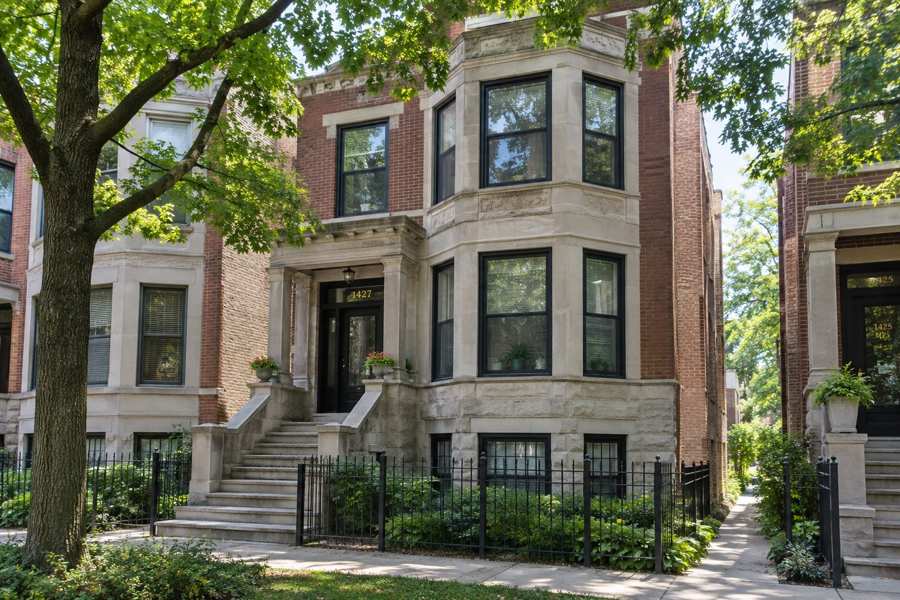
A Wicker Park seller should connect the actual property's landmark status to its approved exterior work before promising that windows, additions or demolition plans are unrestricted. Neighborhood identity, historic-survey color and a building permit answer different questions. Preserve the designation, significant features, accepted drawings and conditions so a buyer understands what the city reviewed and which future changes still need a responsible-office decision.
Chicago's Demolition Delay page describes a hold of up to ninety days for specified red- and orange-rated survey buildings. That is not the same as landmark-district demolition approval or a guaranteed release date. This guide separates those records, exterior repair evidence, project decisions and public database limitations without mapping a private home or certifying that work matches an issued permit.
Identify Actual District Status and the Designated Features
Identify the actual address, district status and significant features before assembling an exterior-work file. A Wicker Park neighborhood label or vintage architectural style does not prove that a private building lies in a designated district. Preserve the adopted ordinance and address-specific record rather than converting a broad boundary description into permission or a restriction finding. Proposed status can also matter to review.
Chicago's Wicker Park District page identifies the district's historical development and broad boundaries, with designation in April nineteen ninety-one. That description helps locate the relevant city record but does not map the private parcel. The city's Owner Q and A says significant features are defined during designation and codified in the adopted ordinance.
The city's August two thousand twenty-six Historic Preservation training says significant features are "Defined in the designation ordinance" and typically include exterior elevations visible from the public way. It notes that interiors may be included on rare occasions. The actual ordinance must decide scope rather than a blanket assertion that every interior or rear elevation is exempt.
Status file: Address, adopted designation, district inclusion, significant features and any proposed status. This guide selects no private landmark record or contributing-building classification. Ask preservation staff to clarify an unclear boundary or feature before describing future work as unrestricted. A seller can explain the property's history without suggesting that every old house in the neighborhood has identical review duties or that style alone establishes legal protection.
Separate Historic Survey Rating From Landmark Permission
Keep historic-survey rating separate from current landmark designation and actual demolition permission. A color-coded inventory and a district ordinance have different purposes. Preserve the relevant rating and current city decision rather than treating the absence of one familiar label as proof that demolition is immediately available. A buyer needs the applicable review route, not a broad promise that old buildings can be removed after a short wait.
The Chicago Historic Resources Survey page explains its color-coded inventory and historical context. Red and orange identify kinds of potential significance; other colors describe differing survey-era condition or age. A survey classification is not a private structural assessment or an issued demolition permit.
The Demolition Delay page describes a hold "up to 90 days" for red- and orange-rated buildings and says the period can be extended by agreement. Its purpose is exploring preservation options. The city's demolition Contact Information page separately says demolition of a designated or proposed landmark may require City Council approval.
Review-route file: Survey rating, actual designation, proposed demolition scope, recorded hold and issued decision. No private hold date, eligible demolition or automatic release is determined here. Keep the route applicable to the actual property instead of choosing whichever rule sounds easiest. A buyer proposing redevelopment should obtain current staff and professional confirmation before relying on a neighborhood description, survey screenshot or a promise that the published delay is the only review.
Preserve Pre Permit Advice Without Calling It an Issued Permit
Preserve pre-permit advice, formal decisions and the actual building permit as separate stages. Early guidance can clarify the project but does not by itself authorize work. Keep each drawing date and approval condition attached to the relevant stage. A seller should not describe a favorable conversation, preliminary committee review or contractor estimate as proof that a later changed design has an issued construction permit.
Chicago's Landmark Permit Review page encourages applicants to seek advice before filing and says "A pre-permit submission can clarify landmark requirements". It distinguishes staff guidance from projects reviewed at a public meeting, including infill, additions and demolition needing further review. The city does not promise every project follows one identical path.
The current Permit Application Submission Requirements document describes building-permit routing to preservation staff and categories requiring Commission or Permit Review Committee review. It says projects previously conditionally approved must address all committee conditions in the permit application. A conditional design decision therefore belongs beside the conditions and later submitted drawings.
Decision file: Advice, submission, drawing version, committee action if applicable, conditions and actual issued permit. No application is submitted or project approved here. Preserve the difference if a seller has only early feedback or if the contractor later changed visible details. A buyer needs to know which work was accepted and which remains a proposal before taking over a project, choosing a completion date or paying for materials.
Connect Exterior Conditions to Drawings and Material Details
Connect the existing exterior to the accepted drawings, photographs and material details. A general note that work matches the historic style is not the same as a documented review of window profiles, masonry, roofing or entrances. Preserve before-and-after evidence and actual conditions. A seller should not assume replacement materials are approved merely because their color appears similar or a neighboring building uses them.
Chicago's Permit Application Submission Requirements calls for existing and proposed conditions and work-specific documentation. Its alteration checklist includes photographs, details, drawings or samples and information on proposed features. For additions it asks for plans, elevations and sections, with demolition or engineering information where applicable.
The city's Standards for Rehabilitation and Guidelines for Alterations say distinctive deteriorated features should be "repaired rather than replaced" and describe matching replacement when deterioration requires it. That is review guidance, not an inspection finding that any private window is beyond repair or that a selected substitute has been approved.
Exterior file: Existing condition, accepted plan, dimensions, material specifications, drawing date, approved changes and completion evidence. No window or masonry inspection occurs here. Keep contractor proposals separate from the city's actual accepted scope. If the buyer wants a different material or opening size, ask for current review rather than presenting the seller's earlier permit as a transferable blank check for any similar-looking design.
Preserve Window Repair and Replacement Evidence
Preserve the actual window condition, proposed remedy and accepted replacement details. Repair, partial component replacement and full replacement are different scopes. Keep original profiles and opening dimensions visible in the record. A seller should not describe an energy-efficiency upgrade or a contractor's standard product as automatic landmark approval, nor assume that a public preservation principle proves a particular private window must always remain unchanged.
Chicago's Standards for Rehabilitation and Guidelines for Alterations says the first approach is to "retain and repair" existing sash and frames. If full replacement is unavoidable it describes matching design, operation, material, glass size, muntin arrangements, profiles and trim. These details are more specific than a broad claim that the new window looks historic.
The Permit Application Submission Requirements describes documentation of exterior features and alterations. Keep the accepted window schedule, specifications and actual city condition with photographs. A product brochure alone does not show that staff approved installation at a particular elevation or opening.
Window file: Condition report, repair option, accepted replacement details, permit and later approved changes. No private repairability, energy performance or approval finding is made here. A buyer should see which work the record actually covers and which future choices remain open. Ask preservation staff and the qualified contractor about gaps before promising that a new unit, altered opening or different profile can be installed under a previous decision.
Keep Masonry Entrances and Roof Evidence in the Same File
Keep masonry treatment, entrance details and roof changes with the exterior approval record. A cleaned facade or recently rebuilt stair can affect historic features even when the owner sees the work as ordinary upkeep. Preserve methods and materials rather than only a paid invoice. A seller should not assume aggressive cleaning, new porch enclosure or changed roof profile is acceptable because the house looks finished.
The city's Standards for Rehabilitation warns against damaging chemical or physical treatments and says structures should use the "gentlest means possible" for appropriate cleaning. Its local guidelines discuss masonry, doors, entrances, porches and roof shapes. This is evidence for asking about actual methods, not a private diagnosis of the facade.
The August two thousand twenty-six Historic Preservation training emphasizes retaining distinctive materials and compatible additions while keeping new work distinguishable. The permit submission document asks for existing and proposed details. Preserve any approved treatment method and later field change alongside that guidance.
Feature file: Before condition, material and treatment choice, accepted drawings, contractor record, approved variation and completion. No cleaning, structural inspection or roofing decision is made through this guide. If a seller knows the installed work differs from the accepted plan, keep that fact visible and obtain responsible-office direction. An invoice or attractive photograph should not substitute for evidence that a modified entrance or roof feature received the required review.
Keep Permit Search Results and Violation Status Within Their Limits
Keep address-based permit and violation search results with their dates and limits. An online record can help locate a project, but it is not a guarantee that all history is present or that every open matter is closed. Preserve exact address ranges and record identifiers. A seller should not call a property fully compliant merely because one search is empty or a permit appears in the database.
Chicago's Search Building Department Records page says an address search can return permits, enforcement activity, inspections and alleged violations when the electronic system contains data. The Building Permit and Inspection Records User Agreement disclaims guarantees of accuracy, timeliness and "completeness". Keep that caveat with conclusions drawn from a search.
The city's two thousand thirteen Preservation Report includes a Wicker Park rehabilitation award describing resolution of earlier citations and a court case alongside restoration work. That historical example shows different record categories can coexist, but proves nothing about the current seller's private building or a present enforcement matter.
History file: Exact address range, permit identifier, inspection results, violation or case status and accepted resolution. No private address search, court conclusion or clearance is performed here. An empty result should remain not found in that search rather than a statement that no permit or violation ever existed. Ask the responsible office for missing records and current status before promising the buyer a complete clean history.
| Record | Role | Cross-check | Does not prove |
|---|---|---|---|
| Designation ordinance | Protected status and features | Actual address and scope | Every neighborhood home included |
| Survey rating | Historical inventory category | Current relevant record | Landmark or demolition permission |
| Conditional design decision | Reviewed proposal | Drawing date and conditions | Issued construction permit |
| Exterior permit | Accepted work scope | Actual materials and changes | Future alterations unrestricted |
| Database result | Recorded history lead | Date and source limits | Every matter closed |
Finish With Accepted Scope and Clearly Labeled Future Plans
Finish with designation evidence, actual decisions and the accepted scope of completed work. Keep future additions and demolition ideas labeled proposals, not property entitlements. A sale does not itself make a project reviewed or erase a condition. A buyer should see which records are issued, which are conditional and which still need preservation, building, zoning or other relevant city review.
The current Permit Application Submission Requirements says incomplete submissions may cause review to be "deferred" and requires conditionally approved projects to address the conditions. The city's Landmarks Ordinance and Rules document explains permit review and penalties and remedies. No private violation or penalty is asserted from that general framework.
The demolition Contact Information page distinguishes multiple city holds and says designated or proposed landmark demolition may require City Council approval. The Landmark Permit Review page distinguishes staff from public-meeting review. A seller should not present preservation feedback as confirmation that every other necessary approval has been obtained.
Final packet: Actual status, significant features, survey rating where relevant, accepted plans, permit, conditions, material evidence, completed inspections, current enforcement status and future proposals. No private work, application or exemption is approved here. Compare written purchase terms with those records and ask staff and the closing professional to resolve consequential gaps. A direct sale changes the buyer route, not the record or future project review.
Frequently Asked Questions
These questions reflect Chicago landmark, rehabilitation, permit, survey, demolition and public-record guidance. They separate legal status from neighborhood identity and accepted work from future plans. Confirm the actual address, significant features and issued decisions before describing replacement, addition or demolition rights. No private building, boundary, material condition, permit status or enforcement outcome was decided here.
Does a Wicker Park address prove landmark-district inclusion?
No, confirm the actual property and adopted designation. Neighborhood identity is not a boundary determination.
Does survey color mean the same as landmark status?
No, the city describes distinct inventory and designation records. Preserve the relevant review route separately.
Does the demolition delay guarantee permission after its published period?
No, the city describes a review hold and possible extension. Landmark and other approvals can remain separate.
Does pre-permit advice authorize construction?
No, keep advice distinct from an issued permit. Preserve later drawings and conditions.
Is every replacement window automatically acceptable if its color matches?
No, the standards address multiple design and material details. Keep the actual accepted specifications.
Does a repair invoice prove the facade treatment was approved?
No, invoices and permit evidence serve different roles. Preserve the accepted method and actual work.
Does an empty database search prove no earlier violation existed?
No, the city disclaims completeness of public records. Request missing history and current status where consequential.
Does a preservation decision complete every other city approval?
No, the documents describe multiple review requirements. Keep issued permits and actual remaining conditions separate.
Can a direct buyer waive landmark review for future work?
A purchase route does not replace public permissions. Compare the real proposal with the actual record.
How Maison Off-Market Fits a Landmark Record Handoff
Maison Off-Market offers a direct purchase route to compare after exterior and landmark records are organized. Its process assesses the home and land and may lead to an offer if the property fits. That assessment does not approve alterations, resolve enforcement or grant demolition permission. Keep written purchase terms separate from issued decisions and unresolved future-project questions.
Maison Off-Market's live hosted process says "We assess the home and the land" and "If it fits" before describing an offer. Those are purchase-process statements, not a Wicker Park landmark finding or permit approval. Preserve the accepted exterior record when discussing a proposal.
Compare written terms: The hosted site describes no showings, commissions, closing costs or seller repair work, while stating buyer inspections and disclosures remain subject to applicable law and written terms. A direct purchase does not erase city conditions or guarantee an addition. Keep actual record gaps visible.
Compare your options before committing. Request a written private offer for your property, with no obligation, then weigh it against your listing plan.
Sources
- City of Chicago, Checked October 2026. Chicago Landmarks - Owner Q and A. https://webapps1.chicago.gov/landmarksweb/web/ownersqanda.htm.
- City of Chicago, Checked October 2026. 03-F Historic Preservation_Self-Certification Training 2026. https://www.chicago.gov/content/dam/city/depts/bldgs/general/Self_Cert_Program/2026/03-F.pdf.
- City of Chicago, Checked October 2026. Chicago Landmarks - District Details. https://webapps1.chicago.gov/landmarksweb/web/districtdetails.htm?disId=36.
- City of Chicago, Checked October 2026. City of Chicago :: Landmark Permit Review. https://www.chicago.gov/city/en/depts/dcd/provdrs/hist/svcs/permit_review.html.
- City of Chicago, Checked October 2026. PERMIT APPLICATION SUBMISSION REQUIREMENTS. https://www.chicago.gov/content/dam/city/depts/zlup/Historic_Preservation/Publications/Permit_Application_Submission_Requirements_2025.pdf.
- City of Chicago, Checked October 2026. Standards for Rehabilitation and Guidelines for Alterations. https://www.chicago.gov/content/dam/city/depts/zlup/Historic_Preservation/Publications/Standards_for_Rehabilitation_2025.pdf.
- City of Chicago, Checked October 2026. Landmarks Ordinance. https://www.chicago.gov/content/dam/city/depts/zlup/Historic_Preservation/Publications/Chicago_Landmarks_Ordinance_2025.pdf.
- City of Chicago, Checked October 2026. City of Chicago :: Search Building Department Records. https://www.chicago.gov/city/en/depts/bldgs/provdrs/inspect/svcs/building_violationsonline.html.
- City of Chicago, Checked October 2026. Building Permit and Inspection Records: Agreement. https://webapps1.chicago.gov/buildingrecords/.
- City of Chicago, Checked October 2026. Chicago Landmarks - Historic Resources. https://webapps1.chicago.gov/landmarksweb/web/historicsurvey.htm.
- City of Chicago, Checked October 2026. City of Chicago :: Demolition Delay. https://www.chicago.gov/city/en/depts/dcd/supp_info/demolition_delay.html.
- City of Chicago, Checked October 2026. Contacts. https://www.chicago.gov/city/en/sites/guide-to-building-permits/home/instructions/special/demolition/contact.html.
- City of Chicago, Checked October 2026. Chicago Landmarks Preservation Report and Awards. https://www.chicago.gov/content/dam/city/depts/zlup/Historic_Preservation/Publications/2013_CLG_Report_and_Awards.pdf.
- Maison Off-Market, Browser checked October 2026. Current Hosted Process. https://files.instinct.com/zp8jmzhzb6oc-luxury-off-market-buyer-website.
Related research

Seller Guide · 2026-10-09
How to Assemble South Naples Flood Map and Repair Sale Records
Match effective maps, elevation evidence and approved repair records before presenting a sale file.
Seller Guide · 2026-10-09
How to Prepare Newton Tree Permit and Protection Sale Records
Separate removal permits, exemptions, arborist assessments and replacement obligations before selling.
Seller Guide · 2026-10-09
How to Organize Sevierville Well and Spring Water Sale Records
Separate the water source, construction report, test results and service history before selling.