Seller Guide · by Aidan Sowa · 2026-10-07
How to Prepare Tucson Native Plant Sale Records
Separate native plant plans, grading outcomes and protected land records before promising future landscape changes.
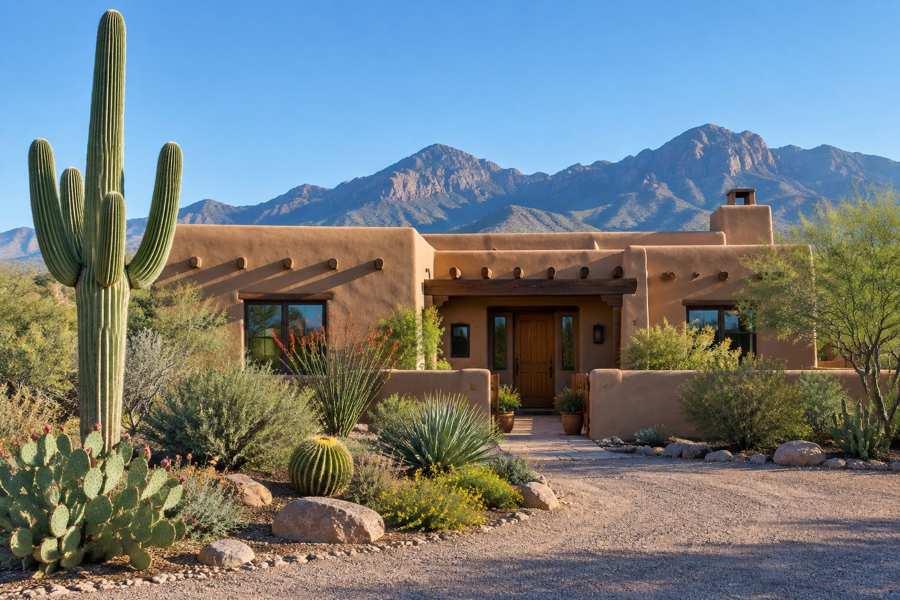
A Tucson-area seller should show which native plant plan and land-use decisions actually apply to the property before promising a cleared yard or room for an addition. City, unincorporated county and state plant records have different scopes. Preserve jurisdiction, accepted plans, grading outcomes and recorded natural areas instead of treating a landscape invoice or empty map layer as complete approval.
Pima County's native plant preservation code describes a minimum thirty percent protected natural-open-space area within its set-aside method. That is a method-specific standard, not a claim that every Tucson home has the same restriction. This guide separates jurisdiction, applicable plant plans, inventory and salvage, protected areas, grading, state records, construction outcomes and seller disclosure.
Identify the Jurisdiction and the Actual Parcel
Begin with the parcel, legal description, survey and responsible land-use office. A Tucson mailing address does not alone establish City of Tucson jurisdiction. Keep city, county, state and private association records separate. Match every plan and decision to the actual land before describing landscape rights, and preserve uncertain boundaries or recorded restrictions until the responsible professional or office responds.
Pima County's How Do I Obtain a Permit guidance distinguishes "unincorporated Pima County" from Tucson city limits and other municipalities. The county's Online Building Permits page describes its own application route. Those sources should not be blended into a universal Tucson permit rule, especially when the sale file uses a postal place name rather than the issuing authority.
The City of Tucson native plant applicability section expressly refers to new development in the city and describes expansion and exception paths. Pima County's separate applicability section uses grading and development-plan triggers with its own exceptions. Establish the actual office and applicable project before using either threshold to explain an older home or a proposed landscape change.
Identity file: Parcel identifier, address, legal description, survey, jurisdiction, subdivision plan, applicable association documents and search date. No private parcel or title was searched here. Ask the title and survey professionals about actual boundaries and recorded areas, and the receiving office about permit history. Keep a subdivision-wide document connected to the actual lot. A nearby city permit, association letter or contractor invoice does not establish that this property follows the same review or that every owner consent is complete.
Preserve the Applicable Plant Plan and Any Accepted Exception
Keep the full preservation plan, accepted method and actual exception decision rather than assuming every lot uses one percentage or exemption. Project dates, subdivision history, plant evidence and later work can matter. Preserve the responsible-office outcome and its conditions. A seller should not declare unrestricted landscaping merely because an older home exists or a public search did not return a plan.
Pima County's Native Plant Preservation Applicability and Exceptions section applies its requirements to stated grading and development situations and identifies exceptions. Its methods section describes alternatives rather than a single universal set-aside. Keep the accepted method with the actual project instead of claiming the county's thirty percent method applies automatically to every private residential lot.
City of Tucson Section Seven Point Seven Point Three describes historical residential exceptions, expansion rules and approved no-plant or no-impact exception paths. It uses a twenty-five percent expansion distinction with a stated cumulative-work context. The city's Permitted Exceptions section requires documentation reviewed by Planning and Development Services. An owner's informal assertion is not the same as the accepted exception required for that path.
Applicability file: Issuer, full approved plan, method, relevant lot and project dates, exception evidence, accepted outcome and later changes. No exception was requested or determined here. Ask the responsible office how historical subdivision approval and current work interact. Keep time-limited decisions with their actual dates rather than promising they authorize every future project. An application, professional letter or site photograph can support review without itself creating the public outcome. Missing evidence should remain visible until a qualified professional and the office connect it to the property.
Connect Plant Inventory to Preservation and Salvage Outcomes
Preserve the actual inventory, mapped plant identifiers and accepted treatment for each relevant specimen. A contractor list or nursery receipt does not establish the approved preservation method or successful salvage. Keep retained, transplanted and removed plants distinct. A seller should not describe a garden photograph as proof that every protected plant was counted, preserved or accepted by the reviewing office.
City of Tucson's Plant Preservation and Salvage Plan requirements connect the plant inventory with analysis and mapped treatment. The text distinguishes "preserved-in-place", salvaged and transplanted onsite, removed and destroyed plants. Those labels have different meanings; do not collapse them into a general claim that landscaping was completed.
The city code's plant-inventory method identifies fifty percent preservation or onsite transplanting for viable saguaros and ironwoods within its stated context and thirty percent for other viable protected species. These are method-specific rules, not this lot's measured inventory or a guaranteed survival rate. County methods differ, so keep the original approved plant plan instead of importing the city percentages into a county record.
Inventory file: Approved plant list, professional, species, condition, keyed map, accepted treatment, salvage or transplant records and any required inspection or mitigation outcome. No plant was identified or evaluated here. Ask the plant professional and receiving office about missing specimens, changed plans or failed transplants. Preserve documented losses and accepted corrective work rather than using a new cactus purchase to imply one-for-one compliance. The buyer should be able to connect each important record to a mapped plant, not infer protected status from the illustrative hero image.
Keep Natural Open Space and Recorded Land Limits Visible
Preserve the approved natural-area boundary and any recorded dedication or restriction with the survey and plant plan. A setback drawing, informal garden edge or apparently unused land is not the same as a protected open-space record. Keep method and scope visible. A seller should not promise that an open patch can become a pool, driveway or addition without the responsible-office and professional determination.
Pima County's set-aside method describes the highest-resource-value area as "permanently protected natural open space" where development shall not occur, within the stated method. Its posted Single Residential Lot Set-Aside Guidelines, revised in two thousand nine, describes the method's enduring natural-area and specimen-preservation records. Preserve that document's age rather than presenting it as a new parcel-specific ruling.
The county's Hillside Development Checklist calls for a "surveyed and recorded" dedicated natural area if required, along with grading plans and other relevant evidence. That distinguishes a proposed boundary from the actual accepted and recorded outcome. City native-plant and related environmental-zone standards have their own rules; a county checklist does not prove the same dedication applies inside the city.
Land-limit file: Approved natural-area plan, survey, actual dedication or restriction if required, recording evidence, amendments and responsible-office explanation. No land right was interpreted or altered here. Ask the title professional and land-use office how the actual instrument affects buyer plans. Keep application sketches and recorded boundaries labeled by stage. A sale proposal does not release a dedication, and a mowed or previously disturbed area is not proof that the restriction vanished. Preserve unresolved differences between the field condition, plan and recorded evidence instead of quietly choosing the most buildable-looking boundary.
Separate Hillside and Grading Outcomes From Plant Approval
Keep grading, hillside and stabilization records beside plant decisions, each labeled by purpose. Permission to preserve or transplant plants does not itself approve earthwork, and a grading permit does not settle every protected-land question. Preserve actual slopes, disturbance limits and accepted revisions. A seller should not infer usable development area or future expansion capacity from a level-looking photograph or contractor estimate.
Pima County's Grading Requirements page identifies several Type One triggers, including fourteen thousand square feet of graded area for the stated single-dwelling context and grading on slopes of fifteen percent or greater. It separately lists qualified exemptions and warns that other departments may need to act first. Keep the actual project and full conditions rather than turning one smaller number into a universal permit-free rule.
The county's Hillside Development Checklist requires defined grading limits, topography, proposed structures, stabilization and other plans, with plant preservation and dedicated natural area records where needed. City of Tucson's Permit Exemptions page separately says several conditions must all be met for its small grading exception, with regulated zones and altered drainage requiring further attention. Do not combine city and county conditions into a new hybrid rule.
Earthwork file: Accepted survey and topography, grading and hillside decisions, disturbance limits, drainage and stabilization details, plant-plan connection, inspections and amendments. No slope or disturbed area was measured here. Ask the responsible office and design professional about undocumented fill, changed driveways or future earthwork. A landscaping receipt does not establish an accepted grading outcome. Keep unresolved erosion, drainage and land-disturbance questions visible instead of promising that a planted yard proves every prior hillside or earthwork condition was completed.
Separate State Plant Records From Local Land Use Decisions
Keep Arizona plant notices, permits, tags and owner permission separate from local grading and preservation approval. Destruction, salvage, transport and sale have different statutory contexts. Preserve the actual plant, land, action and exception rather than promising one universal state process. A seller should not treat ownership alone, a local permit or an old general brochure as permission for every protected-plant activity.
Arizona Revised Statutes Section Three Nine Hundred Four describes a conditional private-land destruction notice route with twenty, thirty and sixty day notice periods tied to area. It also contains an exception for individually owned residential property of ten acres or less where initial construction has occurred. Preserve the actual statutory scope and ask the Department of Agriculture or counsel before deciding whether that exception applies.
Section Three Nine Hundred Eight separately addresses taking protected plants, required permissions, permits and related tags or receipts. It says unused tags, seals or receipts can become invalid on ownership change unless the new owner certifies permission in writing within its stated context. That is directly relevant to a handoff, but it is not a claim that every ordinary house sale needs a new plant permit.
State file: Actual species and action, owner permission, notice or permit where required, associated tags or receipts, dates, remaining unused authorization and responsible-office guidance. No plant removal or notice was submitted here. The University of Arizona Native Plant Law publication gives older general orientation, but this guide preserves the statute's exceptions instead of repeating a blanket permission claim. The posted agriculture rules PDF also has historical dating. Confirm current rules for the actual action rather than treating those older resources as final private legal advice or local land-use approval.
Recover Actual Records Instead of Relying on Map Silence
Use maps and permit portals to locate leads, then preserve the original accepted plans and outcomes. A blank layer or brief search does not prove there is no preservation plan or land restriction. Keep record dates and search limits visible. A seller should not describe incomplete public coverage as a clean permit, title or plant-compliance result for the property.
Pima County's Native Plant Preservation Plans GIS layer expressly says "Not all" plan areas are represented. Its metadata explains that archiving changed after two thousand eight and that some plan images lack mapped polygons. Treat that as a coverage warning, not a current count of missing plans on this property or proof that no plan applies where the layer is blank.
The county's Building and Site Development page distinguishes final inspection and occupancy outcomes by permit type. It specifically says final inspection approval of single-family dwellings constitutes the occupancy certificate and that "A separate Certificate is not issued" in that county context. Do not call such a file deficient merely because it lacks a separately titled certificate, or transfer that record convention to a City of Tucson permit.
Recovery file: Parcel, search scope, source and date, actual permit, complete accepted plan, inspection result, related documents and missing questions. No public-record request or private permit search was completed here. Ask the issuing office about older or incomplete records and the title professional about recorded restrictions. Keep an application number, approved review and accepted final labeled separately. A contractor's completion statement or portal entry may be useful without establishing every requirement, so preserve original evidence rather than upgrading a short status summary into a broad compliance certificate.
Finish With Honest Disclosure and a Land Record Matrix
Finish by identifying each record's purpose, issuer, date, property and unresolved condition. Keep known changes and land-use concerns visible with the transaction professional. A buyer should receive actual preservation, grading and recorded-land evidence with its limits rather than a promise that an organized folder approves future building, certifies plant health or replaces professional inspection and legal review.
The Arizona Department of Real Estate hosts the January two thousand twenty-five Buyer Advisory, prepared with the Arizona Association of REALTORS. Its repair and construction section recommends requesting "permits, invoices or other documentation" and qualified evaluation. That is practical transaction guidance, not a private finding that this property's historic work was allowed or correctly performed.
The advisory stresses the scope of inspection and portions excluded from it, while directing buyers to investigate relevant property conditions. Preserve known plant removal, undocumented grading, unresolved notices and recorded-area issues with the broker or counsel. This guide does not complete a seller form, decide a material defect or imply that the broker's knowledge is identical to the owner's. Applicable disclosure and contract duties need transaction-specific advice.
Handoff matrix: Record, land or plant, issuer, date, stage, scope, conditions, accepted outcome and missing evidence. Keep jurisdiction, approved plans, inventory, salvage, natural-area instruments, grading, state authorization and construction results linked. No disclosure or private legal advice was given here. Useful organization helps compare sale routes, but a purchase proposal does not remove a protected area, validate unused tags, approve a transplant or certify that a future project fits the actual law and recorded land limits.
| Record | Main role | Cross-check | Does not prove |
|---|---|---|---|
| Jurisdiction evidence | Correct reviewing office | Parcel and boundary | Project permission |
| Plant plan | Accepted preservation method | Inventory and conditions | Grading approval |
| Salvage record | Actual plant treatment | Plan and accepted outcome | Every specimen survives |
| Recorded natural area | Specified land limit | Survey and instrument | Future expansion right |
| Grading outcome | Accepted earthwork scope | Plans and actual result | All plant duties finished |
| State permit or notice | Specified plant activity | Scope and current validity | Local land use approval |
Frequently Asked Questions
These questions follow City of Tucson and Pima County plant, grading, hillside and permit guidance; state protected-plant statutes; and the state-hosted buyer advisory. They distinguish jurisdiction, accepted plans, recorded land limits and state authorization. Confirm the actual parcel and current office requirements before promising a complete handoff. No private plant, grading condition, permit, title or natural-area boundary was evaluated.
Does a Tucson mailing address establish city jurisdiction?
No, confirm the parcel and responsible reviewing office. Keep county and city requirements separate.
Does every home automatically have a thirty percent set-aside?
No, that percentage belongs to a specified method. Preserve the actual applicability and approved plan.
Does an exception application prove the exception was approved?
No, keep the actual public decision and conditions. Owner evidence and approval are different stages.
Does a nursery receipt prove preservation duties are complete?
No, match plant treatment to the accepted plan. Preserve required mitigation and accepted outcomes.
Does an empty county plant layer prove no plan applies?
No, its metadata warns about incomplete coverage. Recover the original property and subdivision records.
Does a grading permit replace state plant authorization?
No, the records have different purposes and scopes. Confirm the actual plant action and relevant requirements.
Does the state destruction notice apply identically to every residential lot?
No, the statute contains conditions and an explicit residential exception. Ask the responsible office or counsel about actual applicability.
Does every county single-family final need a separate occupancy certificate?
The county says its accepted final constitutes the certificate in that context. Confirm the actual permit and do not assume the city uses the same convention.
Can a direct purchase release a protected natural area?
No, a purchase proposal does not issue that land-use outcome. Compare written terms while preserving actual restrictions and missing answers.
How Maison Off-Market Fits a Plant Record Sale Handoff
Maison Off-Market offers a direct purchase route to compare after plant and land records are organized. Its process assesses the home and land and may lead to an offer if the property fits. That assessment does not approve grading or release protected areas. Keep written purchase terms separate from public decisions, professional evidence and honest seller disclosure.
Maison Off-Market's live hosted process says "We assess the home and the land" and "If it fits" before describing an offer. Those are purchase-process statements, not a Tucson plant inventory, hillside decision or interpretation of a recorded natural area. Preserve the actual file and unresolved questions when comparing a proposal.
Compare written terms: The hosted site describes no showings, commissions, closing costs or seller repair work, while saying buyer inspections and disclosures remain subject to applicable law and written terms. A direct purchase does not release a land limit or approve plant removal. Keep missing acceptance visible rather than presenting convenience as public compliance.
Compare your options before committing. Request a written private offer for your property, with no obligation, then weigh it against your listing plan.
Sources
- Pima County, Checked October 2026. Native Plant Applicability and Exceptions. https://codelibrary.amlegal.com/codes/pimacounty/latest/pimacounty_az/0-0-0-22061.
- Pima County, Checked October 2026. Native Plant Plan Methods. https://codelibrary.amlegal.com/codes/pimacounty/latest/pimacounty_az/0-0-0-22118.
- Pima County, Checked October 2026. Single Residential Lot Set-Aside Guidelines. https://content.civicplus.com/api/assets/9ba48503-6f2f-43ce-9303-675d3c920c58.
- Pima County, Checked October 2026. Hillside Development Checklist. https://www.pima.gov/1136/Hillside-Development-Checklist.
- Pima County, Checked October 2026. Grading Requirements. https://www.pima.gov/1132/Grading-Requirements.
- Pima County, Checked October 2026. Native Plant Plan GIS Metadata. https://gisdata.pima.gov/arcgis1/rest/services/GISOpenData/OverlayDevelopment/MapServer/11.
- Pima County, Checked October 2026. Building and Site Development. https://www.pima.gov/building-site-development.
- Pima County, Checked October 2026. Online Building Permits. https://www.pima.gov/online-building-permits.
- Pima County, Checked October 2026. How Do I Obtain a Permit. https://oldcms.pima.gov/cms/One.aspx?pageId=61605&portalId=169.
- City of Tucson, Checked October 2026. Native Plant Applicability. https://codelibrary.amlegal.com/codes/tucson/latest/tucson_az_udc/0-0-0-6187.
- City of Tucson, Checked October 2026. Native Plant Permitted Exceptions. https://codelibrary.amlegal.com/codes/tucson/latest/tucson_az_udc/0-0-0-9305.
- City of Tucson, Checked October 2026. Plant Preservation and Salvage Plan. https://codelibrary.amlegal.com/codes/tucson/latest/tucson_az_udc/0-0-0-9329.
- City of Tucson, Checked October 2026. Permit Exemptions. https://www.tucsonaz.gov/Departments/Planning-Development-Services/Permits/Tucson-Permit-Exemptions.
- Arizona Legislature, Checked October 2026. Section 3-904. https://www.azleg.gov/ars/3/00904.htm.
- Arizona Legislature, Checked October 2026. Section 3-908. https://www.azleg.gov/ars/3/00908.htm.
- University of Arizona Cooperative Extension, Checked October 2026. Arizona Native Plant Law. https://extension.arizona.edu/publication/arizona-native-plant-law-what-you-need-know.
- Arizona Department of Agriculture, Checked October 2026. Posted Native Plant Rules. https://agriculture.az.gov/sites/default/files/Native%20Plant%20Rules%20-%20AZ%20Dept%20of%20Ag.pdf.
- Arizona Department of Real Estate and Arizona Association of REALTORS, Checked October 2026. Buyer Advisory. https://azre.gov/sites/default/files/2025-08/Buyer%20Advisory%20January%202025.pdf.
- Maison Off-Market, Browser checked October 2026. Current Hosted Process. https://files.instinct.com/zp8jmzhzb6oc-luxury-off-market-buyer-website.
Related research

Seller Guide · 2026-10-09
How to Assemble South Naples Flood Map and Repair Sale Records
Match effective maps, elevation evidence and approved repair records before presenting a sale file.
Seller Guide · 2026-10-09
How to Prepare Newton Tree Permit and Protection Sale Records
Separate removal permits, exemptions, arborist assessments and replacement obligations before selling.
Seller Guide · 2026-10-09
How to Organize Sevierville Well and Spring Water Sale Records
Separate the water source, construction report, test results and service history before selling.