Seller Guide · by Aidan Sowa · October 7, 2026
How to Prepare Santa Rosa Wildfire Records Before Selling
Separate map evidence, defensible-space assessments and home-hardening work before the sale handoff.
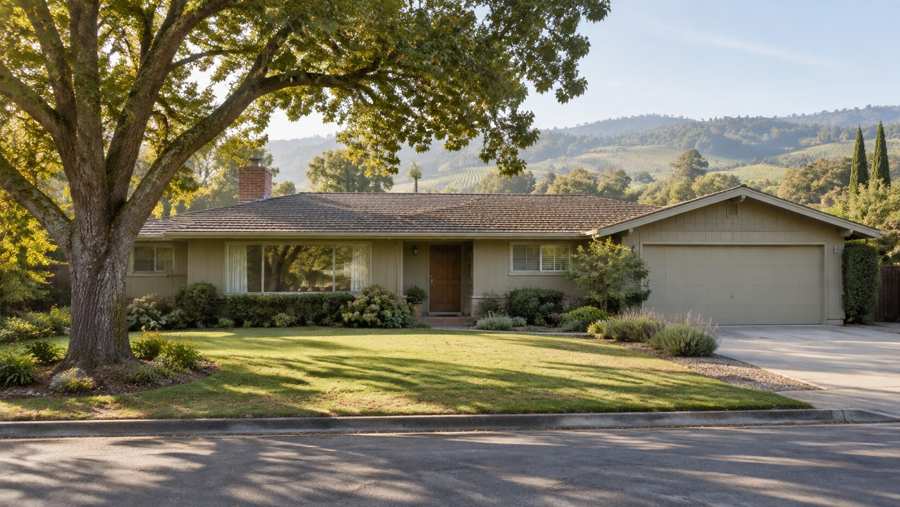
A Santa Rosa seller's wildfire packet should separate mapped hazard, the responsible fire agency, actual defensible-space assessment and documented work. A trimmed yard, an old inspection and a current-looking map answer different questions. Before selling, preserve the original evidence and unresolved items rather than calling a home fireproof or treating a landscape invoice as official compliance.
Santa Rosa's AB Thirty-Eight Property Sales page says an assessment conducted by its fire department within the prior six months of the sale is considered valid. That is stated assessment context, not a six-month guarantee against wildfire or proof that any reader's property has been assessed. This guide follows official homeowner questions about jurisdiction, mapped zones, compliance documentation and transaction handoff, without querying a private parcel or ordering any work.
Ground City Jurisdiction and the Responsible Fire Agency
Start with the actual property, jurisdiction and responsible fire agency before applying Santa Rosa rules. The city and unincorporated Sonoma County describe different service contexts. A Santa Rosa mailing address or ZIP code does not decide the inspection route. Keep the verified authority information together with the property identification and do not reuse another home's map or assessment.
Santa Rosa's AB Thirty-Eight Property Sales page states that the city is a Local Responsibility Area and has no State Responsibility Area within city limits. It describes CAL FIRE High and Very High severity zones within the city's Wildland Urban Interface area. Those statements provide city context, not a finding about an individual address or the correct authority outside city limits.
The same page explicitly says, "If your home is NOT in the City limits of Santa Rosa, please contact your responsible local fire agency." Permit Sonoma's Property Sales Inspections page separately addresses State Responsibility Area properties in designated High or Very High zones. Do not route a county property through the city merely because both resources have Santa Rosa addresses.
Identity sheet: Preserve the actual property and parcel identification, documented jurisdiction, responsible fire agency and source/date of that verification. Keep the identifiers consistent across maps, assessment reports and transaction documents. If older records use a different parcel description, retain the original and document the verified connection rather than silently editing the report.
This article describes public resources and record categories. It has not entered a private address into a viewer, decided jurisdiction, contacted a fire agency or confirmed whether the transfer falls within a particular legal provision. The applicable authority and qualified transaction review should establish those private facts.
Separate Severity Zones, WUI Boundaries and Property Risk
Keep the relevant severity-zone map and local Wildland Urban Interface information separate, dated and tied to the actual property. They are different layers with different purposes. A hazard map does not inspect landscaping, certify hardening or predict a specific loss. Preserve the actual map source and status rather than treating a broad ZIP label as a property determination.
The Office of the State Fire Marshal's Fire Hazard Severity Zones page explains its three classifications: Moderate, High and Very High. Its science-based model considers factors such as fuels, terrain, fire weather and ember movement. It describes hazard over a thirty-to-fifty-year period, without incorporating mitigation such as hardening and fuel-reduction work into that hazard label.
The state page says, "Fire Hazard Severity Zone maps evaluate “hazard,” not “risk”." Its distinction matters for a seller packet: mapped hazard and existing property conditions are not interchangeable evidence. A newly cleared yard does not itself revise the map classification, while a map classification does not establish that the yard fails a particular inspection.
Santa Rosa's AB Thirty-Eight page describes state-mapped High and Very High zones and separately refers to the city's WUI area. The city's Vegetation Management page describes requirements across the WUI, including areas not identified by the state. Preserve both relevant categories rather than turning not in one named zone into an exemption from every local vegetation rule.
Map record: Keep source, layer name, publication or access date, actual property identification and the authority's relevant determination. Do not crop away the legend or label a proposed boundary as adopted. This guide has not established a home's severity category, mapped WUI inclusion or insurance status.
Keep Proposed Map Narratives Separate From Current Authority Evidence
When a map-update page describes proposed boundaries or conditional adoption, retain that status and date. Do not assume the planned hearing occurred or the proposed map became effective. Use current applicable authority evidence for the actual property review. Historic maps, planning presentations and mailers explain the update process but do not alone settle today's parcel classification.
Santa Rosa's Proposed Updates to Wildland Urban Interface Fire Area Map page describes changes after CAL FIRE's February 2025 Local Responsibility Area maps. It records a first reading in May 2026 and still describes a second reading and effectiveness conditionally. That returned project narrative does not establish final adoption, a current effective date or the layer currently applicable to a private property.
The update page distinguishes a current WUI boundary, proposed WUI boundary and state severity layers in its viewer description. Keeping those labels matters. A screenshot of the proposed line should not become current compliance evidence merely because the page was recently opened or a presentation was titled with the current year.
Version log: Preserve the official map or determination actually used, its date and status, and any later clarification from the responsible agency. Keep an informational postcard separate from an issued property-specific assessment. If sources appear to disagree, label the unresolved point instead of choosing whichever layer makes the listing sound easier to sell.
This guide deliberately does not claim final adoption from the city's conditional update text. It also does not use a newspaper account or a professional's social post as a replacement for the relevant current authority. The record packet should carry the verified property-level basis used in the actual transaction, not a guess built from a planned hearing.
Distinguish Compliance Documentation From an Inspection Request
Keep the applicable transaction requirement, inspection request, actual assessment and compliance documentation distinct. The city page discusses documentation and a written buyer agreement route when documentation has not been obtained, while its request instructions use simpler inspection language. Do not flatten that into one universal process or infer that an appointment, paid fee or incomplete assessment proves compliance.
Santa Rosa's AB Thirty-Eight page says sellers in the covered High and Very High zones are required to provide compliance documentation. It also says the fire department has no obligation to perform an additional inspection, though an owner may request one for a fee. The page's six-month statement concerns an actual SRFD assessment, not a seller's own dated yard photograph.
The same page describes a written agreement for the buyer to obtain documentation within one year of closing where the seller has not obtained it. Its embedded request instructions separately describe checking WUI and severity-zone inclusion and requesting an inspection. Keep those statements in their contexts and have the applicable authority and qualified advisers confirm the actual transaction path.
Stage record: Preserve the request identifier, appointment correspondence, actual assessment date, issued report, documented outcome and any agreed follow-up. A scheduled inspection is not a completed assessment. A paid service fee is not an accepted condition finding. Do not label the property's file compliant unless the relevant issued evidence supports that claim.
Permit Sonoma's public page also describes documentation and assessments in its county/SRA context, with its own six-month reference. That does not make a city assessment automatically county evidence or transfer every procedure between agencies. No request, fee payment, agreement or signature has been submitted for this guide.
Preserve Findings, Corrections and Later Evidence Together
Keep the complete issued assessment and any corrections with their property identity, date and scope. Preserve later work records and issued follow-up without deleting the earlier findings. A contractor invoice can document stated work, but it does not by itself prove the authority accepted it. Missing results and unresolved items should remain visible in the handoff index.
Santa Rosa's AB Thirty-Eight page distinguishes requesting the service, paying the fee, conducting the inspection and emailing the report. Those are separate events. Its public timing statements are service information, not proof of a private appointment or a guarantee that a correction can be closed before the transaction's deadline.
The city's Reduce Your Wildfire Risk page describes vegetation management and defensible-space zones as measures intended to help protect structures and provide firefighters room to work. Use that context to understand categories of findings, not to self-certify a property from a photograph. The actual assessment report determines what was observed and identified during that visit.
Correction chronology: Original assessment, stated issue, documented work scope and date, supporting records and actual follow-up result where applicable. Keep the provider and issuer distinct. If only an invoice is available, label the follow-up outcome unverified rather than rewriting the initial report as a pass.
A dated report records its own findings and limits. It does not guarantee vegetation will remain unchanged or the home will survive a future fire. This guide has not inspected plants, measured clearances, selected tree work, ordered removal or interpreted a private correction notice.
Separate Defensible Space From Home Hardening and Ongoing Maintenance
Defensible-space work around a structure and hardening work on the structure are related but different evidence. Keep landscape maintenance, roof or vent work and issued assessment outcomes in separate categories. Neither category proves the other complete. Preserve the actual scope and dates, and avoid turning a generic recommendation into a private compliance finding or a promise that wildfire risk is eliminated.
Santa Rosa's Reduce Your Wildfire Risk page presents vegetation zones and separately discusses structural measures such as roofing, siding, vents and windows. A yard-maintenance receipt does not establish those building features were upgraded. Likewise, a new roof does not document the condition of surrounding vegetation at a later assessment.
The city's Vegetation Management page describes its ordinance as applying across the WUI and distinguishes it from seasonal weed-abatement rules for vacant lots. It contains dated season and prior-year work updates. Keep local ordinance context separate from a specific seasonal schedule and do not describe a past city's mowing program as completed work on this private property.
CAL FIRE's Ready for Wildfire Defensible Space page explains zones reaching up to one hundred feet or the property line and warns that local requirements may be stricter. It also distinguishes current Zone Zero recommendations from legal requirements on that page. This guide does not apply that general statement as an exemption from Santa Rosa's local rules or prescribe a private clearance design. CAL FIRE summarizes the distinction: "Defensible space is divided into zones, each with specific guidelines." Keep those general categories separate from an issued private assessment.
Scope labels: Defensible-space maintenance, structural hardening, issued compliance assessment and continuing upkeep. Use the actual professional records for each. Do not select a tree-removal method, arrange burning or assume work beyond the property line is authorized; this article has performed no landscape, construction or permit action.
Keep Disclosure and Agreement Materials Separate From Safety Claims
Preserve the actual disclosure materials, original assessment and any written follow-up agreement used in the sale. They are transaction records, not a warranty that the home is fireproof or that the buyer needs no future review. Match the actual property and applicable requirements with qualified advice. A direct purchase does not itself decide disclosure duties or replace issued evidence.
Santa Rosa's AB Thirty-Eight page identifies a disclosure and documentation context for covered sales, and its written-agreement discussion gives a one-year buyer follow-up period in the stated circumstances. That is public guidance, not proof that these parties signed an agreement, that its wording covers the private transaction or that the buyer has completed the future obligation.
The California Legislature's original AB Thirty-Eight text supplies historical background for the transaction provisions and distinguishes home-hardening information from defensible-space documentation. This guide does not use the original bill as a substitute for the current operative law or present its older statistics as today's Santa Rosa conditions. Qualified advice should establish current applicable duties for the actual sale.
Transaction file: Retain the actual disclosure version, delivery evidence where relevant, issued assessment, limitations and executed agreement if one is used. A blank template is not a signed obligation. A buyer's receipt of a report is not proof that every condition was approved or that the seller's known history can be omitted.
No private disclosure has been prepared for signature or transmitted, and this guide does not determine an exemption, negotiate a buyer promise or assess legal liability. Preserve known records and changes rather than relying on a public article as the whole transaction checklist.
Build a Dated Handoff Before Comparing Written Sale Terms
Create one index separating authority and map evidence, actual assessment, corrections, maintenance, hardening and transaction documents. Put missing results and unresolved map questions near the front. Compare the actual offer's handling of review, access and agreed follow-up after the evidence is organized. The purchase route is not a fire-agency determination, insurance promise or approval of a future construction project.
The city and state resources explain different categories: hazard maps, local vegetation requirements, property assessments and structural mitigation. Keep those distinctions in the packet so a reviewer can see which document supports each claim. A clear file does not establish that an inspection contingency is satisfied or promise a quicker closing.
Handoff order: Actual property and authority, verified map evidence with its status, original assessment and limits, documented corrections and issued follow-up, maintenance and hardening history, then applicable disclosure and agreement records. Preserve later versions without overwriting earlier findings. Share necessary evidence through permitted review rather than placing signatures or unrelated household details in public marketing.
Compare the written proposal's treatment of missing records and unfinished follow-up, not a vague assertion that the yard looks safe. A buyer's new addition or different landscaping plan is a future scope. It does not inherit unlimited approval from a seller's historic assessment, and this guide has not selected or approved that work.
| Record | What it supports | What it does not prove alone |
|---|---|---|
| Verified hazard map | Dated classification context | Current private compliance |
| Proposed WUI presentation | Planned boundary discussion | Final adoption or parcel status |
| Inspection request | Requested service | Completed assessment |
| Issued assessment | Findings and outcome in its scope | Fireproof condition forever |
| Landscape invoice | Stated maintenance work | Agency acceptance |
| Hardening work record | Stated structural improvement | Defensible-space compliance |
| Executed follow-up agreement | Actual party commitments | Completed future obligation |
Frequently Asked Questions
These answers follow city and state questions about wildfire maps, property-sale assessments and mitigation records. Use the actual authority and property evidence before applying general guidance. A proposed map, paid request or landscape invoice is not issued compliance documentation, and a historic assessment does not guarantee future wildfire performance or resolve every transaction requirement.
Does a Santa Rosa ZIP decide the fire agency?
No, confirm actual jurisdiction and the responsible agency. The city and county describe different contexts.
Does a severity map measure private mitigation work?
No, the state distinguishes hazard from current risk. Preserve work and assessment evidence separately.
Is a proposed WUI line automatically adopted?
No, keep the source's proposal status visible. Use current applicable authority evidence for the private review.
Does paying for an assessment prove compliance?
No, payment and issued findings are different events. Keep the actual report and outcome.
Is the city's six-month statement a fire-safety guarantee?
No, it describes assessment validity in the stated sale context. It does not guarantee future conditions.
Does a maintenance invoice close an inspection finding?
Not by itself. Preserve the relevant issued follow-up evidence.
Does a new roof establish defensible-space compliance?
No, structural hardening and surrounding vegetation are different scopes. Keep each record separate.
Does a blank buyer agreement prove follow-up is arranged?
No, retain the actual executed agreement if one is used. Future documentation remains a separate obligation.
Does a direct sale eliminate map and disclosure review?
The purchase route is not a fire-agency or legal determination. Review applicable requirements and actual terms.
How Maison Off-Market Fits a Wildfire Record Handoff
Maison Off-Market offers a direct-purchase route to compare once wildfire records are organized. Its public process includes assessing the home and land and an offer if the property fits. That process does not set severity zones, issue fire-agency compliance documents, approve hardening work, guarantee insurance or replace applicable disclosure information and written transaction terms.
Maison Off-Market's public site describes luxury-home and estate purchases without showings, commissions, closing costs or seller repair work. Those are public service claims, not a private Santa Rosa offer or a finding about defensible space. The proposed purchase remains separate from authority evidence, assessment outcomes and any agreed follow-up.
Compare terms: Provide relevant records with dates, status and limits attached. Compare how the actual written proposal handles review and unfinished follow-up rather than assuming no seller repair work removes every compliance question. This guide does not guarantee a purchase, waived inspection, issued clearance or a property's survival in a future wildfire.
Compare your options before committing. Request a written private offer for your property, with no obligation, then weigh it against your listing plan.
Sources
- City of Santa Rosa, Checked October 2026. AB Thirty-Eight Property Sales. https://www.srcity.org/3616/AB-38-Property-Sales.
- City of Santa Rosa, Checked October 2026. Proposed Updates to Wildland Urban Interface Fire Area Map. https://www.srcity.org/4287/Proposed-Updates-to-Wildland--Urban-Inte.
- Permit Sonoma, Checked October 2026. Property Sales Inspections. https://permitsonoma.org/divisions/firepreventionandhazmat/wildfireriskreductionandpreparation/propertysalesinspections%28ab38%29.
- Office of the State Fire Marshal, Checked October 2026. Fire Hazard Severity Zones. https://osfm.fire.ca.gov/what-we-do/community-wildfire-preparedness-and-mitigation/fire-hazard-severity-zones.
- City of Santa Rosa, Checked October 2026. Reduce Your Wildfire Risk. https://www.srcity.org/3559/Reduce-Your-Wildfire-Risk.
- City of Santa Rosa, Checked October 2026. Weed Abatement and Vegetation Management. https://www.srcity.org/593/Weed-Abatement-and-Vegetation-Management.
- CAL FIRE, Checked October 2026. Defensible Space. https://www.readyforwildfire.org/prepare-for-wildfire/defensible-space.
- California Legislature, Checked October 2026. AB Thirty-Eight Original Bill Text, historical context. https://leginfo.legislature.ca.gov/faces/billCompareClient.xhtml?bill_id=201920200AB38&showamends=false.
- Maison Off-Market, Checked October 2026. Direct Purchase Process. https://bulkscaler.com/.
Related research

Seller Guide · 2026-10-09
How to Assemble South Naples Flood Map and Repair Sale Records
Match effective maps, elevation evidence and approved repair records before presenting a sale file.
Seller Guide · 2026-10-09
How to Prepare Newton Tree Permit and Protection Sale Records
Separate removal permits, exemptions, arborist assessments and replacement obligations before selling.

Seller Guide · 2026-10-09
How to Organize Sevierville Well and Spring Water Sale Records
Separate the water source, construction report, test results and service history before selling.