Seller Guide · by Aidan Sowa · 2026-10-07
How to Prepare North Raleigh Septic Records Before Selling
Separate permits, repair history, maintenance records and sale inspections before comparing written terms.
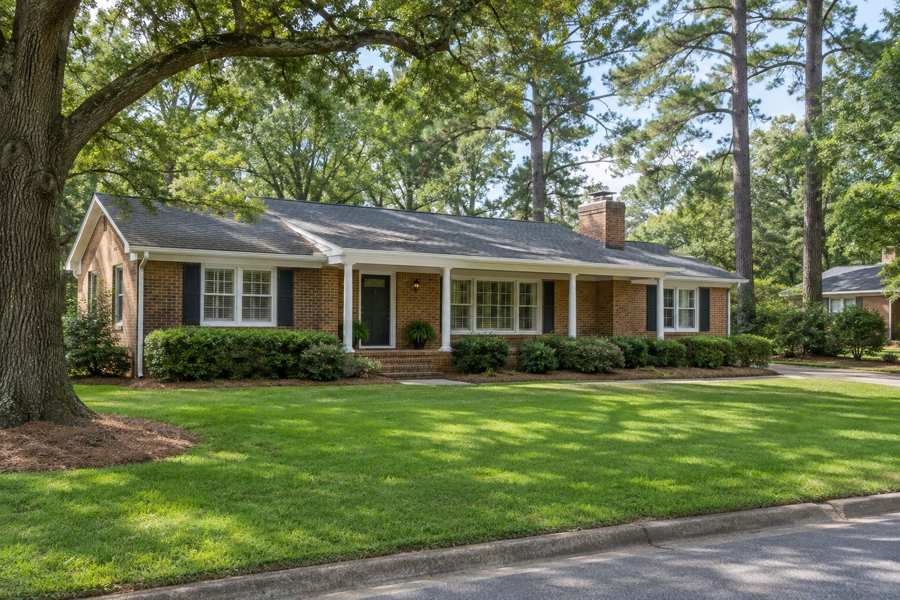
A North Raleigh seller with a septic system needs more than a pump-out receipt to answer wastewater questions. Assemble the permit, system layout, repair history, maintenance evidence and any actual inspection findings as separate records. Confirm the property and wastewater arrangement first; a Raleigh mailing address or a postal area does not establish a home's system type or the jurisdiction responsible for a project.
Wake County's Septic System Inspections page gives a five-year County inspection interval for Type IIIB systems and a three-year interval for Type IV systems. Those type-specific inspections are not point-of-sale assessments. This guide follows the County's published homeowner questions and records processes without searching a private property, booking a professional, applying for a permit or declaring a system compliant.
Confirm the Property and the Wastewater Arrangement
Start with the actual parcel and evidence of whether the home uses an onsite wastewater system. Match the address, owner history and permit identifiers before interpreting a search result. North Raleigh is an area label, not a wastewater classification. A postal address does not prove City jurisdiction, public sewer service or the absence of a former septic system.
Wake County's Apply for a Permit page distinguishes County jurisdiction from municipal planning jurisdictions and points owners to iMaps for jurisdiction information. Its FAQs explain separate application routes for County and other jurisdictions. Read those descriptions together instead of assuming a Raleigh address means the County has no role in wastewater review.
The Wake County Septic Permit Viewer warns, "These data cannot be construed to be a legal document." The map can help locate a lead, but the underlying records matter. A dot, parcel outline or matching street name is not a verified permit attachment and cannot establish a property's present wastewater condition.
Identity sheet: Actual property, parcel identifier, available system record, permit number and the question being answered. Keep public sewer connection evidence separate if that is the actual arrangement. Do not infer a septic system from a large lawn or infer sewer service from the presence of nearby utility infrastructure.
For example, an owner may have an old folder bearing a previous street address. Compare the property identifiers before calling it the home's permit. Preserve the original document and the reason for the match; a similar owner name or a neighboring lot's layout is not enough to make that association.
Recover the Permit Attachments Rather Than Only the Search Result
Find the actual wastewater permit and its available attachments, not only a portal summary. Wake County's FAQs describe online permit access and a research-request route for unscanned records. Older structures may have difficult-to-locate or limited information. Mark missing material accurately; a search with no downloadable scan does not prove that no system or permit ever existed.
Wake County's Septic System Permitting FAQs say, "Wastewater permits can be viewed online." They identify the Permit Portal and iMaps as access routes. They also say a copy of an unscanned permit may be requested from Onsite Water Protection with property and owner information. This article has not submitted that request or entered an owner's details.
Keep the downloaded permit, layout and associated attachments together. Preserve the document date, permit type and property identifiers. A screen showing a record number may be a useful index entry, but it is not equivalent to reading the system drawing or understanding the conditions contained in an attached document.
Missing-record note: Where the search was made, what it returned, which attachments were available and what remains unverified. If the structure is old, preserve the County's warning that information can be limited. Do not convert an unsuccessful online search into a declaration that the property is unpermitted or into an automatic instruction to buy a replacement system.
If the seller has a paper permit but the online entry is sparse, retain both rather than overwriting the paper history with the website summary. The responsible office or qualified reviewer can clarify the record. A newer portal timestamp does not necessarily mean the physical system was installed or changed on that date.
Keep Permitted Scope Separate From Present Condition
A permit explains an authorized system and its documented scope; it does not guarantee present performance. Keep the actual system layout and any capacity or conditions stated in the record alongside later changes and findings. Do not translate room labels, listing language or an owner's recollection into an approved wastewater use. The file and current assessment answer different questions.
Wake County's Apply for a Permit page describes residential wastewater applications for new systems, reconnection, modifications and updates to an existing permit. The County's FAQs also describe review of additions and accessory structures. Those public descriptions explain why later projects may create a separate record trail; they do not show which approvals a private home received.
Scope record: Actual permit description, layout, conditions and subsequent documented changes. If a room was later advertised as a bedroom, do not assume that wording updates the wastewater record. Likewise, a completed building project is not proof that every relevant septic question was reviewed as part of it.
Compare the dates of the permit, any additions and service history. Preserve unresolved differences rather than rewriting the permit summary to fit today's floor plan. This guide has not calculated a private home's wastewater loading, approved bedroom count, remaining useful life or suitability for a proposed future use.
For example, a permit drawing and a later pool plan may show different versions of the lot. Retain the chronological sequence and any review associated with the change. A qualified reviewer can explain the implications; the packet should make that question visible without declaring that either document cancels the other.
Separate Maintenance From Repairs and Their Permit Trail
Keep routine service records apart from alterations or replacement of wastewater components. Wake County's maintenance page distinguishes maintenance from repairs and describes County permits for repair work. Preserve the actual work description, permit and completion evidence where applicable. An invoice labeled septic service does not reveal whether the work was pumping, minor maintenance or a permitted system repair.
Wake County's Septic Maintenance and Repairs page says maintenance generally involves simpler tasks, giving distribution-box or supply-line examples for minor issues. It separately defines repair as extension, alteration, replacement or relocation of existing components. Do not turn those examples into a private determination that a contractor's entire scope was exempt from permitting.
The same County page explains that when a repair system is installed, the existing system must be reserved for future repair area and is considered on rest. A seller should preserve the actual layout and repair record instead of assuming that an older drainfield area is now free for building or paving.
Repair folder: Reported problem, work description, actual permit where applicable, layout change, findings and evidence of completion. Keep pumping receipts in a service history folder with their dates and scope. Neither folder should erase the other, and a paid invoice should not silently become an approval or current-condition certificate.
If a receipt simply says replace line, retain that exact language until the scope is understood. Ask the appropriate professional or office to clarify the record through an authorized process rather than guessing which County category it belongs to. This guide does not request a repair permit or approve physical work.
Preserve the System Layout and the Reserved Repair Area
Keep the drainfield and reserved repair area visible when organizing surveys, additions and exterior project records. Wake County's FAQs explain that repair area is reserved for additional nitrification fields and must not be covered by structures or impervious materials. A visually open portion of the yard is not automatically available for a pool, patio, garage or future addition.
Wake County's Septic System Permitting FAQs describe the Accessory Structure Permitting process as protecting the existing system, repair area and well where present from proposed projects. Its examples include additions, decks, pools, sheds, garages, patios and trenching. Preserve the actual approved site plan and project review rather than treating a building permit alone as a universal wastewater clearance.
The same FAQs say site plans often appear in prior closing documents or may be obtained from the surveyor who last surveyed the property. An online map may assist preparation, but the County's map disclaimer still applies. Do not market a map screenshot as a precise survey or independent certification of the installed system location.
Layout folder: Permit drawing, relevant survey, applicable site plan, review associated with later work and any unresolved difference. Avoid generalized promises about the amount of buildable yard. Published setback lists contain different conditions and feature types; this article does not calculate a property's setbacks or select a single distance for every project.
For example, a seller may think the unused side yard is a straightforward pool location. If the records identify a repair area there, preserve that fact before discussing a buyer's plans. The guide neither designs the pool nor determines whether a particular proposed alteration can be approved.
Distinguish County Monitoring From a Point of Sale Inspection
County recurring inspections and a real estate transaction inspection are different services. Wake County publishes system-type monitoring intervals but says it does not provide point-of-sale septic inspections. Preserve the actual County report and any separate certified inspector report with their dates and scopes. A recent monitoring notice or appointment does not establish that a buyer's requested assessment has been completed.
Wake County's Septic System Inspections page states, "Wake County does not provide point-of-sale septic system inspections on real estate transactions." Its FAQs direct sale inspections to certified septic inspectors. Do not promise a County sale inspection, or treat an ordinary County monitoring report as a substitute without understanding the transaction's actual request.
The County's inspection page lists Type IIIB monitoring every five years, Type IV every three years, Type V yearly and Type VI twice a year. These are published type-specific County intervals, not a recommendation that every system can wait five years for service. Confirm the actual system classification from its records rather than choosing the least frequent interval.
Inspection index: Report author, system type, inspection date, scope, findings and follow-up evidence. Keep a scheduled visit separate from a completed report. County guidance says notification letters precede its inspections and reports follow them; a notice in the mail is not evidence that the visit occurred or that findings were resolved.
Any private inspection's contract and report should be read for the actual scope, limits and access conditions. No inspector has been hired here and no cost, date or inspection result is promised. The seller's packet helps identify the right questions without replacing the professional's assessment.
Retain Operator Contracts and Recorded Maintenance Documents
Some system types have operator and maintenance requirements beyond ordinary service receipts. Keep the actual construction authorization, applicable recorded schedule, current contract and submitted reports together. Wake County distinguishes certified-operator work from County inspections. A signed contract alone does not prove that every required visit, report, sample or renewal occurred, and those requirements should not be applied to every system without checking its type.
Wake County's Advanced Systems Operation and Maintenance Requirements page describes obtaining and submitting a current certified subsurface operator contract when required by a notification. After submission, the operator conducts required operation and maintenance inspection and provides the report. Some types may require sampling, operation-permit renewal or inspection fees; the article does not invent an amount or assume every home owes those charges.
Wake County's Recording Your Maintenance Schedule at the Register of Deeds page says the schedule comes from the Construction Authorization permit and describes notarization, recording and providing the recorded book and page information back to County personnel. Preserve the actual recorded document rather than substituting a blank sample or an unsigned maintenance form.
Maintenance index: Applicable schedule, recorded reference, current contract, actual inspection reports and unresolved notices. The County's FAQs point owners to construction authorization records for the maintenance schedule. Keep the system-specific conditions attached so a buyer can distinguish an ongoing obligation from a one-time pumping event.
A former owner's contract may explain history without demonstrating the current arrangement. Label its dates and parties accurately, and avoid claiming that it transfers automatically or settles every outstanding requirement. This guide has not filed a document, contacted an operator, recorded a schedule or made a payment.
Build the Handoff Before Comparing Written Terms
Assemble a dated index linking property identity, permits, layouts, repair history, maintenance documents and inspection findings. Preserve missing records and unresolved conditions rather than calling the system cleared. A direct purchase can be compared with a listing, but the purchase route does not certify wastewater condition. Actual written terms should address who reviews the available evidence and how unresolved issues are handled.
Start with what is known from original records, then separate recollections and questions. A permit supports documented scope, a pumping receipt supports described service and an inspection report supports findings within its stated limits. None should be expanded into a permanent performance warranty or a statement that a buyer's future plans are already approved.
Wake County's Apply for a Permit page also describes a separate wastewater abandonment process. If a property's history includes moving from septic to another arrangement, preserve the actual connection and abandonment evidence where applicable. A public sewer bill alone should not be used to invent a completed tank-abandonment record.
Handoff order: Property and system identity, permit attachments, layouts and project history, repairs, service, operator documents, actual findings and open questions. Keep personal portal passwords and unrelated household information out of marketing. Relevant records can be reviewed within the transaction's authorized scope without publishing the entire private household file.
No property record search, County research request, inspection booking, service contract, repair application, excavation or payment occurred. This guide prepares a record handoff, not a private compliance opinion. The comparison below distinguishes evidence roles so terms can be evaluated without turning one reassuring document into an all-purpose guarantee.
| Record | What it supports | What it does not prove alone |
|---|---|---|
| Permit attachment | Documented system scope | Current performance |
| System layout | Recorded arrangement | Exact current survey |
| Pumping receipt | Described service event | Sale inspection completed |
| Repair permit | Authorized repair scope | Every finding resolved |
| County monitoring report | Findings within monitoring scope | Buyer inspection satisfied |
| Operator contract | Documented service arrangement | All reports submitted |
| Abandonment record | Documented retirement scope | New service condition warranty |
Frequently Asked Questions
These questions follow Wake County's published septic FAQs, maintenance distinctions and inspection guidance. They apply to a North Raleigh home only after the actual wastewater arrangement and relevant records are confirmed. A permit, service receipt and inspection report answer different questions; missing online material does not establish a missing system, and public guidance cannot certify a private property's condition.
Does a Raleigh mailing address prove public sewer service?
No, confirm the actual wastewater arrangement. The area label alone cannot establish system type or jurisdiction.
Does a portal entry equal the full permit?
No, recover the available permit attachments. Keep the summary as an index rather than a substitute for the documents.
Does a missing scan prove there was no permit?
No, the County notes that older records can be limited or unscanned. Preserve the gap and use the appropriate records route.
Does pumping count as a sale inspection?
No, it documents the stated service. Preserve a separate inspection report and its scope.
Does Wake County perform point of sale inspections?
No, the County says it does not provide that service. Its FAQs direct sale inspections to certified septic inspectors.
Can the former drainfield be treated as free building space?
Do not assume that, preserve the repair layout. The County describes reserving an existing system for future repair area when a repair system is installed.
Does every system use the same monitoring interval?
No, County intervals depend on system type. Confirm the classification rather than using the least frequent schedule.
Does an operator contract prove reports were completed?
No, keep the actual reports separately. Contract evidence and inspection findings have different roles.
Does a direct purchase certify septic condition?
No, compare actual terms with the records visible. The purchase route does not replace wastewater review or professional assessment.
How Maison Off-Market Fits a Septic Record Handoff
Maison Off-Market offers a direct-purchase route to compare once wastewater records are organized. Its public process includes assessing the home and land and making an offer if the property fits. That assessment does not replace a septic inspection, County record clarification, required maintenance or evidence that a repair or abandonment was completed.
Maison Off-Market's public site describes luxury-home and estate purchases without showings, commissions, closing costs or seller repair work. Those are public service claims, not a private North Raleigh offer or a certified wastewater finding. Keep the actual proposal separate from general website language and ask how the written terms handle review of available records and unresolved findings.
Compare written terms: Keep system scope, repair history, maintenance obligations and actual inspection findings visible while considering a direct proposal alongside other sale routes. No seller repair work does not mean a physical problem disappears or that a future use is approved. This guide promises neither a purchase nor waived wastewater requirements.
Compare your options before committing. Request a written private offer for your property, with no obligation, then weigh it against your listing plan.
Sources
- Wake County Government, Checked October 2026. Septic System Permitting FAQs. https://www.wake.gov/departments-government/onsite-water-protection/septic-systems/septic-system-permitting-inspections/septic-system-permitting-faqs.
- Wake County Government, Checked October 2026. Septic Maintenance and Repairs. https://www.wake.gov/departments-government/onsite-water-protection/septic-systems/septic-maintenance-and-repairs.
- Wake County Government, Checked October 2026. Septic System Inspections. https://www.wake.gov/departments-government/onsite-water-protection/septic-systems/septic-system-inspections.
- Wake County Government, Checked October 2026. Apply for a Permit. https://www.wake.gov/departments-government/onsite-water-protection/septic-system-permitting/apply-permit.
- Wake County Government, Checked October 2026. Septic Permit Viewer and Disclaimer. https://maps.wake.gov/septic/.
- Wake County Government, Checked October 2026. Advanced Systems Operation and Maintenance Requirements. https://www.wake.gov/departments-government/onsite-water-protection/septic-system-permitting/technical-assistance/advanced-systems-operation-and-maintenance-requirements.
- Wake County Government, Checked October 2026. Recording Your Maintenance Schedule at the Register of Deeds. https://www.wake.gov/departments-government/water-quality-programs/septic-system-permitting/technical-assistance/recording-your-maintenance-schedule-register-deeds.
- Maison Off-Market, Checked October 2026. Direct Purchase Process. https://bulkscaler.com/.
Related research
Seller Guide · 2026-10-09
How to Assemble South Naples Flood Map and Repair Sale Records
Match effective maps, elevation evidence and approved repair records before presenting a sale file.
Seller Guide · 2026-10-09
How to Prepare Newton Tree Permit and Protection Sale Records
Separate removal permits, exemptions, arborist assessments and replacement obligations before selling.

Seller Guide · 2026-10-09
How to Organize Sevierville Well and Spring Water Sale Records
Separate the water source, construction report, test results and service history before selling.