Seller Guide · by Aidan Sowa · October 6, 2026
How to Prepare Hinsdale Renovation and Historic Property Records
Match completed work, preservation status and incentive agreements before choosing a sale route.
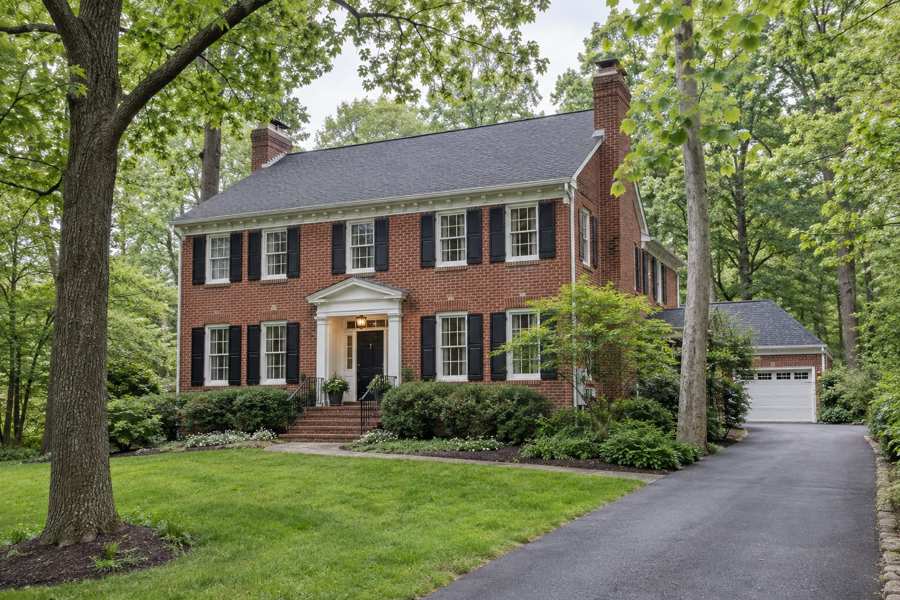
A Hinsdale renovation invoice can establish that work was paid for without establishing that the current rooms match approved plans, final inspections occurred or a preservation agreement is still being followed. The village's preservation materials also describe a local property-tax rebate over a maximum five years, distinct from Illinois's assessment-freeze program. Neither historic age nor a polished interior proves a property's status, completed approvals or transferable benefits.
Prepare a file that separates permit scope, actual work, preservation designation, condition and financial agreements. This guide applies local reporting, seller advice and official program guidance without deciding whether this house is landmarked, approving a remodel or promising a tax saving. Confirm the actual parcel and current requirements with the village, professionals and attorney before making a buyer-facing claim about what has been approved or may be changed.
Establish the Actual Preservation Status Before Applying a Rule
Collect the property's designation documents, district information, recorded restrictions and any preservation agreements before calling it landmarked or assuming it is unrestricted. Historic age, architectural style and National Register recognition are different from local landmark status. Hinsdale's specific review packet distinguishes designated landmarks and particular Robbins Park cases. Ask the village to confirm the actual classification and proposed activity rather than applying one broad rule to every older house.
Four labels, different consequences: An older house, a locally designated landmark, a district property and a property included on the village's historically significant structures list should not be treated as the same category. Obtain the actual record and identify which program it concerns. A listing description that uses historic casually does not establish legal designation or incentive eligibility.
The National Park Service FAQ explains that National Register listing alone does not generally restrict a nonfederal owner under federal law, while state or local rules and federal involvement can change the review. That is not permission to ignore Hinsdale requirements, deed restrictions or an incentive agreement. Have counsel review the actual combination of designations and commitments.
Christine Wilczek's historic-home preparation article emphasizes retaining character and documenting care. Use that preparation lesson without its broad neighborhood description as proof of this parcel's status. The village's ordinance overview supplies the local preservation context; it does not classify a house from its construction year or photographs.
Match the Permit Scope With What Was Actually Built
Gather original permit applications, approved drawings, plan revisions, inspection records and any required completion documents for additions and renovations. Compare them with the current layout and systems using qualified professionals. Hinsdale's permit page says approved plans must be followed and changes need village approval. An issued permit, contractor invoice or attractive finished room does not establish that later changes were approved or every required inspection was completed.
Make a dated work list: Separate the kitchen remodel, addition, finished basement, mechanical replacement and exterior work. Give each the permit number if available, original scope, revisions and actual inspection record. If a seller file only includes the contractor's invoice, ask the Building Department and contractor about the missing approval evidence rather than filling the gap with a claim that everything is permitted.
The village's permit guidance identifies many project types that may need permits and provides specific exceptions for some residential replacement work. Do not turn the exception list into a blanket cosmetic-work exemption, especially where openings, structure, material or preservation requirements differ. Ask about the actual work performed and what records exist.
NAR's preparation guide recommends locating warranties, manuals and repair information before a sale. Apply that alongside the public file: an appliance warranty can support service history without proving zoning compliance. Keep the documents together but label their different purposes so a buyer does not mistake one form of evidence for another.
| Record | Question it helps answer | Limit |
|---|---|---|
| Designation and agreements | What status and commitments apply? | Age or style is not designation |
| Approved plans and revisions | What work was authorized? | Not proof every change followed plans |
| Inspection and completion file | What was actually reviewed? | Not a lifetime condition guarantee |
| Contractor and service records | Who performed what work? | Not every public approval |
| Incentive certificate and agreement | What benefit and duties were approved? | Not universal transferability |
| Current inspection and estimate | What condition and scope are observed? | Not approval of proposed work |
Distinguish Preservation Review From Building Permission
A Certificate of Appropriateness and a building permit are different reviews. Hinsdale's specific application packet requires certificates for exterior modifications to designated landmarks and certain Robbins Park demolition, relocation and new-residence cases. It also distinguishes binding landmark decisions from advisory district-only decisions. Advisory does not mean the required process disappears. Ask the village which steps apply to this property and scope before promising that a buyer can alter or replace it.
Specific guidance over a broad summary: The preservation homepage uses a broad statement about alteration review. The actual packet and alteration page give narrower classifications and describe the binding-versus-advisory distinction. This guide does not say every building needs every review or that a district-only property can skip an application. Resolve the actual status and work with planning staff.
The two thousand twenty-five application packet describes preliminary review and design-review cases, complete submissions and a certificate before issuance of the building permit in the listed cases. Those are separate milestones. A conceptual conversation or informal recommendation is not approval of final construction drawings or evidence that the building work passed inspection.
Alpha Development Group's contractor page recommends preparing drawings and coordinating reviews, but its age-based blanket claims and generic weeks-to-approval language are not the village's rule or a guaranteed schedule. Use a contractor for a scoped proposal while confirming actual requirements with the authority. This guide does not authorize interior changes, demolition or exterior replacement from a marketing checklist.
Recover Final Inspections and Explain Unresolved Work Honestly
Ask the village and responsible contractor what final inspection or completion steps remain for the actual project. Retain the recorded results, corrections and revised approvals rather than treating a finished appearance as administrative closure. Hinsdale says permits need inspection after completed work. If a record is missing or shows an unresolved item, preserve that uncertainty for the agent and attorney instead of describing the entire renovation as approved.
Issued, inspected and complete are different: A permit can establish authorized scope without showing that the current layout was examined. A contractor can finish physical work while paperwork or correction items remain. Obtain the actual dated record and ask the appropriate authority what it means for this permit, not whether any generic certificate exists.
The Hinsdalean's January two thousand twenty-five account of a Zook-house renovation describes work still in progress after months of construction, including system adaptations and careful reuse of original elements. Use that reporting as an example of a multi-step project, not proof of its current completion or a standard schedule for another house.
The same article reports zoning relief and a fee waiver at one stage, with other financial items at a first reading. Do not collapse that chronology into a statement that all benefits and construction were finally approved. For the seller's own file, keep pending applications separate from final decisions and retain the actual completion evidence.
Document Character and System Condition Without Guaranteeing Either
Prepare dated photographs, service history, specialist findings and scoped estimates for the actual home. Preserve original features where appropriate, but do not let restored trim imply that hidden systems or structural issues were assessed. Christine Wilczek's article recommends restrained preparation and clear documentation. NAR's preparation guide treats inspections as a way to identify issues, not a guarantee that every defect is known or every proposed change is required.
Two scopes: Presentation work helps a buyer see rooms and craftsmanship. A condition assessment examines specified systems and includes limits. Identify who reviewed structure, roof, electrical, plumbing, moisture or other relevant matters and what was not inspected. A staging photograph and a contractor's general older-house list do not establish a defect or remaining life at this property.
The Hinsdalean's renovation reporting describes preserving materials while adapting comfort and layout. That supports keeping before-and-after evidence and actual work history, not a claim that restoring a particular detail raises value by a fixed amount. If historic fabric was replaced, keep the approved scope and material documentation where relevant.
Alpha Development Group lists conditions it encounters in older homes and publishes broad project costs. Those are contractor marketing descriptions, not an inspection of this house or a repair quote. Obtain a written site-specific scope and do not diagnose wiring, drainage or foundation condition from the home's age alone.
Keep Local Preservation Incentives and Agreements Visible
Obtain the actual incentive certificate, approved project, agreement, payment record and continuing obligations before advertising a rebate, grant or zoning benefit. Hinsdale's local program is tied to eligibility, application and approval, not simply owning an old house. Its materials say incentives are not provided for work completed before review and approval. Ask the village about the actual benefit and sale treatment rather than counting a possible award as guaranteed proceeds.
Scope and timing: The village describes alternative bulk rules, fee waivers, grants and a local property-tax rebate with different reviews. Inclusion on the historically significant structures list and an approved certificate matter. A proposed addition or claim of historic character does not establish that a particular setback, fee or grant is available.
The local rebate materials describe a $50,000 minimum investment in eligible exterior work and a maximum five-year rebate period for the village portion of property taxes, subject to approval and completion conditions. It is not a refund of the entire tax bill. Ask for the actual award, completed inspections, payment and reimbursement record rather than multiplying a sample tax figure into promised savings.
The village's incentive packet also discusses agreements, maintenance obligations and potential reimbursement if program requirements are not met. Some local benefits may be transferred, but this guide does not declare this agreement transferable or automatically terminated. Have the village and attorney explain what a sale, later alteration or incomplete project does to the actual commitment.
Separate Illinois Assessment Freeze Rules From Local Rebates
Illinois's assessment-freeze program is separate from Hinsdale's local preservation benefits. State guidance says it freezes assessed value, not tax rates, and has its own historic-property, owner-occupancy, rehabilitation and review requirements. Local approval is not state approval. Recover the actual state application and certification before making a tax claim, and ask about sale consequences; a current owner's freeze does not automatically transfer to the next owner.
Value, not the bill: Illinois describes an eight-year assessment freeze followed by a four-year step-up. The FAQ expressly says tax rates can fluctuate. Do not promise a flat property-tax payment or treat the twelve-year program description as twelve years of the same assessed value.
The state program describes eligible rehabilitation expenses of at least 25% of the assessor's relevant pre-rehabilitation property value within its specified period, with other criteria and review. This is not a quarter of an asking price, a standard renovation budget or automatic approval for an expensive remodel. Ask the state reviewer and assessor to connect the actual project and value evidence.
The state FAQ says a sale, rental or end of principal-residence use cancels the existing owner's freeze for the remaining duration; it distinguishes a different application sequence for a developer completing an approved project before a new owner applies. Do not combine those scenarios into a blanket transferable-tax-benefit claim. Obtain the actual state response for this file and proposed transaction.
Plan Further Work Without Treating Estimated Review Times as Deadlines
If work remains, compare the actual review steps, complete application requirements, professional scope and seller timeline before starting a project. The village packet gives estimated review periods and notes that incomplete applications are not scheduled for consideration. Contractor availability and a buyer's preferred closing date do not guarantee public approval. Get current property-specific guidance rather than using a generic remodel price or a short approval estimate as a commitment.
Application is not approval: The village packet estimates about two months for preliminary certificate review and one to three months for certificate consideration, with a possible additional appeal period. Those are its stated estimates, not a promise or an instruction to add the ranges into a fixed closing deadline. The actual project category and submission completeness matter.
The Hinsdalean's May two thousand twenty-five preservation article describes a contemplated demolition with review and study steps still ahead. It illustrates that market interest, historical recognition and an applicant's intention are different from completed permission. Do not report its expected outcome as a verified present status or use it to claim demolition is allowed for this property.
NAR's preparation guidance supports understanding actual repair costs even where the owner may not do the work. Obtain alternatives for approved repair, further investigation or documented sale condition. A local grant, tax rebate or potential assessment freeze is not money already available to pay a contractor, and a seller should not promise eligibility from another house's example.
Compare Written Sale Routes With the Same Renovation Facts
Compare listing, records recovery, further review, authorized work and a sale in documented condition using the same known status and project history. NAR's pricing guide includes condition and comparable properties, while its contingencies guide explains written investigation and financing terms. An incentive or attractive room does not establish a fixed premium, and a cash proposal does not waive permit, disclosure or agreement duties. Review net proceeds and responsibilities in actual terms.
Price the actual property: Give the agent the verified layout, condition, restrictions and remaining reviews. NAR's pricing guide supplies a comparison process, not a Hinsdale renovation-return formula. A renovation invoice cannot be added dollar for dollar to an asking price, and a preserved feature is not an appraisal of the whole house.
NAR's contingencies guide explains why inspection, title, financing and other conditions belong in the signed agreement. Ask what happens if records, further work or approvals are not accepted. A buyer's verbal preference for an updated house is not agreement to assume an unresolved permit or preservation obligation.
The Hinsdale housing brief separates dated values and market measures. It does not certify renovations, decide designation or value a preservation benefit. Keep that broad context distinct from the actual house file while comparing realistic price, timing and obligations.
| Route | Evidence to compare | Cost basis | Limit |
|---|---|---|---|
| Recover records first | Plans, reviews and project chronology | Actual file-review quote | No assumed approval |
| Assess current condition | Scoped findings and limits | Professional estimate | Not permit certification |
| Complete authorized work | Required decisions and inspections | Written site scope | No generic deadline |
| Review an incentive | Certificate, agreement and conditions | Actual award and duties | No automatic cash or transfer |
| List documented condition | Accurate facts and actual agreement | Net-proceeds comparison | No fixed remodel premium |
| Consider a direct offer | Purchaser, price and conditions | Written proposal | Not a private-duty waiver |
Frequently Asked Questions
Start with actual preservation status, then connect approved plans, revisions, inspections and the current condition evidence. Keep local incentive agreements and Illinois assessment-freeze records separate. A paid invoice, old-house description or district address does not answer every question. These answers prepare a seller file without designating the property, approving a project, certifying code compliance or promising tax treatment and sale outcomes.
Does an old house automatically count as a designated landmark?
No, age and legal designation are different. Obtain the actual village record.
Does a National Register listing replace local review?
No, national and local programs have different effects. Ask about the actual property and proposed work.
Does an issued permit prove every later change was approved?
No, the approved scope and revisions matter. Match the current work with the actual inspection file.
Is an advisory preservation decision the same as no process?
No, the listed application and review steps may still be required. Ask the village about the actual classification.
Does a contractor invoice prove final inspections occurred?
No, payment and public review are different evidence. Recover the required inspection and completion records.
Can I assume past work will receive a local incentive?
No, the village requires review and approval before eligible work. Obtain the actual certificate and agreement.
Does the state freeze my entire tax bill?
No, the program concerns assessed value rather than tax rates. Review the actual assessment and program terms.
Does my assessment freeze automatically transfer on sale?
No, the state distinguishes the current owner's freeze from other application paths. Ask about the actual file and sale.
Does a cash buyer waive permit or agreement duties?
No, financing type does not grant public approval. Have the agent and attorney review the actual obligations.
How Maison Off-Market Reviews a Hinsdale Proposal
Maison Off-Market describes a direct-purchase process that reviews the property before proposing price and timing. For a Hinsdale seller, it is another written option to compare after renovation records, preservation status and incentive agreements are organized. It does not close a permit, approve demolition or grant a tax benefit. Ask how further review and unresolved documents affect the proposal rather than assuming historic-home questions disappear in a private purchase.
The company's stated process describes flexible closing dates, no commissions and no seller closing costs, working with the owner's attorney or title company. Confirm the actual purchaser, deposit, net amount and written conditions. Those statements do not guarantee that an outstanding project is accepted, that every inspection is unnecessary or that a closing date is fixed.
Decision evidence: The actual written proposal and transaction terms. No verified Hinsdale preservation-savings case study, approved renovation outcome or guaranteed appraisal is supplied here. Compare the direct route with listing and required reviews using the same known condition and obligations, rather than suggesting private agreement replaces the village's process or an incentive agreement.
Compare your options before committing. Request a written private offer for your property, with no obligation, then weigh it against your listing plan.
Sources
- Village of Hinsdale, Checked October 6, 2026. Permit Requirements. https://www.villageofhinsdale.org/departments/permits.php.
- Village of Hinsdale, Checked October 6, 2026. Alteration and Demolition Review. https://www.villageofhinsdale.org/departments/historic_preservation/alteration___demolition.php.
- Village of Hinsdale, Checked October 6, 2026. Certificate of Appropriateness Application Packet. https://cms4files.revize.com/hinsdaleil/COA%20Information%20Packet%20and%20Application%20-%202025.pdf.
- Village of Hinsdale, Checked October 6, 2026. Historic Preservation Overview, Broad Summary Qualified. https://www.villageofhinsdale.org/departments/historic_preservation/index.php.
- Village of Hinsdale, Checked October 6, 2026. Historic Preservation Ordinance Overview. https://www.villageofhinsdale.org/residents/village_history/historic_preservation_ordinance.php.
- Village of Hinsdale, Checked October 6, 2026. Historic Preservation Incentives. https://www.villageofhinsdale.org/departments/historic_preservation/historic_preservation_incentives.php.
- Village of Hinsdale, Checked October 6, 2026. Preservation Incentive Information Packet. https://cms4files.revize.com/hinsdaleil/Preservation%20Incentive%20Application%20Information%20Packet.pdf.
- Illinois State Historic Preservation Office, Checked October 6, 2026. Property Tax Assessment Freeze Program FAQs. https://dnrhistoric.illinois.gov/preserve/freezefaq.html.
- Illinois State Historic Preservation Office, Checked October 6, 2026. Property Tax Assessment Freeze. https://dnrhistoric.illinois.gov/preserve/taxfreeze.html.
- National Park Service, Checked October 6, 2026. National Register FAQs. https://www.nps.gov/subjects/nationalregister/faqs.htm.
- Christine Wilczek, Checked October 6, 2026. Preparing a Historic Hinsdale Home for Buyers. https://christinewilczek.com/blog/preparing-a-historic-hinsdale-home-for-todays-buyer.
- The Hinsdalean, Ken Knutson, Checked October 6, 2026. Heritage Hinsdale Home Is No Quick Fix, Historical Project Reporting. https://www.thehinsdalean.com/story/2025/01/23/news/heritage-hinsdale-home-is-no-quick-fix/8897.html.
- The Hinsdalean, Ken Knutson, Checked October 6, 2026. Losses Part of the Preservation Equation, Historical Proposal Reporting. https://www.thehinsdalean.com/story/2025/05/08/news/losses-part-of-the-preservation-equation/9351.html.
- Alpha Development Group, Checked October 6, 2026. Historic Home Remodeling in Hinsdale, Broad Claims Qualified. https://www.alphadevg.com/locations/hinsdale/.
- NAR, Checked October 6, 2026. Preparing to Sell Your Home. https://www.nar.realtor/the-facts/consumer-guide-preparing-to-sell-your-home.
- NAR, Checked October 6, 2026. Real Estate Contract Contingencies. https://www.nar.realtor/the-facts/consumer-guide-real-estate-contract-contingencies.
- National Association of REALTORS, Checked October 6, 2026. Consumer Guide: What Goes Into Pricing Your Home. https://www.nar.realtor/the-facts/consumer-guide-what-goes-into-pricing-your-home.
Related research

Seller Guide · October 6, 2026
How to Prepare Point Pleasant Beach Rental Records Before Selling
Separate rental approval, income history and booked stays before comparing sale terms.
Seller Guide · October 6, 2026
How to Prepare Rumson Flood and Waterfront Records Before Selling
Separate flood disclosure, elevation, repairs and waterfront rights before comparing sale terms.

Seller Guide · October 6, 2026
How to Prepare Sarasota Condo Inspection and Reserve Records Before Selling
Separate building condition, reserve funding and resale documents before comparing sale terms.