Seller Guide · by Aidan Sowa · 2026-10-07
How to Prepare Demarest Resale Inspection and Permit Records
Separate resale certification, fire review and construction closeout before promising a ready handoff.
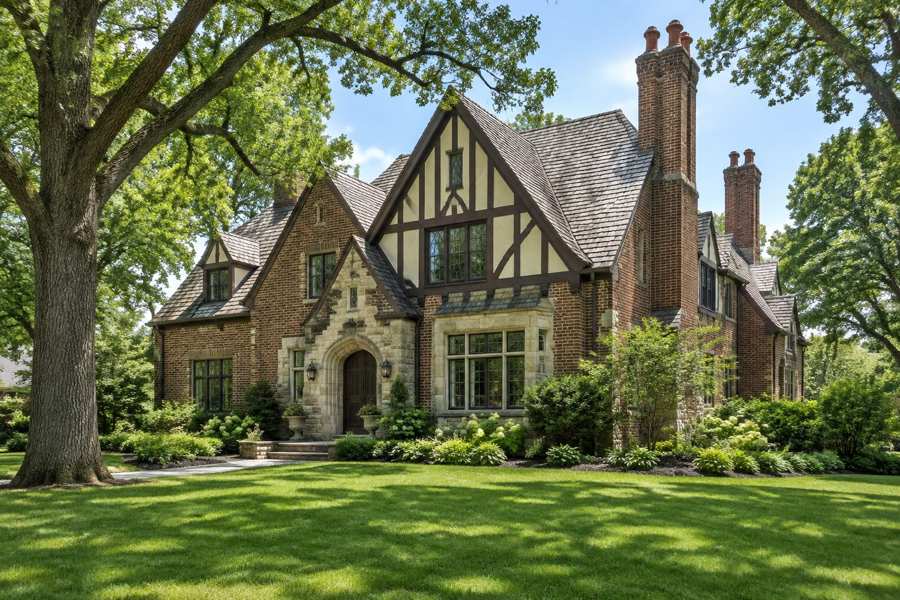
A Demarest resale file should distinguish permission for an occupancy change from the construction and zoning history of the home. An application, inspection appointment and issued certificate are different stages. Keep each record with its property identifier, date and actual result rather than promising that a contractor invoice or favorable private inspection establishes every borough approval.
Demarest's Building Department says its Rental/Resale Certificate process takes approximately four to six weeks and includes an application, required fees and inspection before a change in occupancy. That is the borough's published planning estimate, not a guaranteed closing date. This guide separates building and fire review, corrective findings, construction closeout, zoning evidence and rental-specific records before a seller compares sale routes.
Identify the Property and the Actual Occupancy Change
Begin with the address, block and lot, current use and planned occupancy change. Keep the borough resale record separate from construction approvals and private condition reports. The correct property and transaction determine what the office needs. A seller should not use a mailing name, old listing or another household's certificate as proof that the actual home is ready for transfer.
The Demarest Building Department says a Rental/Resale Certificate is required to rent or sell a home and that inspection must occur before a change in occupancy. Its application records the seller, property, agent and closing date, along with features such as kitchens, bedrooms and a pool. Those are transaction and property identifiers, not a completed borough determination.
The Rental/Resale Certificate Application is titled for "SINGLE AND MULTI-FAMILY HOMES" and distinguishes resale from rental on the form. Preserve the actual classification and ask the borough about unusual uses or household arrangements. A general home sale article should not decide whether a particular layout is an approved number of dwellings or whether the buyer's intended use is permitted.
Identity file: Address, block and lot, owner, current use, transaction type, closing target and known work history. No private property or layout was checked here. Ask the borough to confirm the correct certification route before promising a result. Keep buyer details and the actual application in the transaction file rather than publishing personal information in a public guide.
Plan Around the Borough Process Without Promising a Date
Keep the application, fee information, inspection arrangements and actual certificate as separate steps. Use the published process estimate to start early, not as a guaranteed approval deadline. A seller should not treat payment or a requested appointment as a passed inspection. Preserve confirmation and unresolved corrections before describing the home as ready for the planned occupancy change.
Demarest's Building Department and Rental/Resale Certificate Application both say the process takes "approximately 4 to 6 weeks". The department asks applicants to allow ample time. The form separately lists building and fire inspection dates and office-only certificate information. That structure supports tracking both review records rather than assuming a single appointment settles every required step.
The application displays a combined building and fire fee and a reinspection charge, while the municipal construction-code chapter lists fees for different certificate and inspection categories. Those documents are not an individualized current bill. Confirm the correct current amount, payment route and reinspection requirements with the borough instead of applying a generic total from a prior transaction.
Process file: Submitted application, accepted receipt, current quoted fee, scheduled building and fire visits, correction list and issued result. No application was submitted or fee calculated here. Tell the transaction professional about unresolved timing early. If closing moves, ask the borough what information must change and whether further review is necessary rather than promising that an earlier application automatically covers a different occupancy change.
Preserve Building and Fire Findings With Their Actual Outcomes
Keep the building and fire records complete, including failed items and accepted corrections. A checklist is useful preparation, but it is not the inspection itself. Preserve the actual office result and certificate. A seller should not present a private inspector's report, completed repair receipt or favorable conversation as evidence that the borough has issued its approval.
The borough Homeowner Checklist within the resale application explains that its listed issues are "the most frequent items that fail" and that other items may exist at the property. It covers handrails, bedroom-window operation, house identification, property maintenance, sidewalks, stove tip brackets and other conditions. That is a scoped list, not a full property safety determination.
The same packet explains that existing sump pumps cannot be directly connected to the borough sewer system. It also includes secondary-power labeling for homes with generators, solar panels, battery storage or other supplemental sources. Preserve the actual inspector's findings rather than trying to certify those conditions from photographs, a seller recollection or a general article.
Outcome file: Building and fire inspection dates, signed or recorded findings, correction scope, reinspection result and issued certificate. Ask the borough to confirm when an item is accepted. Keep work receipts as supporting evidence, not as replacements for the public result. No stairs, alarms, window, pump, generator, sidewalk or other private condition was inspected here, and no compliance finding is made.
Keep Alarm Evidence Within the Enforcing Agency Review
Organize the alarm system and any required fire-safety evidence without replacing the enforcing agency's decision. Existing hardwired and low-voltage systems have their own history and should not be downgraded to simplify preparation. Preserve equipment information and actual findings. A seller should not use a generic state form or another municipality's handout to bypass Demarest's published building and fire process.
Demarest's resale packet says existing one- and two-family dwellings with battery-operated smoke detectors must use ten-year sealed battery detectors and warns that battery units cannot replace hardwired detectors. Its language says "Under no circumstance" should the system be downgraded. Keep the actual system and inspector's requirements visible rather than prescribing a universal replacement plan from this article.
New Jersey Administrative Code section 5:70-2.3, as published by Cornell's Legal Information Institute, distinguishes municipal inspection or approval requirements from separate state fire certification. Where a municipality has its own process, the agency cannot issue approval until the required fire compliance is determined. Section 5:70-4.19 separately addresses smoke alarms, carbon monoxide alarms and portable extinguishers. These are regulatory references, not a private equipment evaluation.
Fire file: Existing system type, manufacturer information where relevant, actual borough findings and accepted correction. Confirm the applicable equipment, locations and any extinguisher requirement with the enforcing agency. No alarm placement or testing was performed here. Do not assume the availability of a state certification form means Demarest accepts self-certification instead of its own required review; preserve the borough's actual direction and outcome.
Separate Construction Closeout From the Resale Certificate
Keep construction permits, required inspection results and project certificates beside the resale file without merging them into one approval. Prior alterations can have unfinished records even when a sale inspection is scheduled. A seller should not call a paid invoice, submitted certificate application or contractor statement a final construction result. Preserve the actual public document and its scope.
The New Jersey Department of Community Affairs Construction Permit Application Packet and Related Forms page distinguishes building, electrical, plumbing, fire and mechanical technical sections and lists a separate Application for Certificate. It says the project's nature determines which subcode sections apply. That explains why a single general permit number may not tell the buyer which parts of the actual work were inspected and accepted.
The DCA Application for Certificate form records both "Certificate Application Received" and "Certificate Issued". It also asks applicants to describe substantive deviations from released plans and notes that amended drawings may be required. A signed application therefore is not the issued result, and changes to a project should not be hidden behind an original plan set.
Closeout file: Issued permit, accepted scope, relevant technical sections, approved revisions, required inspection outcomes and issued project certificate. Demarest's municipal construction-code chapter separately identifies certificates of approval, occupancy and continued occupancy. Ask the construction office which actual records apply and what remains open. No private permit was searched or closed here. Keep a resale result labeled by its own role rather than presenting it as blanket retroactive approval for every improvement.
Preserve Zoning Decisions and the Current Submission Route
Keep the accepted zoning decision and supporting plan separate from construction permission and resale certification. Additions, accessory work and a changed use can create different review tracks. Preserve the actual approved layout and later changes. A seller should not use an old application, current map label or construction receipt as proof that every existing improvement has the required zoning decision.
The Demarest Zoning Application revised in January two thousand twenty-five asks for an accurate survey or plot plan, dimensions and distances from property lines. It says that if zoning is approved, the applicant "must apply for a building permit". That explicitly separates zoning review from the construction route rather than treating either as a complete substitute for the other.
The older application tells applicants to leave a packet at the office, while the current Building Department page says zoning applications must be submitted digitally and identifies the new zoning code. Preserve that difference. For new work, confirm the current submission route and requirements with the borough instead of repeating older delivery instructions or treating an introduction notice as proof of a finally adopted rule.
Zoning file: Issued decision, approved survey, conditions, project description, construction connection and later amendments. No zoning district or setback finding is made here. Ask the zoning office about missing decisions and changed layouts. Keep a submitted or denied application accurately labeled; neither is an issued approval. A seller's description of an accessory structure should not promise legal use or expansion capacity without the actual public record.
Connect Generator and Secondary Power Records to Their Scope
Keep equipment approval and secondary-power identification as related but different evidence. A warning label does not establish that installation permits and inspections were completed. Preserve the accepted location, relevant technical sections and actual public outcome. A seller should not describe the presence of a generator, solar array or battery as proof that the borough has approved every part of the system.
Demarest's Generator Instructions describe zoning information, load calculations, a wiring diagram, manufacturer specifications and the technical sheets applicable to different installations. The document also calls for signs reading "SECOND POWER SOURCE AVAILABLE/GENERATOR". These are application and identification requirements, not a private installation certification.
The resale checklist separately addresses a label near the electrical panel and meter for supplemental sources and describes a warning such as "CAUTION: MULTIPLE SOURCES OF POWER." Keep the installation record and sale-review finding distinct. Ask the borough about the actual equipment and applicable labeling instead of treating the two published documents as an interchangeable instruction for every source of power.
Power file: Equipment type, approved location, permit scope, drawings, relevant inspections, accepted final and identification findings. No electrical work or generator review was performed here. Preserve later changes and ask the qualified professional and construction office about unresolved items. A manufacturer manual and maintenance invoice can support the equipment history, but they do not establish that a local approval was issued.
Keep Rental Lead Records Within Their Actual Scope
Preserve rental-specific records when the home has been rented or will be transferred with rental use. Do not apply every rental requirement to an owner-occupied sale merely because the borough uses a combined form. Keep the building age, use history and relevant certificates visible. A seller should not promise exemption or lead safety without the actual evidence and responsible-office confirmation.
Demarest's resale packet marks the year-built field as "Rentals Only" and separately discusses lead-safe certification for rental applicants. The Building Department page identifies the borough's published rental inspection guidance and warns that inspection-method data can change. Keep rental use and the current official record clear rather than making a universal lead-clearance promise for every resale.
The DCA Lead-Based Paint Inspections in Rental Dwelling Units page describes inspections for certain rental dwellings and identifies exemptions, including construction during or after nineteen seventy-eight. It also says property owners must provide relevant certifications and guidance to prospective owners during the real estate transaction. This is scoped rental guidance, not evidence that an actual older home is lead-free or that its particular tenancy is exempt.
Rental file: Year built, actual use and tenancy history, landlord registration, lead-safe or exemption evidence where relevant, inspection date and delivery record. Ask the borough and qualified lead professional which requirements apply. No paint, occupancy history or exemption was evaluated here. A rental certificate and resale inspection should not be described as a broad environmental warranty; keep each document's purpose and limits with the handoff.
Finish With a Dated Borough Record Matrix
Finish the handoff by identifying each record's purpose, source, date and unresolved action. Resale certification, fire compliance, construction approval, zoning and rental evidence should remain distinct. A buyer should see the actual issued result rather than a seller summary alone. Keep missing documents and correction status visible before comparing a listing plan or a direct-purchase proposal.
The Demarest Borough Clerk page provides an Open Public Records Act request route and describes possible fees. It is a route to request existing municipal records, not evidence that the actual property has no open work. The DCA Municipal Procedures Manual describes inspection-result records and separate certificate preparation and issuance. That older workflow manual supports a record distinction, not a guaranteed current processing deadline.
Handoff matrix: Record title, issuing office, property identifier, date, work or transaction scope, actual result, conditions and missing follow-up. Preserve the full certificate, not merely a receipt. Keep accepted corrective evidence beside failed findings. If an online search does not find a record, describe the search limitation until the responsible office responds rather than claiming the document never existed.
No public-record request, inspection, permit application or private transaction was performed here. Give the buyer the actual records with their stated limits where appropriate and have the transaction team confirm remaining work. Clear organization helps distinguish accepted outcomes from pending steps, but it does not issue a certificate, approve construction or eliminate a correction required by the borough.
| Record | Role | Cross-check | Does not prove |
|---|---|---|---|
| Resale certificate | Occupancy-change outcome | Actual property and date | All construction closed |
| Fire result | Required safety review | Borough findings and correction | Unlimited safety warranty |
| Project certificate | Construction outcome | Actual permit and scope | Every later alteration |
| Zoning decision | Land-use review | Approved layout and conditions | Construction final |
| Rental lead record | Scoped rental evidence | Use, date and certificate | Every home is lead-free |
Frequently Asked Questions
These questions follow Demarest resale, construction, zoning and generator guidance and relevant New Jersey fire and rental records. They separate applications from issued outcomes and sale review from project approval. Confirm the actual property, occupancy change and borough requirements before making a handoff promise. No private home, permit, certificate, rental history or inspection result was evaluated.
Does a submitted resale application mean the certificate is issued?
No, those are different stages. Preserve the borough's actual issued result.
Is the four-to-six-week estimate a guaranteed closing date?
No, the borough calls it approximate. Allow time for inspections and any corrections.
Does the homeowner checklist cover every possible failed item?
No, it expressly says other issues may exist. Keep the actual inspector's findings.
Can battery alarms replace an existing hardwired system for convenience?
The borough packet warns against downgrading existing hardwired protection. Ask the enforcing agency about the actual system.
Does resale certification close every construction permit?
Do not assume that it does. Preserve project-specific inspection and certificate records separately.
Does zoning approval replace the building permit?
No, the borough application expressly directs an approved applicant to the building-permit route. Keep both decisions distinct.
Does a generator warning label prove installation approval?
No, identification and permit outcomes have different roles. Preserve actual installation and inspection records.
Do rental lead rules automatically apply to every owner-occupied sale?
No, the cited program has a rental scope and defined exemptions. Confirm the actual use and requirements with the borough.
Does a direct purchase issue a missing borough certificate?
No, a purchase proposal does not issue public approvals. Compare written terms while keeping outstanding work visible.
How Maison Off-Market Fits a Borough Record Sale Handoff
Maison Off-Market offers a direct purchase route to compare after resale records and project outcomes are organized. Its process assesses the home and land and may lead to an offer if the property fits. That assessment does not issue a borough certificate or construction approval. Keep written purchase terms separate from inspection findings and unresolved public records.
Maison Off-Market's live hosted process says "We assess the home and the land" and "If it fits" before describing an offer. Those are purchase-process statements, not a Demarest resale inspection, fire compliance finding or project certificate. Preserve the actual borough record and its limits when comparing a proposal.
Compare written terms: The hosted site describes no showings, commissions, closing costs or seller repair work, while stating buyer inspections and disclosures remain subject to applicable law and written terms. A direct purchase does not make unfinished construction accepted or release a required correction. Keep conditions and missing outcomes visible.
Compare your options before committing. Request a written private offer for your property, with no obligation, then weigh it against your listing plan.
Sources
- Borough of Demarest, Checked October 2026. Building Department. https://demarestnj.gov/departments/construction.
- Borough of Demarest, Checked October 2026. Rental/Resale Certificate Application and Homeowner Checklist. https://demarestnj.gov/government/documents/forms-documents/department-documents/construction/1942-rental-resale-certificate-application/file.
- Borough of Demarest, Checked October 2026. Construction Forms. https://demarestnj.gov/government/forms/construction.
- Borough of Demarest, Checked October 2026. Zoning Application revised January 2025. https://direct.demarestnj.gov/government/forms/construction/1322-zoning-application-1/file.
- Borough of Demarest, Checked October 2026. Generator Instructions. https://demarestnj.gov/media/attachments/2024/10/24/generator-instructions.pdf.
- Borough of Demarest, Checked October 2026. Borough Clerk. https://demarestnj.gov/departments/clerk.
- Borough of Demarest, Checked October 2026. Municipal Code Chapter 84. https://ecode360.com/31415130.
- New Jersey Department of Community Affairs, Checked October 2026. Construction Permit Application Packet and Related Forms. https://www.nj.gov/dca/codes/resources/constructionpermitforms.shtml.
- New Jersey Department of Community Affairs, Checked October 2026. Application for Certificate. https://www.nj.gov/dca/codes/forms/pdf_ucc_stdforms/ucc_f270_cert_app.pdf.
- New Jersey Department of Community Affairs, Checked October 2026. Municipal Procedures Manual, Part One. https://www.nj.gov/dca/codes/publications/pdf_muni_proc_man/MuniProcMan_2016_Pt_1.pdf.
- New Jersey Department of Community Affairs, Checked October 2026. Lead-Based Paint Inspections in Rental Dwelling Units. https://www.nj.gov/dca/codes/resources/leadpaint.shtml.
- Cornell Legal Information Institute, Checked October 2026. New Jersey Administrative Code Section 5:70-2.3. https://www.law.cornell.edu/regulations/new-jersey/N-J-A-C-5-70-2-3.
- Cornell Legal Information Institute, Checked October 2026. New Jersey Administrative Code Section 5:70-4.19. https://www.law.cornell.edu/regulations/new-jersey/N-J-A-C-5-70-4-19.
- Maison Off-Market, Browser checked October 2026. Current Hosted Process. https://files.instinct.com/zp8jmzhzb6oc-luxury-off-market-buyer-website.
Related research

Seller Guide · 2026-10-09
How to Assemble South Naples Flood Map and Repair Sale Records
Match effective maps, elevation evidence and approved repair records before presenting a sale file.
Seller Guide · 2026-10-09
How to Prepare Newton Tree Permit and Protection Sale Records
Separate removal permits, exemptions, arborist assessments and replacement obligations before selling.

Seller Guide · 2026-10-09
How to Organize Sevierville Well and Spring Water Sale Records
Separate the water source, construction report, test results and service history before selling.