Seller Guide · by Aidan Sowa · October 6, 2026
How to Organize Beach Park Substantial Damage Records Before Selling
Separate the City determination, repair scope and completed permits before comparing sale terms.
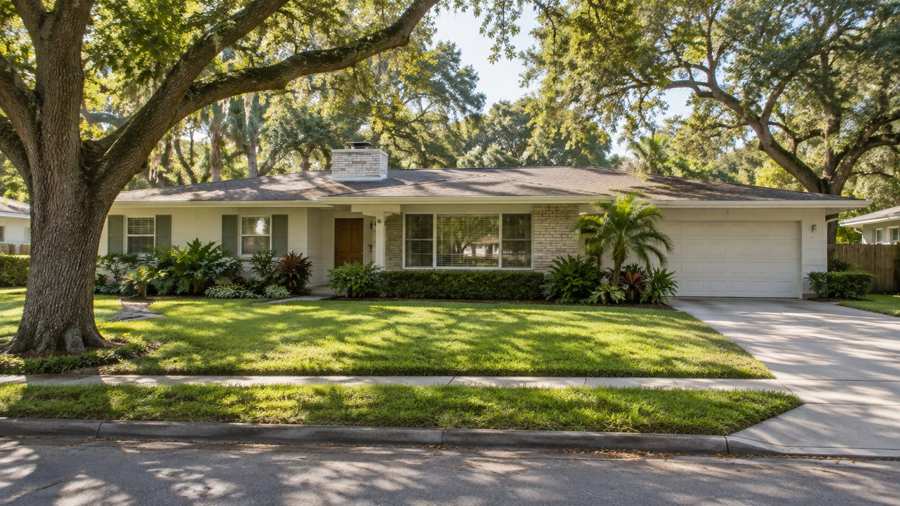
A Beach Park seller may have an insurance estimate, a contractor's invoice and a newly finished room without having a clear answer to the City's substantial-damage question. Those records serve different purposes. Before describing the home as fully repaired or ready for another renovation, organize the actual determination, the scope reviewed and the permit and inspection evidence for what was completed.
The Margliano Team's South Tampa redevelopment discussion illustrates recurring questions about repair limits and older homes in Beach Park. The working authority here is different: City of Tampa forms and permitting guidance, supported by FEMA's explanation of local substantial-damage decisions. This guide prepares a record file. It does not assess a private home, calculate a repair allowance, promise an emergency waiver or decide that an estate must be demolished.
Start With the Address and the Actual City Record
A neighborhood name cannot establish a flood zone, damage history or substantial-damage decision. Identify the actual property and permitting jurisdiction, then recover the City correspondence and project records already available. Keep the original letter and any later determination separate. An assessment notice, unfinished application and completed decision are different stages, and each should be described accurately in the seller file.
The City of Tampa Flooding page says the current Flood Insurance Rate Map shows a property's relation to the Special Flood Hazard Area and related map information. It also says local flood maps can identify localized flooding not shown on FEMA maps. Use the actual address and relevant map record rather than assigning one zone or history to all Beach Park homes.
Identity page: Record the property address, parcel identity, known address changes and permit record numbers. Confirm the public authority for the property before applying City of Tampa instructions. A Hillsborough County or nearby municipality's procedure is not automatically the City process. This guide has not searched a private parcel, established a home's flood zone or recovered its individual City file.
Tampa's historical notice about substantial-damage assessment letters describes visual assessments after Hurricanes Helene and Milton and a further determination process. The page is explicitly dated and warns that its information may no longer be accurate. Use it to understand why a seller may hold an assessment letter, not as a claim that a new mailing is occurring now or that every recipient received the same final outcome.
Keep the original notice, submitted form, supporting material, City response and subsequent revision together. If only a notice is available, label the final determination unresolved. Do not turn a contractor's reassurance or an absence of recent correspondence into a City decision. Ask the appropriate office or adviser to clarify the actual status before advertising a completed compliance review.
Keep Flood Risk and Substantial Damage as Separate Questions
Flood mapping describes exposure and regulatory context, while substantial damage concerns a locally evaluated repair-cost relationship. Known flooding is a separate factual history again. Keep those questions in different columns. A favorable map label does not erase a past event, and an insurance claim does not automatically establish the local determination. Use the relevant document for each statement made during a sale.
FEMA's Hurricane Rumor Response directly addresses the misconception that an insurance claim creates the decision. It states, "A flood insurance claim does not automatically lead to a substantial damage determination." The page says local officials assess the damage case by case. Keep the claim history and City determination separate rather than advising an owner to avoid a claim to escape a regulatory review.
FEMA's substantial-damage and improvement explanation identifies the local building official or floodplain manager as the decision-maker. Its general framework describes repair cost of fifty percent or more of a structure's pre-disaster market value in participating communities, excluding land value. This is context for the City review, not a seller's permission to apply a universal formula or substitute the home's asking price.
Risk record: Preserve the relevant map panel, date, elevation evidence if available and known event history. Decision record: Preserve the actual City determination, cost scope, value basis and conditions. Tampa's Flooding page notes that evacuation and flood zones are not the same. An evacuation designation or an online risk score should not be used as the substantial-damage decision.
The City's general Flooding page uses simplified threshold wording, while FEMA's fuller explanation includes equality at the threshold. Do not decide a borderline case from a short webpage sentence. The actual local determination and applicable requirements govern the project. Keep a near-threshold question visible and obtain City clarification instead of rounding the numbers into a favorable seller claim.
Preserve the Structure Value and Reviewed Cost Basis
The determination file should show the value basis, project scope and costs the City reviewed. Do not substitute the land-inclusive sale price, insurance payment or an old example from a form. Keep applicant information separate from the City processing fields. If supporting values or scope change, recover the revised decision rather than assuming the earlier conclusion still answers the new project.
Tampa's Substantial Improvement and Damage Determination form separates applicant project information from a processing section completed by City staff. The latter includes the existing structure value, appraisal or verified assessment basis, costs and percentage review. Preserve that separation: a filled applicant form is not the staff determination, and an appraiser's document alone does not prove the City accepted its value.
The form's instructions use the most recent International Code Council valuation table for the construction calculation and warn that the table changes. The posted document includes a worked example and a December 2024 update date despite its current hosting path. Do not copy that example's cost into a seller estimate or describe the file path as proof that every printed number was revised in 2026.
Scope log: List repair, addition and remodeling items as they appear in the submitted project. Keep the area, cost basis and referenced table with the original form. If contractor estimates differ from the permitting calculation, preserve both and ask why. A discounted invoice, owner labor arrangement or insurance settlement may answer a budget question without establishing the calculation the City uses.
The City processing form includes fields for work within one year and expired permit costs that count toward the determination. Do not infer from a single project invoice that the City considers no other work, or announce a broad reset date without confirmation. Recover the actual included scope and staff conclusion so the seller explanation reflects the reviewed file rather than a self-created repair budget.
Treat Emergency Waivers as Conditional Rather Than Permanent
Tampa publishes a post-hurricane guide, but the guide explicitly limits its emergency procedures to declared disasters after the Mayor exercises emergency powers. Publication does not prove that a waiver is active now. Preserve the applicable directive and dates for historical work, and confirm current requirements before planning new repairs. A waived permit or fee does not automatically remove the separate floodplain determination process.
The City's Post-Hurricane Permitting Guide is updated April 2026. It states that its information applies only after a declared disaster and the Mayor's exercise of Emergency Management Powers. It also expressly warns that posting the guide is not intended to imply permits or fees are currently waived. This guide makes no finding that a waiver is active for a Beach Park owner today.
Under the conditional post-disaster process, the City guide requires a Substantial Improvement Determination form for repairs in a Special Flood Hazard Area even when a building permit is not required for the repair work. It distinguishes submission with a permit application from the conditional Administrative Records route. Keep the actual submission and result; do not assume no building permit means no flood review.
The same guide says the Administrative Records option is "only activated following a declared disaster". That is a reason not to promise that a seller can use the option at any time or that a buyer will find it enabled. Confirm the appropriate current route with Construction Services. This guide has not opened a private application, submitted a form or asked the City to review a property.
Historical basis: If work relied on a storm-specific exemption or fee waiver, preserve the applicable City instruction, event, dates and exact scope. A dated emergency memo should not be used to justify later unrelated remodeling. Distinguish a waived fee from waived permit requirements, and keep any remaining inspection, trade or floodplain conditions visible in the record packet.
Match the Repair Scope to the Actual Permit Requirements
Finish work, structural repairs and trade work can have different permit implications. Describe the work actually done, not a convenient category chosen after completion. Use the relevant current City guidance and project decision to establish the requirements. Keep a documented exemption separate from an issued permit, and do not advertise a broad no-permit conclusion from one narrow emergency example.
The conditional Post-Hurricane Permitting Guide separates standalone finish work from work involving electrical or plumbing changes. It also identifies limits for roof work, drywall flood cuts and size-for-size door replacements under that emergency framework. These examples explain why a finished room's appearance is insufficient. They do not establish current exemptions for every project or every storm.
Tampa's Residential Alterations Permit Application Guide sets out minimum filing material, including applicable site and building plans. It identifies flood-zone information and the substantial-improvement determination among relevant documents. Preserve the application scope, reviewed plans and requested corrections so a buyer can distinguish a limited finish repair from a structural alteration or a wider rebuilding project.
Repair inventory: Record the rooms or systems affected, what was removed, what was replaced and which contractors or professionals supplied the available documents. Keep photos and invoices as work-history evidence, not permitting decisions. If a repair expanded into additional remodeling, show the change instead of keeping only the smaller original estimate that made the project appear simpler.
Ask the City or qualified project professional about unresolved scope classifications before promising that all permits were unnecessary or complete. This guide does not choose a permit category for a private owner, sign an owner-builder acknowledgement or determine the legality of prior work. Its practical purpose is to preserve the actual decision path and identify the questions a transaction review still needs answered.
Read Inspection Results Instead of Inferring Completion
An issued permit, paid fee and scheduled inspection do not establish the same fact as a recorded completed inspection. Recover the permit record and relevant results, then connect them to the work described. Keep unresolved inspections or corrections in the packet. A favorable result for one trade or stage should not be stretched into a guarantee that every storm repair and floodplain condition is closed.
Tampa's Accela Guide for finding inspection results explains that general results can be viewed without an account. It directs users to the permit record, the Record Info inspection section and detail views. The document also distinguishes secure records requiring authorized access. Use permitted public evidence where available without assuming every attachment is public or that access restrictions mean the work lacks approval.
The City's permit-address search guide provides a route for locating construction permit information. Search with known record numbers when possible, then verify the address and scope. A search result for a different project on the same property may not concern the storm work. Preserve the search date and any ambiguity rather than labeling the entire home finaled from the first matching entry.
The inspection guide labels the detail view "Inspection Results". Preserve the actual category, outcome, date and corrections, not merely the fact that an appointment appeared in a portal. A scheduled visit is a future step, and a pass for one stage can leave other requirements outstanding. Ask about the actual project closeout when the available results do not establish it.
Completion chain: Connect the City determination, approved scope, issued permit and relevant results. Include later scope changes and written clarifications. An invoice marked paid or a freshly painted wall can support the physical work history, but neither establishes that the City reviewed all required conditions. Keep any remaining question separate from a statement that the restoration is visibly finished.
| Record | What it supports | What it does not prove alone |
|---|---|---|
| Flood map and elevation evidence | Mapped hazard and measured elevation | No prior flooding |
| Assessment notice | A documented City review step | A final substantial-damage outcome |
| Submitted determination form | Applicant scope and supporting inputs | City acceptance or completion |
| City determination | Reviewed local conclusion and conditions | All repair inspections passed |
| Permit and approved plans | Authorized work scope | Every project is closed |
| Inspection result | Specific stage and recorded outcome | All insurance costs were paid |
| Claim or contractor invoice | Financial and work history | Floodplain compliance |
Keep Insurance and Repair Funding Outside the Approval Claim
Insurance records help explain damage and funding, but they are not the local permitting determination. Preserve claim estimates, payments and remaining work separately from the City file. Do not promise that a regulatory finding limits every claim or guarantees additional coverage. Ask the insurer and transaction advisers about property-specific policy questions while keeping approval and inspection statements tied to their actual public records.
FEMA's Hurricane Rumor Response explains that a substantial-damage determination does not set the amount paid under an NFIP claim; covered damage remains governed by the policy. That distinction should prevent a seller from presenting an insurance payment as the approved repair allowance or describing a City's percentage as the insurer's automatic payment limit.
The same FEMA page says some policyholders may have Increased Cost of Compliance coverage and advises contacting the insurer or agent. Do not promise eligibility, a payment amount or buyer access to that coverage from a neighborhood guide. This file includes no private policy review, current premium quote or determination about a particular Beach Park owner's claim.
Funding record: Separate estimated repair costs, documented payment, work completed and work still planned. If the contractor invoice and insurer scope differ, explain the difference using the original documents rather than assuming the larger number establishes compliance. Protect claim identifiers and personal financial details when providing the necessary records for the permitted transaction review.
Tampa's Flooding page discusses flood insurance separately from ordinary homeowners coverage and notes that localized flooding can occur beyond mapped hazards. Use those distinctions as reasons to obtain property-specific advice. Do not advertise that a finished repair, favorable zone label or settled claim guarantees no future flooding, a lower premium or a policy the buyer can obtain on the seller's terms.
Compare Sale Proposals With the Determination and Remaining Work Visible
Every proposed sale route should use the same established City record and known gaps. Separate the completed home, unfinished repairs and a buyer's future remodeling plan. Ask how the written terms handle remaining review or work without assuming that a cash purchase removes the underlying issue. The guide supports an accurate comparison, not a guarantee of approval, price or an objection-free closing.
The City determination form, alteration guidance and inspection records address different parts of the project. Prepare a short index linking each conclusion to its source document. Keep the actual City wording and conditions alongside a plain description of what remains unresolved. Do not replace a qualified conclusion with fully compliant because a buyer wants a simpler sales story.
Offer review: Ask how missing records, incomplete inspections or a proposed change in work scope affect the written offer, responsibilities and timing. Review these questions with the transaction advisers. This guide does not draft a disclosure statement, prescribe a contract clause or determine which party legally bears every obligation. A usable packet helps that review without pretending to complete it.
A buyer may plan to elevate, replace or remodel the property. Those are future choices subject to the actual review and applicable requirements, not proof that demolition is inevitable or reconstruction will be approved. FEMA's rumor guidance rejects the idea that FEMA automatically tears down a home based on the percentage. The local officials and documented project path remain the relevant starting points.
When a revised determination, new permit or later inspection arrives, update the packet and preserve the earlier version. Tell the appropriate transaction professional what changed. An organized file can reduce confusion, but it does not promise a buyer's acceptance or a particular financing outcome. Keep the sale conversation grounded in current documents rather than a rough percentage or another neighborhood's experience.
Frequently Asked Questions
These answers address recurring substantial-damage, repair and sale-record questions without assessing a Beach Park home. Use the actual City decision and project documents rather than a neighborhood label or insurance payment. Confirm current procedures and unresolved scope with the appropriate authority, then compare sale terms using the same truthful information about completed work, remaining review and future proposals.
Does a flood insurance claim automatically create substantial damage?
No, FEMA says local officials assess the damage case by case. Keep claim records separate from the City determination.
Can the asking price establish the structure value?
Do not substitute a land-inclusive sale price for the reviewed structure value. Preserve the accepted basis and City processing record.
Is an assessment letter the final determination?
Not necessarily, preserve the actual stage and later response. Obtain clarification when the completed decision is missing.
Are Tampa storm permit waivers always active?
No, the current guide limits them to its stated emergency conditions. Confirm the applicable directive and current requirements for the work.
Can a waived repair permit eliminate the determination form?
The conditional City storm process can still require the form for SFHA repairs. Check the actual project route rather than assuming no permit means no review.
Does a paid contractor invoice prove compliance?
No, it supports work and payment history. City determinations, permits and inspection results answer separate questions.
Does one passed inspection close every repair?
No, match the result to its scope and stage. Ask about remaining project conditions and required completion evidence.
Does substantial damage automatically mean demolition?
Do not assume that from a percentage or rumor. Obtain the local determination and documented compliance options for the actual structure.
Can a direct purchase erase a missing City record?
A different sale route does not create the missing decision. Compare written terms with the known gap and remaining responsibilities visible.
How Maison Off-Market Fits a Damage Record Handoff
Maison Off-Market offers a direct-purchase route to compare with a listing once the property record is organized. Its public process includes assessing the home and land and making an offer if it fits. That process is not a City substantial-damage determination, permit or inspection certification, and it does not guarantee a purchase or resolve every unfinished repair question.
Maison Off-Market's public site describes buying luxury homes and estates directly from owners without showings, commissions, closing costs or seller repair work. Those are public service claims, not a private Beach Park offer or a guarantee that missing approvals disappear. The guide does not turn the purchase process into a floodplain compliance finding or insurance outcome.
Compare actual terms: Provide the relevant City conclusion, repair scope, permit status and known gaps during the permitted review. Ask how unfinished work or missing records affect the written proposal and who handles remaining steps. Review price, timing and responsibilities with the appropriate advisers rather than treating a simpler purchase route as proof that the project is complete.
Compare your options before committing. Request a written private offer for your property, with no obligation, then weigh it against your listing plan.
Sources
- City of Tampa, Checked October 2026. Post-Hurricane Permitting Guide. https://www.tampa.gov/sites/default/files/document/2026/post-hurricane-permitting-guide_ada.pdf.
- City of Tampa, Checked October 2026. Substantial Improvement and Damage Determination Form. https://www.tampa.gov/sites/default/files/document/2026/substantial-improvement-and-damage-determination-form_ada.pdf.
- City of Tampa, Checked October 2026. Flooding Information. https://www.tampa.gov/tss-stormwater/info/flood.
- City of Tampa, Checked October 2026. Historical Substantial Damage Letter Announcement. https://www.tampa.gov/news/2025-05/city-tampa-begin-mailing-substantial-damage-assessment-letters-160866.
- City of Tampa, Checked October 2026. Residential Alterations Permit Application Guide. https://www.tampa.gov/sites/default/files/document/2026/permit-application-guide-residential-alteration_ada.pdf.
- City of Tampa, Checked October 2026. Find Inspection Results Guide. https://www.tampa.gov/sites/default/files/document/2026/accela-guide-find-inspection-results_ada.pdf.
- City of Tampa, Checked October 2026. Search Permits by Address Guide. https://www.tampa.gov/sites/default/files/document/2026/accela-guide-search-for-permits-by-address_ada.pdf.
- FEMA, Checked October 2026. Hurricane Rumor Response. https://www.fema.gov/disaster/recover/rumor/hurricane-rumor-response.
- FEMA, Checked October 2026. Substantial Damage and Improvement Options. https://www.fema.gov/press-release/20250121/homeowners-substantial-damageimprovement-homes-have-options.
- Margliano Team, Checked October 2026. South Tampa Redevelopment Questions. https://marglianoteam.com/blog/why-south-tampa-keeps-tearing-down-houses-that-still-have-good-bones.
- Maison Off-Market, Checked October 2026. Direct Purchase Process. https://bulkscaler.com.
Related research
Seller Guide · 2026-10-09
How to Assemble South Naples Flood Map and Repair Sale Records
Match effective maps, elevation evidence and approved repair records before presenting a sale file.

Seller Guide · 2026-10-09
How to Prepare Newton Tree Permit and Protection Sale Records
Separate removal permits, exemptions, arborist assessments and replacement obligations before selling.

Seller Guide · 2026-10-09
How to Organize Sevierville Well and Spring Water Sale Records
Separate the water source, construction report, test results and service history before selling.