Seller Decision · by Aidan Sowa · October 6, 2026
Should a Belle Meade Seller Repair a House That Buyers Call a Teardown? Reading the Condition, the Review and the Offer
A buyer's plan for the land does not by itself settle the house's condition, approval path or best sale route.
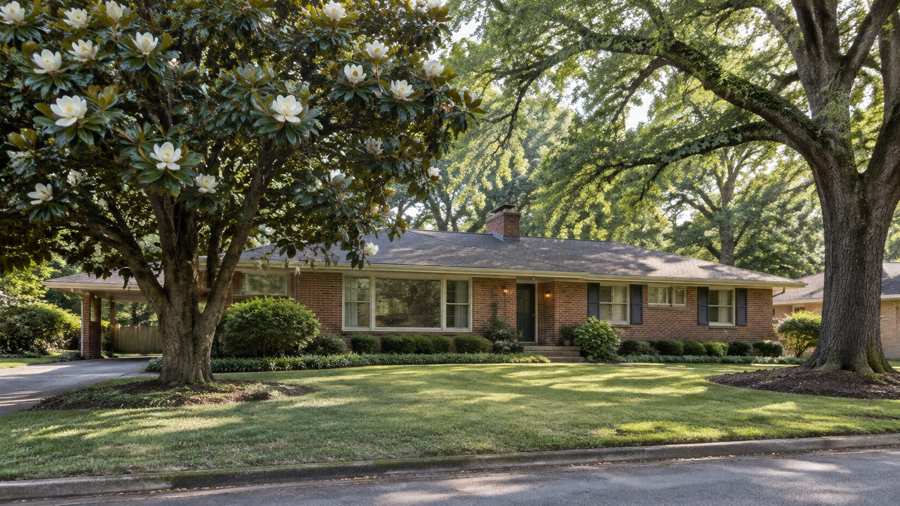
Should I spend on repairs before selling my Belle Meade house if buyers keep calling it a teardown? The label can make an owner feel every improvement is wasted, but it is a buyer's description, not a complete analysis. Some buyers may want the lot for a new plan, others may want to live in or adapt the house, and the relevant approval process may constrain what can be done. Before choosing a repair budget, establish the condition, the seller's priorities and the assumptions behind actual offers.
Real seller discussions expose the choice. A Nashville homeowner facing a divorce described deferred maintenance and asked whether to coordinate repairs, list aggressively or consider an as-is buyer. In a separate discussion without a verified Nashville location, an owner of a livable older house asked how much preparation made sense when nearby houses were being replaced. Those are unverified accounts, not market findings or advice for your property. They show why a seller might want fewer preparations without assuming that every buyer will demolish the house.
For property within the City of Belle Meade, the city's conservation guidelines and building pages add an important boundary: a replacement plan can involve review and permits rather than an automatic right created by a sale. A Belle Meade mailing or neighborhood description should not be substituted for confirmation of the property's jurisdiction. This brief does not inspect a house, classify its significance or decide a demolition application. It prepares a comparison of repair-first and sell-as-it-stands routes using the actual evidence.
Key Findings
- Belle Meade's current Historic Zoning page links design guidelines labeled adopted August 2022 and amended February 2025. The document describes review of demolition, additions and new construction, including a Certificate of Appropriateness in addition to the building permit. This article does not apply an approval result to any parcel.
- The guidelines distinguish properties of significance from properties worthy of conservation and encourage owners to ask the Planning Director about the review needed for a specific project. An old construction date or a buyer's teardown label does not establish the property's category.
- The city's Building Permits page lists repair, interior and exterior renovation, demolition and new construction among residential project types. It describes permit and inspection requirements. A seller should ask about the actual proposed work rather than assume a cosmetic-looking project or a buyer's future plan needs no review.
- The city also publishes tree-management requirements and an application route before tree removal. Site preparation should not be treated as a blank lot exercise simply because the house is being marketed for possible replacement.
- The postal-area survey counts 12,641 housing units, with 8,288 built before 1980, about 65.6%. Those figures describe a mixed broader area and do not identify which houses need repairs, will be demolished or would recover a preparation budget at sale.
What does the teardown label actually establish?
Ask who is using the label and what evidence supports it. A buyer may be describing its own intended use, a seller may be repeating a neighbor's experience, or a contractor may have identified a serious condition. Those are different sources. A livable house can attract a buyer who prefers replacement, while another buyer may see a renovation opportunity. The label should not replace a condition assessment or a property-specific sale valuation.
The Consumer Financial Protection Bureau separates an inspection of physical condition from an appraisal of value. Its inspection guide says major repairs can complicate financed closings and some loan programs require property standards. That does not establish a defect in this house. It means a seller should collect qualified condition evidence rather than turn a buyer's teardown label into an assessment. A dated kitchen, a repair report and a lender's appraisal condition are different things. Describe which evidence you actually have.
The CFPB's appraisal explanation describes an appraisal as a written opinion of value, with information about the property and comparisons. That is different from an inspection and from a buyer's redevelopment calculation. Ask the valuation professional how relevant closed sales compare with the actual house and lot. A nearby new home is a different finished product; its price is not the value of your existing house or the profit a replacement project will earn. Costs and approvals remain separate assumptions.
Record which work is needed for continuing care or safety and which is elective preparation for marketing. Those categories should not be merged. A desire to sell without repairs does not erase an urgent condition requiring qualified advice. Elective work, however, can be compared with its possible benefit and the effort the seller is willing to undertake. The article does not recommend deferring hazards or promise that a particular improvement will be repaid.
An owner's first useful decision may be to gather information rather than authorize a renovation. An assessment, a clear description of the known condition and a realistic listing comparison can narrow the choices. Avoid committing to a major scope solely because one person says all buyers expect updates, or cancelling every preparation because another says the house will be demolished. Both claims need the actual market and property evidence behind them.
Why does the City of Belle Meade review matter?
First confirm whether the parcel is within the City of Belle Meade. The postal-area data used here include other places and do not establish municipal jurisdiction. The city publishes its own Historic Zoning and building process; properties under another authority need that authority's current rules. A seller should not apply the city's guideline to every listing using a Belle Meade area description, or ignore it for a parcel that is actually within the city.
The current Historic Zoning page links the citywide conservation design guidelines. The document itself says adopted August 2022 and amended February 2025, although the file name includes an older draft label. This brief used the current linked document rather than assume the separately indexed August 2022 file contains every later change. Owners should use the city's current route and ask staff about the version relevant to their proposed project.
The guidelines describe a Certificate of Appropriateness for new construction, additions or demolition, obtained in addition to a regular building permit. They explain review by the Historic Zoning Commission or staff depending on the project. The city page invites owners to use its planning and zoning portal. These facts show why a replacement idea should be presented as a proposal requiring the applicable review, not as guaranteed potential automatically included with ownership.
The document distinguishes properties of significance from properties worthy of conservation and describes different considerations. It encourages owners to contact the Planning Director about the need for a certificate and level of review. This article makes no classification. A house's age, a description as architecturally ordinary or a buyer's preference cannot establish the category. Have the actual property and scope reviewed rather than infer the answer from an informal label.
A sale offer may depend on the buyer's ability to complete a future project. Ask what approval assumptions the buyer is making and whether the contract gives it a review condition. This does not mean the seller must obtain demolition approval before receiving any offer. It means the parties should understand what remains uncertain. A headline price supported by an unverified replacement plan can be different from a proposal based on the house as it stands.
What work needs its own scope and record?
The city's Building Permits page lists new homes, additions, demolition, interior and exterior renovation, repairs and other residential projects. It states that applicable permits and inspections must be obtained and provides its portal route. This brief does not decide whether a particular painting task, repair or alteration needs a permit. Ask the city or qualified project professional about the specific scope rather than treat all preparation as a single category.
Belle Meade's Zoning page asks owners to call Planning before beginning any building project, including interior renovations. It says the Planning Director or Building Official can help with compliance and that public building activity since summer 2024 can be searched through the CivicGov portal. Use that route to research recorded work, not to certify the whole house. Match the proposed scope to the appropriate review before comparing contractor totals or promising buyers that preparation can start immediately.
The city's Certificate of Appropriateness application asks for a description of condition and proposal, site and elevation information, and property and neighboring-property photographs. Its demolition portion asks about condition, habitability and reasons for demolition. It is a planning aid, not evidence of approval. The form refers to interim guidelines, so confirm the current submission requirements against the city's newer linked guidelines. An invoice, permit record and completed design review still answer different questions. Keep them distinct in the condition file.
The city's tree-removal page describes an application before removal and directs owners to the ordinance for replacement standards and exceptions. Its separate NES pruning page says utility contractors can prune or remove trees near electrical lines and equipment in the right of way without city or owner permission. Do not mistake utility maintenance for general permission to clear a lot. Ask which authority and rule apply to the specific work. This brief assesses no trees, utility corridor or replacement plan.
The Building page carries a March 2026 notice concerning security fencing for demolition and new construction sites. That is another reminder that a future project can have practical requirements beyond the house's purchase. This brief does not provide a construction checklist or price those requirements. The seller's offer comparison should simply avoid describing a proposed redevelopment as ready to begin when its permits, design and site obligations have not been established.
What does the older housing stock tell a seller?
The ACS 2020-2024 counts 12,641 housing units in the postal area that includes Belle Meade and other neighborhoods. The median construction year is 1971. About 65.6% of units, or 8,288, were built before 1980. That makes the housing context useful for an older-house discussion, but it does not establish the age or condition of a particular roof, electrical system, addition or foundation.
The largest construction decade group is the 1950s with 2,203 units, followed by the 1970s with 2,079 and the 1960s with 2,002. Houses from the same period can have different maintenance histories and later changes. A build-year chart cannot distinguish carefully updated houses from ones needing work. It also does not identify conservation significance or establish which units a buyer might want to replace.
There are 11,753 occupied units, with 7,969 owner-occupied and 3,784 rented homes. Owner occupation is about 67.8% of occupied units. These figures describe the broader postal-area stock, not a count of sellers in the City of Belle Meade. They do not prove a particular buyer prefers a renovated house, a rental or a vacant lot. The actual offers and property evidence remain the basis for the sale decision.
The earlier Belle Meade market brief examines different market tiers and city context. This new question is about the preparation decision before a sale. Neither a postal median nor a high-end new-home sale can determine whether your repair budget is sensible. Use current comparable evidence and qualified advice tied to the property, and keep the scope of the statistics explicit.
An older-house owner may have strong reasons to avoid a long renovation. Time, coordination and continuing responsibility can matter alongside the expected price. Those preferences should be acknowledged rather than hidden behind a claim that repairs always pay or never pay. This article does not assign a value to the owner's time. It encourages a realistic comparison that shows what each route requires from the person selling.
How do you compare repair-first and as-is preparation?
Build two plans using the same known condition. For repair-first, show the actual proposed scope, supported cost estimate, approvals still needed and the work the owner must coordinate. For as-is, show the evidence buyers receive and the offer conditions expected. An as-is listing can still involve photographs, access and buyer review. A direct proposal can still contain contingencies. Neither label describes the full amount of preparation by itself.
Separate a hoped-for price increase from a supported comparison. A contractor's quote is not a promise that buyers will pay that amount back. A listing professional's estimate is not a closed sale. Ask what comparable evidence supports the expected result and which assumptions might change it. If the likely benefit remains uncertain, show the range instead of an exact improvement return. No repair-cost recovery percentage is established in this brief.
Consider whether the proposed work fits the likely buyer's use, while recognizing that the buyer mix is not yet known. A person wanting to occupy the house may value a different scope from a person proposing replacement. Do not prepare for only one assumed audience without evidence. A limited, clearly explained condition file may be more useful than expensive work whose purpose has not been tied to the sale plan.
Include continuing costs and practical commitments in the timeline. Ask how long the actual work might take and which approvals or contractor arrangements remain pending. This article supplies no guaranteed permit or construction duration. A repair-first plan should not be compared with a direct offer using an unrealistically short preparation window. The seller needs to know which dates are commitments and which are estimates awaiting further information.
An as-is route should still communicate the known facts accurately. Ask the transaction professional how the actual agreement handles condition, disclosure and inspections. This article does not decide the seller's legal duties or supply contract language. It rejects only the unsupported assumption that selling as-is means no one needs to understand the property. A clear description helps buyers make offers on the house they will actually receive.
What should the buyer's proposal make clear?
Read the offer for conditions connected with inspection, zoning, conservation review or a replacement plan. A buyer may be willing to pay a high price only if a proposed project is feasible. Ask how that uncertainty affects its right to withdraw, renegotiate or extend the timeline. The seller should understand the actual contract before describing the offer as certain. A buyer's enthusiasm for the lot is not the same as a completed approval.
For a public listing, discuss how to present the existing house and avoid unsupported redevelopment claims. A listing may attract several kinds of buyers and offers. Compare their price, conditions, funding and timing using the same property information. If one buyer wants the house as a home and another wants to pursue replacement, the seller can consider both without pretending the city's decision on the latter is already known.
For a private purchase, identify the buyer and review the complete proposal in writing. A cash label does not prove that every inspection or project condition has been waived. Ask how the buyer evaluates the known condition and what remains subject to review. Do not select a route on a marketing statement about buying teardowns if the actual contract relies on permissions or assumptions the seller has not examined.
Maison Off-Market's stated seller route offers privacy without showings, flexible closing dates, no commission costs, no closing costs and avoiding inspections or repairs. Those features may suit an owner who wants to avoid coordinating a preparation project. They do not guarantee the highest price or certify a future demolition. Compare the written direct proposal with a realistic listing and repair plan, keeping the property's review boundaries visible.
A useful sale decision does not require accepting the teardown label as destiny. Establish what the house needs, how the applicable authority treats proposed changes and what buyers actually offer. Then choose the path that the seller can complete on the agreed terms. Repairs, an as-is listing and a private purchase are choices to compare, not shortcuts around the condition evidence or the city's review of a future project.
Methodology and limitations
Sources were read on October 6, 2026. The City of Belle Meade's current Historic Zoning page links guidelines amended February 2025; that linked document was used rather than the older separately indexed version. City requirements are discussed only for property within that jurisdiction. No parcel boundary, conservation classification, design, repair scope or permit application was assessed. The application form refers to interim guidelines and is used only to explain requested project information, not to replace the current guidelines. CFPB guidance concerns most mortgage transactions and does not decide an actual buyer loan requirement.
Real-person discussions provide unverified seller question context, not repair advice or market evidence. The Nashville discussion is regional, and the separate teardown discussion does not establish a Nashville location. Census figures cover the postal area; shares are calculated from published counts. No appraisal, repair return, approval outcome or construction schedule is supplied. The generated image is illustrative.
Conclusion
A Belle Meade seller can question a repair budget without assuming the house is certain to be demolished. Start with the known condition and a defined preparation scope. Confirm the property's jurisdiction and ask about review of any proposed replacement rather than treat a buyer's plan as an approved use.
Then compare the written offers and realistic costs of each route. A repair-first sale may fit one owner, while an as-is listing or direct proposal may fit another. The dependable choice is the one based on the actual house, supported expectations and terms the parties can perform, not the most confident use of the word teardown.
Frequently Asked Questions
Does a buyer calling my house a teardown establish demolition approval?
No. It describes an intended use, not an approval. For City of Belle Meade property, consult the current review process and obtain advice about the actual proposal.
Does the postal-area build year classify my house's significance?
No. The chart describes housing construction periods and does not establish a conservation category or property condition.
Will repairs guarantee a higher sale price?
No guaranteed return is supplied. Compare the actual scope and cost with property-specific valuation advice and buyer terms.
Does as-is mean buyers cannot inspect?
The label alone does not establish the contract's inspection terms. Have the transaction professional explain the actual agreement.
Which version of the city guidelines was used?
The document linked from the current Historic Zoning page, labeled adopted August 2022 and amended February 2025. Confirm the current requirements for your project rather than rely on a search result's filename.
Compare your options before committing. Request a written private offer for your property, with no obligation, then weigh it against your listing plan.
Sources
- City of Belle Meade, Checked October 6, 2026. Historic Zoning / Conservation Overlay: current portal and linked guidelines. https://citybellemeade.org/historic-zoning-conservation-overlay/.
- City of Belle Meade, Adopted August 2022; amended February 2025; checked October 6, 2026. Current linked conservation guidelines: project review and classification context. https://citybellemeade.org/wp-content/uploads/2025/02/DRAFT-STAFF-HZC-Design-Guidelines-December-2024-FINAL.pdf.
- City of Belle Meade, Checked October 6, 2026. Building Permits: project types and current site-fencing notice. https://citybellemeade.org/building-permits/.
- City of Belle Meade, Checked October 6, 2026. Tree ordinance and removal application: site-work context. https://citybellemeade.org/faq/tree-ordinance-tree-removal-permit-application/.
- U.S. Census Bureau via Census Reporter, ACS 2020-2024; checked October 6, 2026. Postal-area housing units, tenure and construction periods. https://api.censusreporter.org/1.0/data/show/latest?table_ids=B25034,B25035,B25077,B25003&geo_ids=86000US37205.
- City of Belle Meade, Checked October 6, 2026. Certificate of Appropriateness application: condition, photographs and project information; current requirements must be confirmed. https://citybellemeade.org/wp-content/uploads/2024/09/HZC-Certificate-of-Appropriateness-2024.pdf.
- City of Belle Meade, Checked October 6, 2026. Zoning: planning contact before work and public building-record route. https://citybellemeade.org/zoning/.
- City of Belle Meade, Checked October 6, 2026. NES pruning and tree removal: utility right-of-way distinction. https://citybellemeade.org/faq/nes-pruning-tree-removal/.
- Consumer Financial Protection Bureau, Checked October 6, 2026. Schedule a home inspection: condition, repair negotiations and financing limits. https://www.consumerfinance.gov/owning-a-home/close/schedule-a-home-inspection/.
- Consumer Financial Protection Bureau, Checked October 6, 2026. Appraisals: written opinion of value, separate from condition inspection. https://www.consumerfinance.gov/ask-cfpb/what-are-appraisals-and-why-do-i-need-to-look-at-them-en-167/.
Related research

Seller Guide · October 6, 2026
How to Prepare Point Pleasant Beach Rental Records Before Selling
Separate rental approval, income history and booked stays before comparing sale terms.
Seller Guide · October 6, 2026
How to Prepare Rumson Flood and Waterfront Records Before Selling
Separate flood disclosure, elevation, repairs and waterfront rights before comparing sale terms.

Seller Guide · October 6, 2026
How to Prepare Sarasota Condo Inspection and Reserve Records Before Selling
Separate building condition, reserve funding and resale documents before comparing sale terms.