Seller Guide · by Aidan Sowa · October 6, 2026
How to Prepare Hingham Historic House Alteration Records Before Selling
Identify district review, approved exterior work and inspection duties before comparing sale options.
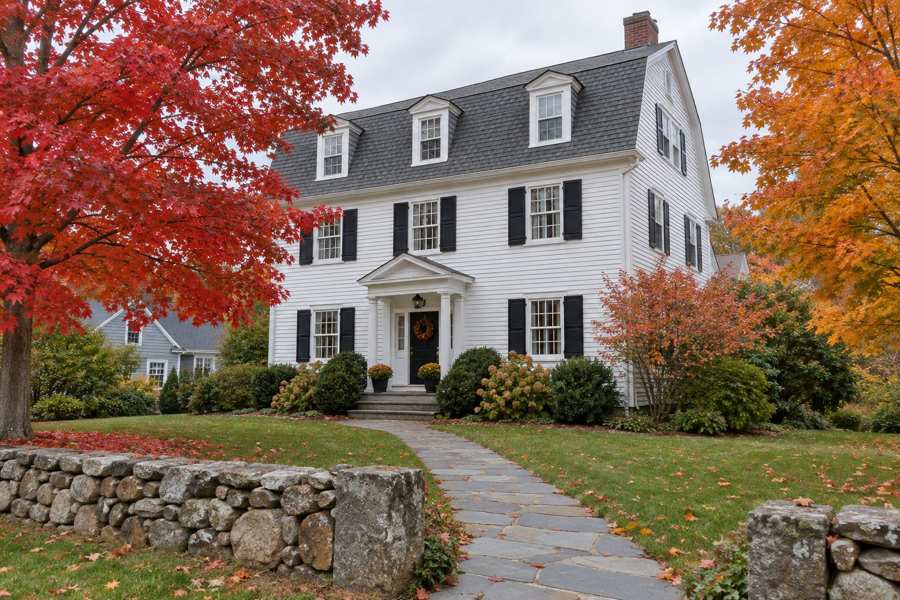
A Hingham seller should not describe an old house as 'fully approved' because a contractor finished the work or a historic commission discussed the design. The useful record separates the property's designation, the actual certificate, approved plans, building permits, completed inspections and present condition. A National Register listing, local district boundary and preservation restriction can also carry different consequences.
Hingham's posted demolition-delay by-law specifies a six-month delay from the filing of the Commission's report when defined regulated work is determined to concern a structure or element that should preferably be preserved. That is not a six-month wait for every historic-house sale or every repair. The scope, finding, start date and exceptions matter before anyone promises a renovation schedule.
This guide applies current Town documents, Massachusetts preservation and transaction guidance, and substantive window-preservation articles. It helps sellers compare a listing, selective preparation and a private proposal with a more accurate alteration file. It does not issue a certificate, diagnose lead hazards, guarantee restoration savings or make a direct purchase exempt from Massachusetts inspection rights.
Identify the Actual Historic Designation Before Gathering Approvals
Start with the parcel, district boundaries, inventory records and any recorded preservation restrictions. Massachusetts Historical Commission guidance distinguishes a National Register district from a locally regulated historic district. Hingham's Historic Districts Commission reviews district exterior work, while its Historical Commission administers separate protections such as demolition delay. A home's age, architectural style or real estate description does not establish which review applies to the actual parcel.
Designation file: Gather the legal description, survey, title report, district map and available inventory entries. The Town's Documents and Maps page supplies local district maps and explanatory documents. Check the specific lot and any later boundary changes with the Town rather than using a nearby house's approval history. A street may cross more than one district or contain properties with different review status.
The state explains that National Register listing alone does not limit an owner's handling of a property when there is no state or federal project involvement and no pertinent local or regional regulation. That qualification is essential in Hingham, where other local protections can apply. Do not turn the national designation's limited effect into a claim that this property has no alteration restrictions.
Separate restrictions: Have title and counsel examine recorded easements, preservation restrictions and agreements. Commission review is not a substitute for the rights of another restriction holder. A property may have more than one designation or obligation. Conversely, an old house outside a local district should not be described as subject to district design review merely because its architecture resembles a district house.
| Record | Question it helps answer | What it does not prove |
|---|---|---|
| District map and Town confirmation | Which local review applies? | Present building condition |
| National Register or inventory entry | What recognition or review trigger exists? | A universal ban on renovations |
| Recorded restriction | What private preservation duties exist? | Building-code compliance |
| HDC certificate and exhibits | What exterior scope was reviewed? | Final construction inspection |
| Building permit and inspections | What construction was authorized and checked? | Approval of every later alteration |
Separate Historic Certificates From Building Permits
An HDC certificate and a building permit serve different purposes. Hingham's process page lists certificates of non-applicability, appropriateness and hardship, while its Building Department administers construction and related codes. The Town's by-law requires the applicable certificate before specified district construction or demolition permits issue. Keep the actual documents together without calling a design decision a certificate of occupancy or assuming a permit covers every visible exterior change.
Certificate types: The Town describes non-applicability for maintenance and repair, appropriateness for exterior changes visible from a public way, and hardship for exceptional circumstances. Appropriateness and hardship involve hearings. A hardship certificate is an actual Commission decision under stated criteria, not something a seller can claim simply because restoration would cost more than replacement.
The process page uses broad language about district work, while the by-law protects ordinary maintenance that does not change design, material, color or outward appearance and excludes specified matters. The Town's non-applicability application explains how administrative documentation records unchanged or nonvisible work. Ask the administrator which route fits the actual scope rather than announcing that all repairs are prohibited or that all maintenance avoids paperwork.
Record status: Distinguish informal discussion, application, hearing vote, issued certificate and completed work. Keep the certificate's conditions and exhibits. A plan discussed favorably at a meeting should not be advertised as approved without the actual decision. The Building Department's permit and inspection file remains separate, including any required trade permits and occupancy documentation for the scope.
Reconcile Visible Exterior Features With Approved Plans
Compare the installed windows, doors, roofing, siding, porches, equipment and outbuildings with the certificate and approved exhibits. Hingham's by-law defines exterior architectural features by public visibility, including views from streets, ways, parks and public bodies of water. The guidelines apply design, materials, color and setting. Do not assume that 'at the rear' means invisible or that a similar-looking substitute matches the actual approved detail.
Alteration inventory: List the date, contractor, feature, location and supporting record for each significant change. Include product specifications and approved revisions. The Town's appropriateness packet calls for a clear description and supporting exhibits; its non-applicability packet notes that some work needs both existing and finished photographs. Those records help distinguish approved replacement from a contractor's later substitution.
The guidelines discuss permanent air-conditioning equipment, solar systems, fences and outbuildings as well as the main house. Interior arrangements are generally outside HDC design review, but the guidelines note that interior work affecting visible exterior features can matter. A kitchen renovation that changes an outside window opening needs a different scope review from one that only changes internal finishes.
Uncertain match: Ask the administrator and responsible professionals about differences. Avoid declaring an undocumented feature illegal or grandfathered without evidence. An older permit may predate a district, and the by-law recognizes specified preexisting permits. Conversely, a new owner or a sale does not itself erase an existing condition or establish that a later modification was accepted.
Evaluate Historic Windows Before Promising Replacement Savings
Assess the actual windows and compare repair, retrofit and replacement before offering a pre-sale upgrade. The National Trust's substantive retrofit article recommends a whole-house energy audit and a cost-benefit review that considers climate and historic character. NPS likewise describes repair and storm-window options. Apply those articles as a framework for professional estimates, not a guarantee that every original window should remain or that replacement delivers a fixed energy saving.
Condition evidence: Collect photographs, a window-by-window assessment and scoped quotes. Identify sash, glazing, frames, water damage, operation and existing storm panels without diagnosing hidden hazards from age alone. Hingham's guidelines treat windows as character-defining features and explain why restoration can preserve proportions and materials. A retail product labeled historic is not automatically appropriate for this facade.
The National Trust recommends considering other efficiency measures and an energy audit before isolating window replacement as the solution. Its discussion of climate-dependent results is useful: research comparing retrofit options across climates cannot establish this house's utility savings. NPS also warns against the claim that replacement windows necessarily save half of energy costs. Do not repeat that percentage as a seller benefit.
Options file: Compare the specified repair or replacement, installation, approval needs, finish, warranty and remaining condition. Have qualified professionals address lead-safe work where relevant. Retain the actual HDC determination for altered windows and verify construction requirements separately. A repair estimate is not approval, while an approved design is not proof that installation or weather performance meets every promised outcome.
Check Addition and Demolition Review Without Inventing a Sale Delay
Investigate the actual demolition or addition scope before quoting a timeline. Hingham's demolition-delay by-law can reach defined structures outside local districts, including certain properties within two hundred feet of district boundaries and listed or inventoried structures. It excludes local-district properties regulated under Chapter Forty C from that separate by-law. District review still matters there. A transaction closing and permission to demolish are different events.
Demolition meaning: The posted by-law includes more than complete teardown. It can include removal or replacement of specified historic exterior elements when a building permit is required, while excluding interior modifications without exterior effect. Its procedure also includes a Building Commissioner's determination for certain repair or renovation projects that preserve the substantially same street appearance. Have the Town determine the actual pathway rather than self-declaring the exception.
The six-month delay applies following a finding that the structure or element should preferably be preserved and starts from the Commission report filing. The by-law provides circumstances for earlier release and separate emergency procedures. Do not begin that clock from listing day, a casual inquiry or the buyer's offer. An expired delay is not itself every other required permission to begin construction.
Addition record: Hingham's new-construction guidelines discuss siting, scale, materials, window openings and compatibility. They also require compliance with zoning requirements. Keep those approvals separate from a historic design certificate. A concept showing a rear addition should not be marketed as buildable square footage without the actual decisions, restrictions and current permit requirements for this parcel.
Match Construction Closeout to the Approved Scope
Use the building file to distinguish a submitted application from an issued permit and completed inspections. Hingham's online system allows review of sign-offs and inspections, and its Building Department makes records available for occupancy, compliance and complaints. The inspection page explains final-signature and supporting-document requirements for applicable projects. A contractor's last invoice or a historic certificate does not replace that construction closeout trail.
Permit file: Gather building and relevant trade permits, approved plans, corrections, revisions, inspection results and any required occupancy record. Match the dates and scope to the alteration inventory. A permit for an addition does not automatically document an unrelated later deck, solar installation or exterior substitution. Ask the department about open status or an apparent missing sign-off.
The Town's inspection page requires approved plans and the permit on site during inspections and describes prerequisites for final review. Not every item on the construction checklist applies to every small project. Have the department identify the actual closeout documents for this work rather than promising that every historic-house repair requires the same as-built or energy-rating submission.
Missing evidence: An online search is a useful lead, not an exhaustive history. Follow up for older paper files or records under a different address or permit number. State the verified gap rather than concluding no permission existed. Keep an unresolved complaint, order or correction distinct from a historical inquiry and from a contractor's assurance that the project is finished.
Collect Lead and Condition Records Without Declaring the House Safe
Keep known condition and lead records separate from preservation approvals. Massachusetts says homes built before nineteen seventy-eight may contain lead and explains property-transfer notification duties. NAR's preparation guide discusses inspection and repair estimates, but neither a generic inspection nor an HDC certificate proves a home is lead-free. Collect the actual reports and applicable disclosure forms, and have qualified professionals explain what each document covers.
Lead file: For a covered pre-1978 house, gather known lead information, reports and any letters of compliance or interim control. The state requires the notification before the specified transaction documents are signed. Coordinate the precise state and federal timing with counsel rather than waiting until closing. A new paint coat or new windows do not by themselves establish whole-house compliance.
NAR describes a seller's pre-sale inspection as an optional way to identify issues and obtain estimates before marketing. That is different from the buyer's protected inspection opportunity under current Massachusetts rules. Have the appropriate inspectors and specialists assess structure, roof, moisture and systems as needed. Do not claim that a general home inspection includes every destructive test or certifies historic workmanship.
Repair history: Retain reports, photographs, work scopes, invoices and relevant later findings. Separate a documented leak repair from the condition of the entire roof and a chimney restoration from structural approval of all masonry. Give the buyer accurate information about known issues and unresolved recommendations through the appropriate legal process without replacing professional findings with an 'updated throughout' slogan.
Preserve Buyer Inspection Rights in the Actual Sale Terms
Massachusetts' current residential inspection regulation changes what sellers can promise about a no-inspection sale. For covered transactions, sellers may not condition acceptance on waiving inspection or accept an offer announcing a waiver in advance, subject to defined exemptions. The required signed disclosure accompanies the first written purchase contract. A seller's willingness to avoid repair work is separate from restricting the buyer's protected inspection opportunity.
Current rule: The state summary describes coverage for residential buildings of one to four units, condominiums in buildings of any size and residential co-op sales. The regulation defines the parties broadly. Do not assume a cash offer, direct purchase or business purchaser is exempt merely because the offer differs from a conventional financed homeowner purchase. Have counsel confirm any claimed exemption against the actual parties and transaction.
The buyer must have a reasonable opportunity to obtain and review the inspection and act on its results under the applicable terms. The state also permits reasonable agreed monetary thresholds or deposit-refund limits, without rendering inspection meaningless. NAR's contingency guide provides general contract context, but the Massachusetts rule controls the local distinction. An unreasonably narrow scheduling window is not a substitute for a forbidden waiver.
Buyer discretion: The regulation does not force every buyer to inspect. After compliant offer acceptance and disclosure, the buyer may choose not to inspect without seller coercion or inducement. That is not permission to solicit a waiver in advance. Keep the actual signed form and contract provisions, and compare inspection, repair and withdrawal duties without promising that a private route removes them.
| Route | What to compare | What remains separate |
|---|---|---|
| List in current condition | Price, marketing and actual review terms | Required disclosures and buyer inspection rights |
| Prepare selected work | Approved scope, costs and real completion date | HDC decision and building closeout |
| Consider a private proposal | Net amount, buyer and written conditions | Applicable inspection protections and restrictions |
| Market renovation potential | Documented concept versus issued approval | Buyer design review and permit requirements |
Compare Net Offers and Renovation Claims Using the Same File
Compare a listing, approved preparation and a private proposal using the same alteration and condition evidence. NAR's pricing guide considers property, comparable sales, condition and market factors; its preparation guide supports obtaining repair estimates. Apply those distinctions without assigning a historic-house premium or restoration return from a townwide median. The best route depends on the actual net amount, schedule, conditions and remaining responsibilities.
Offer comparison: Identify the purchaser, deposit, financing, required disclosures, inspection opportunity, repair allocation, credits and closing date. Include stated commissions or fees, preparation spending and carrying costs. An as-is phrase should not conceal open approval questions or be treated as an inspection waiver. Have counsel explain what the actual agreement says about remaining work and risk.
Present historic features accurately without announcing that every alteration adds value. Preservation can matter to a buyer, but the sources here do not establish a Hingham-specific resale premium for restored windows, a replacement roof or local designation. Obtain current comparable-property analysis and scope-specific quotes instead of converting an article's general energy finding into projected sale proceeds.
Renovation potential: Separate a conceptual design from an issued certificate and permit. A buyer may prefer restoring the existing house, accepting its present condition or pursuing a reviewed addition, but none of those preferences proves future approval. Keep the documented restrictions and unresolved records consistent across sale routes. A clearer file helps the review without guaranteeing a higher price or a particular closing.
Frequently Asked Questions
Hingham historic-house sellers should distinguish local district review, National Register recognition, private restrictions, building permits and completed inspections. Window-preservation guidance can help frame quotes but does not guarantee energy savings or approval. Current Massachusetts buyer inspection and lead-notification duties remain separate from exterior design review. These answers organize records without authorizing work, creating a universal demolition delay or making a private purchase automatically exempt from transaction protections.
Does an old Hingham house automatically fall within a local historic district?
Age and architectural style do not establish local district status. Check the actual parcel, district map, inventory records and any recorded restrictions with the Town and title professionals.
Is National Register listing the same as local district regulation?
Massachusetts guidance explains that the designations have different effects. National listing alone has limited effect on privately handled work without government involvement, but applicable local regulation and recorded restrictions must still be checked.
Is an HDC certificate the same as a building permit?
The certificate documents the applicable historic-review decision. Building permits, trade inspections and any required occupancy or closeout records remain separate.
Does ordinary maintenance always require a public hearing?
The Town provides an administrative non-applicability process for qualifying maintenance and nonvisible work. Ask the administrator about the actual scope and required documentation rather than assuming a hearing or no paperwork.
Can a seller replace historic windows to guarantee energy savings?
Preservation articles recommend assessment, energy review and comparison of repair, retrofit and replacement. Actual savings, condition and approval depend on the house and proposal, not the window's marketing label.
Does every historic-house sale have a six-month delay?
Hingham's posted delay concerns defined demolition work following a preservation finding and starts from the Commission report. It is not a blanket waiting period for selling an old house.
Do new paint and windows establish lead compliance?
Those changes do not by themselves prove whole-house lead compliance. Keep the actual reports and applicable compliance documentation and complete covered transfer notification duties.
Can a cash buyer waive inspection in the offer to make it more attractive?
Covered Massachusetts sellers cannot accept an offer announcing a waiver in advance, subject to defined exemptions. A buyer's later uncoerced decision after compliant acceptance and disclosure is different.
Can a private purchaser erase historic restrictions?
A private purchase does not itself remove local review or recorded preservation duties. Compare the actual proposal and remaining work without promising that ownership change creates an exemption.
How Maison Off-Market Reviews a Hingham Sale Option
Maison Off-Market describes a direct-purchase process that reviews a property before proposing price and timing. A Hingham owner can compare that written option using the same historic, permit, condition and disclosure file as a listing. The company does not issue preservation certificates or remove buyer inspection rights. Ask how the actual proposal allocates unresolved records and remaining work before treating its terms as settled.
The stated process describes flexible closing dates, no commissions and no seller closing costs, working with the owner's attorney or title company. Confirm the actual purchaser, deposit, net amount and conditions. For a covered Massachusetts sale, the proposal must respect the inspection regulation; no seller repair work is not the same as requiring the buyer to waive inspection.
Decision evidence: A written proposal and transaction terms, not a verified Hingham historic-renovation savings case study. No source here establishes a guaranteed preservation premium or energy payback for an individual house. Compare the private route with listing and selective preparation while keeping all applicable approvals, known condition and required disclosures visible.
Compare your options before committing. Request a written private offer for your property, with no obligation, then weigh it against your listing plan.
Sources
- Town of Hingham, Checked October 6, 2026. Historic Districts Commission and Separate Authority. https://www.hingham-ma.gov/315/Historic-Districts-Commission.
- Town of Hingham, Checked October 6, 2026. Permitting and Construction Process. https://hingham-ma.gov/973/Permitting-and-Construction.
- Town of Hingham, Checked October 6, 2026. Historic Districts By-law. https://www.hingham-ma.gov/DocumentCenter/View/1860/Historic-Districts-By-law-PDF.
- Town of Hingham, Checked October 6, 2026. District Documents and Maps. https://www.hingham-ma.gov/337/Documents-Maps.
- Town of Hingham, Checked October 6, 2026. Guidelines for Work in Historic Districts. https://www.hingham-ma.gov/DocumentCenter/View/1857/Guidelines-for-work-in-Historic-Districts-PDF.
- Town of Hingham, Checked October 6, 2026. Certificate of Appropriateness Application Requirements. https://www.hingham-ma.gov/DocumentCenter/View/1854/Application-and-Requirements-for-a-Certificate-of-Appropriateness-PDF.
- Town of Hingham, Checked October 6, 2026. Certificate of Non-Applicability Requirements. https://www.hingham-ma.gov/DocumentCenter/View/15167/Application-Requirements-for-Certificate-of-Non-Applicability-PDF.
- Town of Hingham, Checked October 6, 2026. New Construction and Addition Guidelines. https://www.hingham-ma.gov/DocumentCenter/View/3219/Guide-to-New-Construction-and-Additions-in-Hingham-Historic-Districts.
- Town of Hingham, Checked October 6, 2026. Demolition Delay By-law. https://www.hingham-ma.gov/801/Demolition-Delay-By-Law.
- Town of Hingham, Checked October 6, 2026. Online Permit and Sign-off Review. https://www.hingham-ma.gov/645/Apply-for-a-Permit.
- Town of Hingham, Checked October 6, 2026. Building Inspection and Final Review. https://www.hingham-ma.gov/230/Inspections.
- Town of Hingham, Checked October 6, 2026. Public Building and Occupancy Records. https://www.hingham-ma.gov/207/Building.
- Massachusetts Historical Commission, Checked October 6, 2026. National Register and Local District Differences. https://www.sec.state.ma.us/divisions/mhc/resources/theres-a-difference.htm.
- National Trust for Historic Preservation, Checked October 6, 2026. Historic Window Retrofit Assessment. https://savingplaces.org/stories/preservation-tips-tools-retrofitting-historic-windows.
- National Park Service, Checked October 6, 2026. Weatherization: Repair and Upgrade Windows and Doors. https://www.nps.gov/articles/000/weatherization-of-historic-buildings-windows-and-doors.htm.
- Massachusetts EOHLC, Checked October 6, 2026. Current Residential Inspection Protections. https://www.mass.gov/info-details/residential-home-inspections.
- Commonwealth of Massachusetts, Checked October 6, 2026. Residential Home Inspection Waiver Regulation. https://www.mass.gov/doc/760-cmr-74-residential-home-inspection-waivers/download.
- Massachusetts Department of Public Health, Checked October 6, 2026. Property Transfer Lead Paint Notification. https://www.mass.gov/info-details/property-transfer-lead-paint-notification.
- NAR, Checked October 6, 2026. Preparing to Sell Your Home. https://www.nar.realtor/the-facts/consumer-guide-preparing-to-sell-your-home.
- NAR, Checked October 6, 2026. Real Estate Contract Contingencies. https://www.nar.realtor/the-facts/consumer-guide-real-estate-contract-contingencies.
- National Association of REALTORS, Checked October 6, 2026. Consumer Guide: What Goes Into Pricing Your Home. https://www.nar.realtor/the-facts/consumer-guide-what-goes-into-pricing-your-home.
Related research

Seller Guide · October 6, 2026
How to Prepare Point Pleasant Beach Rental Records Before Selling
Separate rental approval, income history and booked stays before comparing sale terms.
Seller Guide · October 6, 2026
How to Prepare Rumson Flood and Waterfront Records Before Selling
Separate flood disclosure, elevation, repairs and waterfront rights before comparing sale terms.

Seller Guide · October 6, 2026
How to Prepare Sarasota Condo Inspection and Reserve Records Before Selling
Separate building condition, reserve funding and resale documents before comparing sale terms.