Seller Guide · by Aidan Sowa · October 6, 2026
How to Plan Your Truckee Sale Around the Next Move
Learn how to compare closing dates, possession terms and backup housing before accepting an offer that affects your next move.
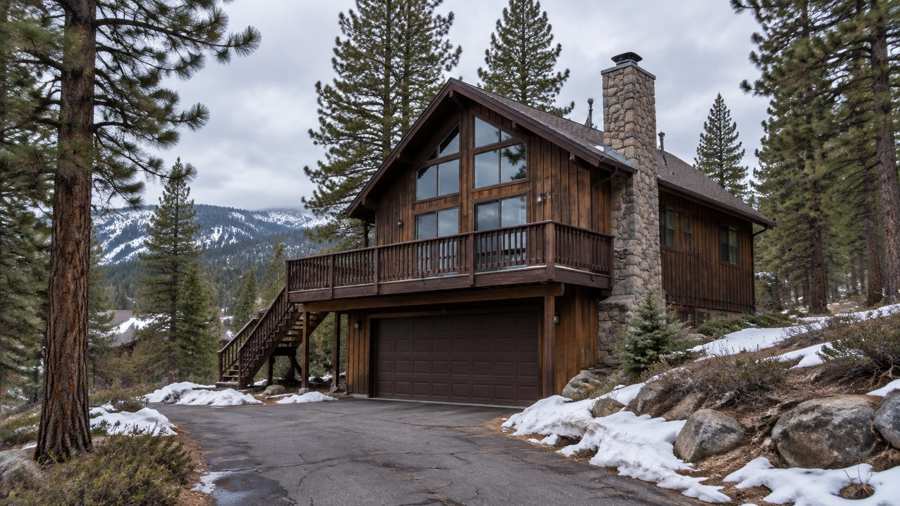
You have a reason to sell your Truckee house, but the next home may not be ready when the buyer wants to close. NAR's 2025 buyer-and-seller profile reports median seller ownership of eleven years. That national figure does not predict your sale date, but it helps explain why a move can involve accumulated belongings, routines and financial decisions rather than a simple handover of keys.
This guide separates the closing date from possession and your next-home plan. It compares later closing, agreed post-closing occupancy and temporary housing, then explains the evidence and written terms to request. It supplies no guaranteed Truckee sale timetable, available rental, legal occupancy arrangement or financing approval. Those must be checked for the actual transaction.
What a Coordinated Sale Means
A coordinated sale connects the property's closing, your delivery of possession and the next place you can actually occupy. These are separate milestones, even when you hope they happen together. Write them down and identify the conditions affecting each. A buyer's preferred date is a proposal, not proof that your next home, funds or moving arrangements will be ready.
NAR's contract-contingencies guide distinguishes conditions that must be met from other clauses stating rights and obligations. It describes home-sale and home-close contingencies as different tools: needing to sell a property is not the same as already having a sale under contract and needing it to close. Ask your advisers which description matches the facts rather than using contingent as a vague timing promise.
California DRE's escrow reference explains closing as an escrow process involving the instruments and disbursement under instructions. Do not assume a signed offer, a moving-truck reservation or a buyer's loan discussion means the transaction has closed. Confirm the relevant completion evidence with the escrow professional before making commitments that depend on sale proceeds.
Build a milestone list: Offer accepted, investigations completed, funding conditions resolved, sale closed, possession delivered and next home available. Record the dependency beside each. The list is a planning tool, not a substitute for the purchase agreement or escrow instructions, and the actual contract may require other steps that your professionals need to explain.
How the Timing Choices Work
Compare changing the closing date, negotiating occupancy after closing and moving into confirmed temporary housing as distinct choices. Each changes costs, control and risk differently. Obtain the buyer's agreement and professional advice before relying on an option. Do not treat staying in the house after the sale as an automatic right, or assume a temporary booking is available merely because similar rentals are advertised.
Zillow's buying-and-selling guide explains the tradeoff between buying first and selling first. Buying first can leave the household carrying two properties; selling first can leave a housing gap. Its practical discussion supports budgeting the actual overlap rather than trying to solve every uncertainty with one hoped-for same-day closing. This guide recommends no loan product or assumed credit approval.
NAR's contingencies guide describes a rent-back clause as something the seller may request if the buyer agrees, with compensation and a final move-out date carefully negotiated. A later closing keeps ownership for longer; post-closing occupancy does not. That distinction can matter for insurance, access and the parties' responsibilities, so have the arrangement reviewed rather than treating both as more time.
Example: If the next home is under contract but not yet ready to close, record the remaining conditions rather than saying the move is secured. Ask what happens if that date changes. A seller should compare the cost and feasibility of a backup before accepting a timetable that works only if every other transaction completes exactly as expected.
| Option | Cost inputs | Best fit | Limitation |
|---|---|---|---|
| Later sale closing | Continued property bills and agreed terms | Buyer and seller can accommodate a later date | Proceeds arrive later and conditions still matter |
| Agreed post-close occupancy | Written payment, fees, coverage and obligations | Buyer agrees to a reviewed possession arrangement | Seller no longer owns the house after closing |
| Confirmed temporary housing | Actual lodging, storage and move quotes | Owner wants to separate the transactions | Availability and cancellation terms need verification |
| Buy before selling | Actual financing and overlap costs | Owner has a supported financial plan | Qualification and carrying risk cannot be assumed |
Why a Backup Plan Matters
A backup plan protects the move from an assumption that every date will hold. Identify what could delay the sale or next purchase, then choose a response you can actually afford and use. Do not book a nonrefundable solution against unverified dates without understanding the risk. A fallback should name the housing, storage and cost boundaries rather than simply assume an extension will be granted.
NAR's roadblocks guide explains that preapproved buyers can still encounter financing problems before closing, and that appraisal or title issues may also interrupt a transaction. Those examples do not predict that your buyer will fail. They show why a seller should distinguish readiness evidence from a guarantee and ask which conditions remain unresolved.
The NAR profile reports that 26% of primary-residence buyers paid cash, specifically excluding investors and vacation-home buyers. Cash can remove a loan requirement without answering title, inspection or possession questions. Do not apply the national proportion to Truckee's second-home market or describe a cash buyer's proposed date as certain solely because funding is not mortgage-based.
Fallback question: If the next home is unavailable on the planned move-out date, what confirmed option exists? A relative's tentative invitation, a search-result rental and an unreviewed occupancy extension are not equally dependable. Label each commitment and cost honestly. If the affordable options do not cover the gap, revisit the sale terms before accepting them.
Write Possession Terms Before Closing
Agree on possession in writing before the sale closes, with a precise end date and clear responsibilities. Ask the professionals to select the appropriate current documents and explain the legal effect. Payment, deposits or fees, access, care of the house and a delayed departure need attention. An informal agreement to stay briefly is not a reliable substitute for reviewed terms.
San Diego's REALTOR association describes different California forms for shorter seller possession and longer occupancy after sale. Its guidance emphasizes the difference between a license and a lease, but also warns that the facts and conduct can affect legal classification. Do not use a duration alone to declare that tenant protections cannot apply. Have qualified counsel review the actual arrangement and current forms.
The association's article urges review of insurance and lawful handling of deposits or possession fees, and warns against skipping the paperwork because the stay is brief. Use that advice to ask specific questions. This guide supplies no standard rental amount, fee, legal classification or default penalty for a Truckee transaction.
Terms checklist: Who may occupy, which rooms or storage areas are included, who pays utilities, what coverage applies, how access is arranged and when the seller must leave. Also ask how damage or a failure to deliver possession is handled. Do not create your own remedy or assume escrow will hold funds without proper instructions and professional review.
Verify Temporary Housing Before Relying on It
Treat temporary housing as a separate arrangement with its own availability, price, duration and conditions. Verify the actual property and dates rather than using a generic nightly rate or a past stay. Account for pets, access, storage and moving logistics. If the plan uses a vacation rental, check the relevant jurisdiction and lawful operation; a sale of your house does not authorize another rental arrangement.
The Town of Truckee defines short-term rentals on its public program page as residential units rented for 30 nights or less and describes registration requirements and a cap. That is a program rule for its jurisdiction, not evidence that a particular home has current registration or is available. Truckee-area addresses can involve different jurisdictions, so confirm where the proposed stay is located.
Do not assume these short-term-rental rules determine the legal treatment of seller possession after closing. The occupancy arrangement and the local regulatory question require their own review. A casual plan to stay at a friend's rental or convert your sold home to a nightly booking may create issues that neither party has checked.
Booking comparison: Record the full cost, cancellation terms and date-change rules of a verified option before relying on it in the move budget. Keep a possible lodging search separate from a confirmed reservation. This guide has not checked any live Truckee housing availability and makes no promise that a suitable gap-filling stay can be found on your dates.
Make the Move Budget Date-Specific
Use actual bills, quotes and payoff information to compare timing plans. Include overlap, storage, additional moving work and any agreed occupancy cost, not just the sale price. Keep projected proceeds separate from funds available after closing. Update the estimate when dates change and have financing or tax questions reviewed. A flexible schedule can still carry costs that should be visible before you commit.
The CFPB explains that a mortgage payoff differs from a current balance because it includes interest through the intended payoff date and may include applicable fees or other charges. Get the relevant statement from the servicer. If the sale moves to a later date, do not reuse an expired assumption without asking what has changed.
NAR's listing-agreement guide says compensation is negotiable and not fixed by law. Use the actual agreement and settlement estimate in the comparison, along with any existing obligations. A direct buyer's claim of fewer seller costs does not eliminate mortgage payoff, tax questions or a contract the owner already signed.
Illustrative overlap: If actual temporary-housing and storage costs were $3,000 a month, a two-month gap would cost $6,000 before moving charges. These invented inputs demonstrate the arithmetic, not Truckee rental prices. Compare them with the quoted cost of an agreed occupancy arrangement and the continued bills under a later closing, using the same dates and assumptions.
| Budget item | Evidence | Timing question |
|---|---|---|
| Mortgage payoff | Date-specific servicer statement | What changes if closing moves? |
| Property carrying costs | Actual recurring bills | Until which date do you remain responsible? |
| Post-close occupancy | Reviewed written agreement | What payments and obligations continue? |
| Temporary housing | Verified quote and terms | Can dates change without added cost? |
| Storage and moving | Scoped provider quotes | Does the plan require a second move? |
Compare the Buyer Terms With Your Move Needs
Compare funding, contingencies, deposits, closing and possession together rather than ranking offers only by price. Identify which proposal works with your supported move plan and what would still need to happen. A written offer can be attractive and remain conditional. Review the cost of the conditions and any requested access before choosing, with the actual agreement controlling the parties' obligations.
NAR's multiple-offer guide recommends considering contingencies and timing alongside financial terms. A higher price with a difficult possession date may leave expenses a lower proposal does not. Conversely, extra occupancy time may carry obligations or risk that make it less useful than it first appears. Obtain a consistent written comparison instead of accepting an offer based on one favorable feature.
NAR's earnest-money guide explains that a deposit is held and released under the contract. Ask who holds it, when it is due and how receipt is confirmed. A promise to deposit money is not funding for the seller's move, and money in escrow is not automatically available for a moving reservation before the agreed release.
Dates to compare: The proposed close, delivery of possession, any occupancy expiration and the next home's supported availability. Ask your advisers to explain the consequences if a condition is not satisfied. Do not assume the ability to cancel, extend or keep a deposit without reading the actual terms; the favorable-sounding timing option may depend on obligations you have not yet reviewed.
Choose a Supported Sequence for the Move
Choose the sequence that fits your financial limits, housing evidence and reviewed terms. You may prioritize one move, certainty about possession or avoiding a long overlap, but no plan automatically achieves all of them. Record the choice and the fallback before signing. Revisit it when a real fact changes rather than waiting until an approaching date turns an unresolved assumption into an emergency.
NAR's preparation guide recommends gathering repair estimates and system records before sale decisions. Doing that early can reduce information gaps that complicate later negotiation, though it does not guarantee a faster closing. Complete the record without beginning optional work whose schedule conflicts with the move plan unless the purpose and scope are supported.
NAR's privacy-and-safety guide recommends securing valuables and sensitive documents during transaction visits. Keep those safeguards in place if you are packing while inspections or other appointments continue. A pile of financial records or visible moving calendar can expose information that an owner would not normally leave out.
Practical choice: If an affordable confirmed fallback exists, you may separate the transactions rather than require matching dates. If no workable gap option exists, negotiate the actual timing or reconsider commitment until the plan is supported. Review the Aqualane Shores preparation guide for a separate framework for scoping presentation and moving work; its staging evidence is not Truckee cost guidance.
Frequently Asked Questions
These questions separate closing, possession and the next-home plan. Each answer gives a starting point for reviewing the actual agreements and financial evidence. Ask the escrow, real estate, legal and insurance professionals to explain the property-specific requirements. A flexible date is useful only when the parties have agreed on the terms and the seller has a supported place to go when possession must be delivered.
Is the closing date also my move-out date?
Not necessarily; the actual purchase and possession terms determine the obligations. Have the professionals identify both milestones clearly before scheduling the move.
Can I stay after the buyer purchases the house?
Only under an agreed and properly reviewed arrangement. Payment, duration, access, insurance and the legal effect need attention before closing.
Does a short stay automatically avoid tenant rules?
Do not assume that duration alone resolves the legal classification. California association guidance warns that the facts and conduct can affect the result, so obtain qualified advice.
Will a cash buyer guarantee my preferred date?
No, cash funding does not settle title, inspection or other conditions. Compare the written agreement and remaining steps rather than relying on an advertised timetable.
Can I use a vacation rental as my backup?
Verify the actual availability, terms and lawful operation for the location and dates. A general listing or prior stay is not proof that suitable housing is confirmed.
Do Truckee rental rules apply to every nearby address?
Jurisdiction must be checked for the particular address. The Town program does not establish rules or registration for a property outside its coverage.
Can I pay moving costs from earnest money?
Do not assume escrowed funds are available for that purpose. NAR explains that the deposit is held and released under the purchase agreement.
What if the next purchase is delayed?
Use a verified fallback or negotiate changes through the professionals before the agreed possession deadline. Do not assume the buyer must grant an extension.
Should I pick the highest offer if it closes fastest?
Not without comparing proceeds, conditions and possession with your move needs. A price and timetable can leave costs or obligations that another proposal handles differently.
How Maison Off-Market Handles Timing Choices
Maison Off-Market describes a direct-purchase process with flexible proposed dates after reviewing the house and land. That gives a seller a timing option to compare with public-market proposals. Flexibility is not a blanket promise of post-closing occupancy or a guaranteed date. Ask for the actual closing and possession terms, then review them against the next-home plan and remaining transaction conditions.
The company's stated offer avoids public marketing and seller repair work, with no commissions or seller closing costs under its proposed terms. Ask which party buys, what conditions remain and how possession is handled. The process works with the owner's attorney or title company; those advisers should review the agreement and existing obligations rather than treating flexible as a complete occupancy arrangement.
Evidence to use: A written proposal, its timing terms and the actual preparation work it leaves with you. No verified Truckee case study, average closing-time saving or successful rent-back outcome is supplied here. A proposal can be useful without proving that every linked move will align. Keep comparing or change the sequence if the agreement does not fit your supported housing and budget limits.
Compare your options before committing. Request a written private offer for your property, with no obligation, then weigh it against your listing plan.
Sources
- NAR, Checked October 6, 2026. Real Estate Contract Contingencies. https://www.nar.realtor/the-facts/consumer-guide-real-estate-contract-contingencies.
- NAR, Checked October 6, 2026. Overcoming Roadblocks to a Sale or Purchase. https://www.nar.realtor/the-facts/consumer-guide-overcoming-roadblocks-to-a-sale-or-purchase.
- Zillow, Checked October 6, 2026. Buying and Selling at the Same Time. https://www.zillow.com/learn/buying-selling-at-the-same-time/.
- California Department of Real Estate, Checked October 6, 2026. Reference Book: Escrow. https://www.dre.ca.gov/files/pdf/refbook/ref08.pdf.
- San Diego Association of REALTORS, Checked October 6, 2026. Navigating Post-Closing Occupancy. https://www.sdar.com/news/navigating-post-closing-occupancy/.
- Town of Truckee, Checked October 6, 2026. Short Term Rental Program. https://www.townoftruckee.gov/355/Short-Term-Rentals-STR.
- National Association of REALTORS, Jessica Lautz, Checked October 6, 2026. Cash share, seller agent use and ownership tenure: primary-residence survey. https://www.nar.realtor/news/economists-outlook/top-10-takeaways-from-nars-2025-profile-of-home-buyers-and-sellers.
- NAR, Checked October 6, 2026. Consumer Guide: Escrow and Earnest Money. https://www.nar.realtor/the-facts/consumer-guide-escrow-and-earnest-money.
- Consumer Financial Protection Bureau, Checked October 6, 2026. Payoff amount differs from current balance. https://www.consumerfinance.gov/ask-cfpb/what-is-a-payoff-amount-and-is-it-the-same-as-my-current-balance-en-205/.
- National Association of REALTORS, Checked October 6, 2026. Consumer Guide: Preparing to Sell Your Home. https://www.nar.realtor/the-facts/consumer-guide-preparing-to-sell-your-home.
- National Association of REALTORS, Checked October 6, 2026. Consumer Guide: Navigating Multiple Offers. https://www.nar.realtor/the-facts/consumer-guide-navigating-multiple-offers.
- National Association of REALTORS, Checked October 6, 2026. Consumer Guide: Listing Agreements. https://www.nar.realtor/the-facts/consumer-guide-listing-agreements.
- National Association of REALTORS, Checked October 6, 2026. Consumer Guide: Home Selling Tips for Privacy and Safety. https://www.nar.realtor/the-facts/consumer-guide-home-selling-tips-for-privacy-and-safety.
Related research

Seller Guide · October 6, 2026
How to Prepare Point Pleasant Beach Rental Records Before Selling
Separate rental approval, income history and booked stays before comparing sale terms.

Seller Guide · October 6, 2026
How to Prepare Rumson Flood and Waterfront Records Before Selling
Separate flood disclosure, elevation, repairs and waterfront rights before comparing sale terms.

Seller Guide · October 6, 2026
How to Prepare Sarasota Condo Inspection and Reserve Records Before Selling
Separate building condition, reserve funding and resale documents before comparing sale terms.